Base recipe: 4
Your kitchen companion
Ingredients
Check off ingredients as you prepare them.
Follow the steps at your own pace.
Method
Melt half of the butter in a large pan over medium heat. Add the olive oil and finely chopped onion, sautéing until soft and translucent, about 3-4 minutes.
Stir in the rice, ensuring each grain is coated with butter and oil. Toast the rice for 2-3 minutes, stirring continuously until it turns slightly translucent around the edges.
Pour in the white wine, allowing it to evaporate while stirring. This step enhances the depth of flavor in the risotto.
Gradually add the warm broth, one ladle at a time, stirring constantly. Wait until the liquid is mostly absorbed before adding the next ladle. Continue this process for about 18-20 minutes, until the rice is creamy yet al dente.
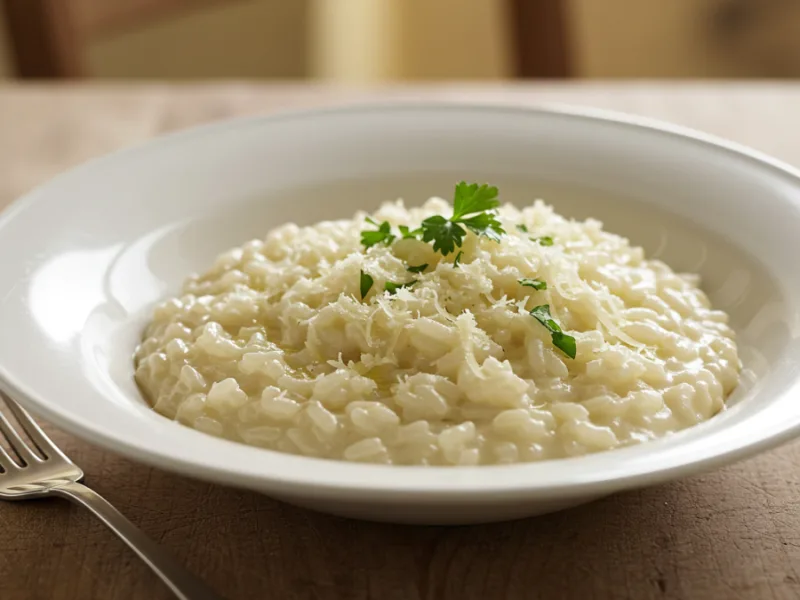
Remove the pan from the heat and stir in the remaining butter and Parmesan cheese, mixing well until the risotto achieves a rich, velvety texture. Season with salt and freshly ground black pepper to taste.
Let the risotto rest for 1-2 minutes before serving. Garnish with extra Parmesan cheese if desired.
Extra technique, safety notes and details when you want to go deeper.
More tips & details
Mastering the Art of Authentic Italian Risotto
The Essence of Traditional Italian Risotto
Italian risotto is a timeless dish that embodies the heart of Italian cuisine. This creamy, luxurious rice dish, originating from Northern Italy, is more than just a meal—it’s a culinary experience. Unlike ordinary rice dishes, risotto is slowly cooked to perfection, releasing the starches that create its signature velvety texture. Whether enjoyed as a comforting home-cooked meal or presented as a gourmet dish in fine dining restaurants, a well-made risotto showcases the perfect balance of flavors, textures, and aromas.
A Classic Dish with Deep Italian Roots
The history of risotto dates back centuries, particularly in regions like Lombardy, Veneto, and Piedmont, where Arborio, Carnaroli, and Vialone Nano rice thrive. These short-grain varieties are prized for their ability to absorb broth while maintaining a firm bite, making them ideal for achieving the perfect risotto texture. Traditionally, risotto is prepared using a simple yet refined cooking technique that has been passed down through generations, reflecting the deep connection between Italian food and culinary artistry.
The Key to Achieving the Perfect Creamy Texture
A well-executed risotto is neither dry nor soupy—it’s creamy yet structured, holding its shape while offering a silky mouthfeel. This signature texture is achieved through constant stirring and the gradual addition of warm broth, which allows the rice to slowly absorb the liquid and develop its naturally creamy consistency. Unlike dishes that rely on heavy cream, traditional risotto achieves its richness from the starch released by the rice itself.
The Importance of High-Quality Ingredients
The beauty of a traditional risotto lies in its simplicity. Every ingredient plays a crucial role in the final dish, from the choice of rice to the broth, butter, Parmesan cheese, and wine used in the cooking process. Selecting high-quality ingredients is essential for creating a deep, complex flavor that defines authentic Italian risotto. Homemade broth—whether vegetable, chicken, or beef—infuses the dish with layers of taste, while freshly grated Parmigiano-Reggiano adds the perfect umami richness.
Mastering the Risotto Cooking Technique
Unlike other rice dishes, where grains are boiled or steamed, risotto requires careful attention to detail. The process begins by toasting the rice in a pan with butter or olive oil, which enhances its nutty aroma while preventing it from becoming mushy. Next, a splash of white wine is added, deglazing the pan and infusing the rice with subtle acidity that balances the dish. The true magic happens as ladlefuls of hot broth are slowly incorporated, allowing the rice to absorb just enough liquid at a time. The result is a dish that is creamy, flavorful, and irresistibly smooth.
Elevating Risotto with Flavorful Variations
While the classic risotto is a masterpiece on its own, this versatile dish serves as the perfect canvas for a variety of flavors. Some of the most beloved Italian risotto variations include:
- Risotto alla Milanese – Infused with saffron, this iconic dish boasts a beautiful golden hue and a delicate, aromatic flavor.
- Mushroom Risotto – Featuring porcini mushrooms, this earthy and rich variation is a favorite among mushroom lovers.
- Seafood Risotto – Made with a medley of shrimp, mussels, and clams, this coastal-inspired dish delivers the taste of the Mediterranean.
- Risotto al Tartufo – Enhanced with truffle for a luxurious, fragrant twist on the traditional recipe.
- Risotto Primavera – A vibrant, vegetable-packed risotto that celebrates the freshness of seasonal ingredients.
The Perfect Pairing for Any Occasion
One of the reasons risotto remains a staple in Italian cooking is its ability to complement a wide range of dishes. Whether served as an elegant starter, a satisfying main course, or a side dish alongside grilled meats or seafood, risotto always impresses with its indulgent yet delicate flavors. Pairing risotto with a crisp white wine, such as Pinot Grigio or Chardonnay, further enhances the dining experience, creating a harmonious balance between acidity and creaminess.
The Reward of Cooking Risotto from Scratch
There’s something truly rewarding about preparing a traditional risotto from scratch. While it may require patience and attention, the end result is a comforting, restaurant-quality dish that brings a taste of Italy into your kitchen. With the right technique and carefully selected ingredients, anyone can master the art of making authentic Italian risotto at home. Whether cooking for family, friends, or a special occasion, a well-prepared risotto is sure to leave a lasting impression.
Enhancing the Classic Italian Risotto
Small Adjustments That Make a Big Difference
A well-made risotto is already a masterpiece, but even the most traditional recipes can be elevated with small adjustments. From choosing the best ingredients to refining cooking techniques, minor changes can enhance the flavor, texture, and nutritional value of the dish.
Choosing the Right Rice for a Perfectly Creamy Texture
The choice of rice plays a crucial role in the final texture of the risotto. While Arborio is the most common variety, upgrading to Carnaroli or Vialone Nano can significantly improve the dish. These varieties contain more starch, resulting in a creamier consistency while maintaining a firmer bite. Carnaroli is particularly resistant to overcooking, making it ideal for beginners.
Using Homemade Broth for Deeper Flavor
The quality of the broth greatly influences the taste of risotto. While store-bought broths are convenient, homemade broth brings a richer depth of flavor and allows for complete control over sodium levels and seasoning. A slow-simmered vegetable, chicken, or beef broth infused with aromatic herbs such as thyme, rosemary, and bay leaves enhances the overall complexity of the dish.
The Secret Ingredient: Infusing Risotto with More Flavor
One way to enhance risotto is by infusing additional aromatic ingredients:
- Saffron: Used in Risotto alla Milanese, saffron imparts a subtle floral aroma and a golden color, adding an element of luxury.
- Porcini Mushrooms: A handful of dried porcini mushrooms, rehydrated and finely chopped, introduces an earthy richness that pairs well with creamy risotto.
- Garlic and Shallots: While traditional risotto relies on onions, using shallots or roasted garlic instead provides a more refined and complex taste.
- Aged Parmesan or Pecorino Romano: Instead of standard Parmesan, using an aged variety or a sharper Pecorino Romano adds a more pronounced umami depth.
Balancing Acidity with the Right Wine
The choice of wine used to deglaze the pan has a notable impact on the overall balance of risotto. While most recipes suggest a dry white wine, selecting one with higher acidity, such as Sauvignon Blanc or Pinot Grigio, helps enhance the dish's brightness. For a richer variation, a splash of dry vermouth or even a light red wine can introduce deeper flavors, especially in mushroom or truffle risottos.
Avoiding Common Mistakes in Risotto Preparation
Even seasoned cooks can make errors that affect the final result. Here are some common mistakes to avoid:
- Adding all the broth at once: The key to a creamy risotto is adding the broth gradually, allowing the rice to absorb the liquid slowly.
- Not stirring enough: Stirring releases the starch, creating the velvety texture risotto is known for. However, over-stirring can break the grains and make the dish too thick.
- Cooking over high heat: A gentle simmer is essential for proper absorption of flavors. High heat can cause uneven cooking and a grainy texture.
- Skipping the resting phase: Letting the risotto rest for one to two minutes before serving allows the flavors to fully meld and results in a smoother consistency.
Making Risotto Healthier Without Losing Flavor
Traditional risotto is indulgent, but there are ways to make it healthier without sacrificing taste or texture:
- Substituting Butter with Olive Oil: Using extra virgin olive oil instead of butter reduces saturated fat while maintaining a rich mouthfeel.
- Using Nutritional Yeast Instead of Parmesan: For a dairy-free option, nutritional yeast provides a similar umami flavor without the cholesterol.
- Increasing Fiber with Whole-Grain Alternatives: While not traditional, using brown rice, farro, or barley instead of white rice boosts fiber content and adds a nutty flavor.
- Reducing Sodium with Low-Sodium Broth: Store-bought broths can be high in sodium, so making a homemade, low-sodium version or using herbs and spices for seasoning is a healthier alternative.
Elevating Risotto with Unique Ingredients
For those looking to push the boundaries of traditional risotto, experimenting with additional ingredients can lead to new and exciting variations:
- Black Truffle Shavings: Fresh black truffles or truffle oil add an intense, earthy aroma that transforms risotto into a gourmet dish.
- Roasted Butternut Squash: Adding pureed or cubed butternut squash introduces a natural sweetness and velvety texture.
- Crispy Pancetta or Prosciutto: A sprinkle of crispy pancetta or prosciutto on top provides a contrast in texture and a salty depth.
- Lemon Zest and Herbs: A touch of lemon zest and fresh herbs like thyme or parsley brightens the dish and balances the richness.
Why Homemade Risotto is Better Than Restaurant Versions
While restaurant risottos can be delicious, preparing this dish at home has several advantages:
- Better Ingredient Control: Choosing high-quality, organic, and fresh ingredients ensures a superior taste and texture.
- Healthier Adjustments: Home-cooked risotto can be tailored to dietary preferences by adjusting fat, sodium, and cheese levels.
- Customization for Personal Preferences: Adjusting seasoning, thickness, and flavors allows for a more personalized dish.
- Fresher and More Authentic Taste: Unlike pre-cooked risotto often served in restaurants, homemade risotto is always fresh and at its peak texture.
Perfecting Risotto for Any Occasion
Whether served as a weeknight comfort food or as an elegant dinner party dish, mastering risotto opens the door to endless possibilities. By refining techniques, selecting the best ingredients, and avoiding common mistakes, anyone can transform this classic Italian dish into an extraordinary culinary experience.
Recivelle · /recipe/traditional-italian-risotto-recipe