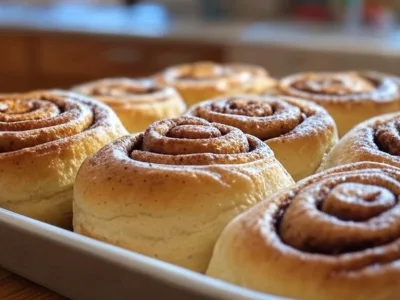
Base recipe: 12 cinnamon rolls
Your kitchen companion
Ingredients
Check off ingredients as you prepare them.
Follow the steps at your own pace.
Method
1. Prepare the Dough
In a bowl, combine warm milk, yeast, and 1 tsp of sugar. Let it sit for 5–10 minutes until it becomes foamy.
In a large mixing bowl, whisk together melted butter, eggs, vanilla extract, and remaining sugar.
Gradually add the yeast mixture to the wet ingredients and mix.
Slowly incorporate the gluten-free flour and salt, stirring until a sticky dough forms. If using a stand mixer, mix on low speed until well combined.
Cover the bowl with plastic wrap and let the dough rest for 10 minutes. This helps hydrate the gluten-free flour.
2. Roll Out the Dough
Lightly flour a clean surface and roll out the dough into a rectangle (about 30x40 cm / 12x16 inches).
3. Prepare the Filling
In a small bowl, mix softened butter, brown sugar, and cinnamon until smooth.
Spread the filling evenly over the rolled-out dough, leaving a 1 cm (½ inch) border on the edges.
4. Roll and Slice the Dough
Roll the dough tightly from the long side, creating a log shape.
Using a sharp knife or unflavored dental floss, cut 12 equal pieces and place them in a greased baking dish (20x30 cm / 9x13 inches).
5. Let the Rolls Rise
Cover the dish with a clean kitchen towel and let the rolls rise for 45–60 minutes in a warm place until doubled in size.
6. Bake the Cinnamon Rolls
Preheat the oven to 180°C (350°F).
Bake the cinnamon rolls for 22–25 minutes, or until golden brown on top.
Let them cool for 10 minutes before glazing.
7. Prepare the Glaze and Serve
In a bowl, whisk together powdered sugar, milk, and vanilla extract until smooth.
Drizzle over the warm cinnamon rolls and serve.
Extra technique, safety notes and details when you want to go deeper.
More tips & details
Soft Gluten-Free Cinnamon Rolls – The Ultimate Recipe for a Sweet Delight
There's nothing quite as comforting as the warm aroma of cinnamon filling your kitchen while baking a batch of soft, fluffy cinnamon rolls. If you've been searching for the perfect gluten-free cinnamon rolls, look no further! This recipe delivers pillowy soft dough, a deliciously gooey cinnamon-sugar filling, and a sweet, creamy glaze that melts into every bite.
These gluten-free cinnamon rolls taste just like traditional ones—light, airy, and packed with cinnamon-spiced goodness. Whether you're preparing them for a cozy breakfast, a special brunch, or a sweet treat to share, they will impress everyone, even those who aren’t on a gluten-free diet!
Why You’ll Love These Gluten-Free Cinnamon Rolls
The texture is soft and fluffy, without being dry or crumbly. Unlike many gluten-free baked goods, these rolls stay moist and tender for hours after baking.
The filling is perfectly spiced, made with a rich blend of cinnamon and brown sugar that caramelizes as the rolls bake, creating an irresistible, gooey center.
This recipe can be made ahead of time, so you can enjoy fresh cinnamon rolls in the morning without spending hours in the kitchen.
A dairy-free option is available, making this recipe accessible for those with additional dietary restrictions without compromising on taste or texture.
A smooth, sweet vanilla glaze melts into the warm rolls, adding the perfect finishing touch without being overpowering.
The Secret to Soft Gluten-Free Cinnamon Rolls
The key to achieving a soft, fluffy texture without gluten is the perfect balance of gluten-free flour and moisture. Many gluten-free doughs tend to be dry and dense, but with the right techniques, these cinnamon rolls turn out as light and airy as traditional ones.
A well-balanced gluten-free flour mix ensures the dough is neither too sticky nor too dry. Using a blend with starch and protein helps mimic the elasticity of traditional wheat-based dough.
The yeast activation is essential for a good rise. Mixing yeast with warm milk and a touch of sugar allows it to bloom properly, leading to a beautifully soft texture in the final rolls.
Rolling and shaping the dough gently prevents it from becoming too dense while keeping the structure intact. Handling the dough with care results in a perfect, fluffy bite.
Letting the dough rest and rise before baking improves both the flavor and texture, making the cinnamon rolls light and airy rather than heavy and dense.
What Makes These Gluten-Free Cinnamon Rolls So Delicious?
These gluten-free cinnamon rolls capture the classic flavors of traditional rolls while being completely safe for those with gluten sensitivities.
The dough is soft, tender, and slightly chewy, made with the perfect combination of gluten-free flour and yeast to create an authentic texture.
The filling is a rich mixture of cinnamon, brown sugar, and butter, ensuring that every bite is bursting with warm, sweet-spiced flavor.
The glaze is a smooth, creamy vanilla topping that seeps into the rolls, enhancing their natural sweetness without making them overly sugary.
Whether you enjoy them freshly baked, slightly warmed, or even the next day, these cinnamon rolls remain moist, tender, and absolutely irresistible.
The Best Way to Enjoy These Cinnamon Rolls
Freshly baked gluten-free cinnamon rolls are best enjoyed warm, paired with a cup of coffee, tea, or hot chocolate. The combination of sweet cinnamon filling and creamy glaze makes them an indulgent treat at any time of the day.
For extra flavor, add chopped nuts, raisins, or even a sprinkle of nutmeg to the filling. These small additions can create new layers of texture and taste.
If you're planning ahead, these cinnamon rolls can be made in advance and frozen, so you can always have a homemade treat ready to go. Simply reheat and enjoy whenever you’re craving something sweet.
Try This Gluten-Free Cinnamon Roll Recipe Today!
There’s no need to miss out on the sweet, soft, cinnamon-spiced goodness just because you're avoiding gluten. This recipe guarantees bakery-style gluten-free cinnamon rolls that taste just like the real thing.
Now is the perfect time to gather your ingredients, preheat your oven, and bake a batch of warm, homemade cinnamon rolls that will leave everyone asking for more.
How to Perfect Soft Gluten-Free Cinnamon Rolls
Baking gluten-free cinnamon rolls can be challenging, but with the right techniques, ingredient choices, and modifications, you can achieve a soft, fluffy texture and irresistible flavor. Understanding how different ingredients impact the final result allows you to customize the recipe to fit your preferences while maintaining the perfect balance of sweetness, moisture, and structure.
Choosing the right gluten-free flour blend
One of the most crucial factors in making soft and fluffy gluten-free cinnamon rolls is the flour blend. Unlike wheat flour, gluten-free flour lacks the elasticity and structure needed for a light, airy texture.
- A balanced gluten-free flour mix that includes rice flour, tapioca starch, and potato starch creates a soft, pliable dough.
- Avoid using only a single type of gluten-free flour (such as almond flour or coconut flour) as it can result in dry, crumbly, or dense rolls.
- If your flour blend does not contain xanthan gum or guar gum, add ½ teaspoon per 100 g of flour to improve elasticity and structure.
How it affects the recipe: Using a high-starch blend results in a lighter texture, while a blend with more protein (such as sorghum or oat flour) makes the rolls chewier and more filling.
How yeast and rising time impact texture
Yeast is responsible for creating the air pockets that make cinnamon rolls light and fluffy. However, gluten-free dough behaves differently from wheat-based dough when it comes to rising.
- Warm milk (about 40°C / 105°F) activates the yeast faster, helping the dough rise efficiently.
- Adding a teaspoon of sugar to the yeast mixture boosts fermentation, leading to better volume and softer texture.
- Letting the dough rest for at least 10 minutes before rolling hydrates the flour and improves elasticity.
- Over-rising (letting the dough rise for too long) can cause the dough to collapse and result in flat cinnamon rolls.
How it affects the recipe: A longer rising time enhances flavor development, while a shorter rising time produces denser rolls.
Adjusting the sweetness and cinnamon flavor
The perfect balance of cinnamon and sugar is key to achieving rich, flavorful cinnamon rolls.
- Brown sugar vs. white sugar:
- Brown sugar contains molasses, which adds moisture and a deeper caramelized flavor to the filling.
- White sugar results in a lighter, crispier texture with a less intense sweetness.
- Adjusting cinnamon levels:
- Using 1 tablespoon of cinnamon provides a classic, warm spice flavor.
- For a stronger cinnamon flavor, increase the amount to 1½ tablespoons.
- A pinch of nutmeg or cardamom enhances the depth of spice without overpowering the cinnamon.
How it affects the recipe: More cinnamon and brown sugar creates a richer, gooier filling, while less sugar results in a lighter, less sticky roll.
Butter vs. dairy-free alternatives
The type of fat used in the dough and filling significantly impacts the texture and taste of the cinnamon rolls.
- Butter: Provides a rich, creamy flavor and helps create a soft, tender texture.
- Coconut oil: Works as a dairy-free alternative, adding a light coconut aroma while keeping the rolls soft.
- Margarine or plant-based butter: Creates a similar texture to butter but may lack depth in flavor.
How it affects the recipe: Using butter enhances the classic bakery-style richness, while coconut oil results in slightly firmer rolls with a subtle tropical note.
Making the dough more elastic and easy to work with
Gluten-free dough can often be sticky and difficult to roll out, but a few adjustments can make it more manageable.
- Resting the dough after mixing allows the flour to absorb moisture, making it easier to shape.
- Rolling the dough between two sheets of parchment paper prevents it from sticking to the surface.
- Adding an extra tablespoon of flour can help if the dough is too soft, but adding too much will make it dry.
How it affects the recipe: A properly hydrated dough spreads evenly and holds its shape, while a too-dry dough can lead to cracking and crumbly rolls.
Substituting eggs for an egg-free version
Eggs provide structure, moisture, and richness, but they can be replaced if needed.
- Applesauce (60 g / ¼ cup per egg) adds natural sweetness and moisture, making the rolls softer.
- Mashed banana (60 g / ¼ cup per egg) creates a denser texture and adds a mild banana flavor.
- Flaxseed or chia seed gel (1 tbsp seeds + 3 tbsp water per egg) works as a binding agent, though the rolls may be slightly heavier.
How it affects the recipe: Using applesauce results in softer rolls, while flaxseed or chia seed replacements create a denser, slightly nuttier roll.
Controlling moisture for the perfect glaze
A good glaze should be smooth, creamy, and slightly runny to soak into the warm cinnamon rolls.
- Powdered sugar + milk creates a classic thin glaze that slightly hardens as it cools.
- Adding more milk makes the glaze lighter and more fluid.
- For a thicker glaze, reduce the milk or add cream cheese for a richer, tangier flavor.
How it affects the recipe: A thin glaze absorbs into the rolls, making them extra moist, while a thicker glaze stays on top, adding a sweet, creamy bite.
Best way to store and reheat cinnamon rolls
To keep gluten-free cinnamon rolls soft and fresh, proper storage is essential.
- At room temperature: Store in an airtight container for up to 2 days.
- In the refrigerator: Keeps fresh for up to 5 days but may slightly dry out.
- In the freezer: Freeze unfrosted rolls for up to 3 months and reheat before serving.
To reheat:
- Microwave (15–20 seconds) for a quick warm-up.
- Oven (160°C / 325°F for 5–7 minutes) for a freshly baked feel.
How it affects the recipe: Proper storage and reheating preserve the moisture, while improper storage can lead to dry, hard rolls.
Understanding how each ingredient and technique influences the final result allows you to adjust the recipe to your taste while maintaining a soft, fluffy texture.
By making small modifications—whether increasing cinnamon, using a different fat, or adjusting the moisture levels—you can create the perfect gluten-free cinnamon rolls every time.
Recivelle · /recipe/soft-gluten-free-cinnamon-rolls