Base recipe: 4 portions
Your kitchen companion
Ingredients
Check off ingredients as you prepare them.
Follow the steps at your own pace.
Method
In a medium saucepan, combine the milk, sugar, butter, and salt. Stir well to dissolve the sugar and place the pan over medium heat.
When the milk is warm but not boiling, stir in the rice. Reduce the heat to low and let the mixture simmer gently.
Cook uncovered for 30–35 minutes, stirring often. The rice should soften and release its starch, thickening the mixture into a rich, creamy pudding.
Continue stirring regularly to prevent the rice from sticking to the bottom of the pan and to promote even cooking.
Once the rice is tender and the texture has thickened to your liking, remove the saucepan from the heat and stir in the vanilla extract.
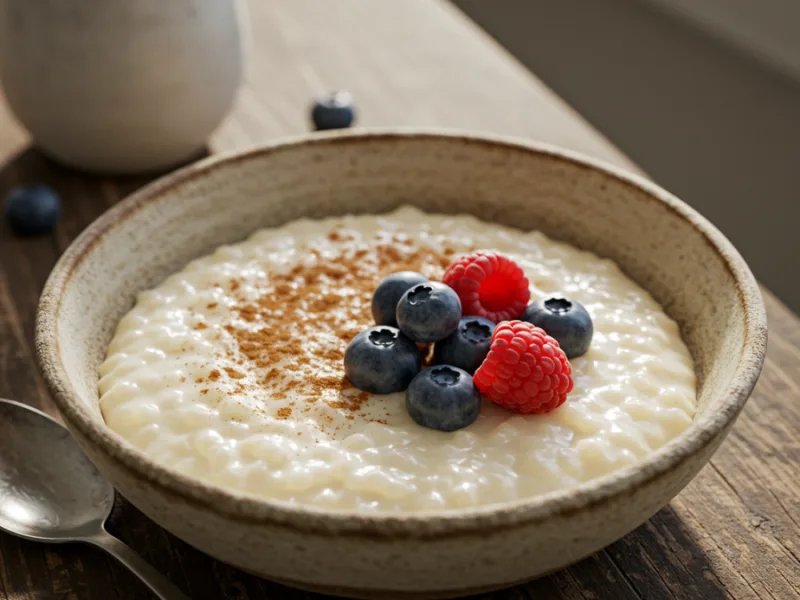
Let the pudding rest for 5–10 minutes before serving. It can be enjoyed warm or cold. Garnish with a pinch of cinnamon or a few fresh berries if desired.
Extra technique, safety notes and details when you want to go deeper.
More tips & details
Creamy Homemade Rice Pudding with Minimal Ingredients
A nostalgic dessert made with pantry staples
There’s something incredibly comforting and timeless about a bowl of homemade rice pudding. With just a few humble ingredients, this dessert transforms into a rich and creamy indulgence that warms both the body and the soul. Whether enjoyed warm with a sprinkle of cinnamon or chilled on a hot day, this simple rice pudding recipe brings generations together around the table with its silky texture and delicate sweetness.
Why rice pudding remains a beloved classic
Rice pudding has earned its place in global cuisine thanks to its versatility, simplicity, and deep-rooted tradition. From European kitchens to Middle Eastern homes, variations of this dessert appear across continents, but the essence remains the same: cooked rice gently simmered in milk until soft, thick, and irresistible. This version celebrates the beauty of restraint — minimal ingredients, no unnecessary add-ins, just pure comfort.
What makes this recipe stand out is the perfect balance between creaminess and lightness. It’s not overly sweet, and its subtle vanilla aroma brings just the right touch of elegance. It’s the kind of dessert that doesn’t need a special occasion — it is the occasion.
The perfect texture every time
Achieving the ideal rice pudding texture can seem like a fine art, but with the right technique, it becomes second nature. The slow simmering process gently coaxes the starch from the rice, blending with the milk to create a naturally creamy base — no need for cream or thickeners. Stirring at intervals ensures even cooking and a luscious consistency that never feels too heavy.
Short-grain white rice, such as arborio or pudding rice, works best for this recipe due to its high starch content, which adds body and silkiness. The milk — whether whole dairy milk or a plant-based alternative — becomes infused with the rice and vanilla, creating a warm, subtly aromatic flavor that lingers on the palate.
Simple, satisfying, and customizable
What’s truly remarkable about rice pudding is how adaptable it is. You can enjoy it as-is for its clean, classic taste, or personalize it with toppings like fresh berries, stewed fruit, caramel drizzle, or toasted nuts for added texture and flavor. A touch of lemon or orange zest can brighten it, while a pinch of nutmeg or cardamom offers a warming twist.
It also holds its own as a make-ahead dessert. Once cooled, it thickens slightly and develops a richer flavor — making it ideal for meal prep, casual entertaining, or quiet evening treats. Serve it in individual ramekins or elegant glass cups for a rustic yet refined presentation.
Made with ingredients you already have
One of the strongest appeals of this recipe is that it’s made from pantry and fridge staples: rice, milk, sugar, vanilla, and salt. That means no last-minute shopping trips or expensive ingredients — just everyday elements used to create something truly special.
With no eggs in this particular version, it’s also more accessible for various dietary preferences, while still offering the creaminess that makes rice pudding so satisfying. And because it’s naturally gluten-free, it fits well into a variety of meal plans.
A dessert for all seasons
Whether served warm in winter or cold in summer, rice pudding adapts effortlessly to the seasons. Its mild, soothing flavor profile pairs beautifully with seasonal fruits or spiced toppings, making it a canvas for creativity throughout the year.
Imagine a winter bowl topped with poached pears and cinnamon, or a summer version with mango slices and a hint of lime. Its soft, spoonable texture makes it a hit with all age groups — from toddlers discovering new textures to grandparents reminiscing about cherished recipes from their past.
The emotional connection to homemade comfort
Beyond its ingredients and preparation, rice pudding is often tied to memories of home, family traditions, and quiet moments of indulgence. It's the kind of dessert that tells a story — of mothers stirring pots on the stove, of warm bowls handed out after dinner, of the soft sound of bubbling milk.
It’s these associations that elevate this simple dish to something meaningful. A spoonful carries not just flavor, but emotion, warmth, and a connection to culinary heritage that’s hard to replicate.
Whether you’re preparing it for guests, family, or just yourself, this creamy rice pudding invites you to slow down and savor. It doesn’t demand much — just a bit of patience and care — and in return, it offers comfort, nourishment, and a moment of peace.
In an age of complex desserts and elaborate presentations, the simple rice pudding reminds us that less can truly be more.
Creative Ways to Enhance a Classic Rice Pudding
Small changes that make a big difference
While traditional rice pudding is loved for its simplicity and comfort, there’s plenty of room to experiment and elevate this humble dessert into something truly special. The base recipe provides a creamy, vanilla-infused foundation, but with a few thoughtful adjustments, you can enhance its flavor, texture, and nutritional profile without losing the character that makes it so beloved.
Understanding the role of each ingredient allows you to fine-tune the final result, whether you're aiming for a richer texture, a healthier alternative, or a new twist on an old favorite. In this guide, we explore practical and creative ways to improve traditional rice pudding and help you make it your own.
Using different types of milk
One of the easiest ways to adjust the flavor and texture of rice pudding is by changing the type of milk used.
Whole milk delivers a rich, creamy result, but you can create interesting variations with other options:
- Coconut milk: Adds a slightly sweet, nutty flavor and a silky texture. Perfect for tropical versions or dairy-free diets.
- Evaporated milk: Intensifies the creaminess and gives a more decadent result.
- Almond or oat milk: Provide a lighter version with a subtly nutty note. Best when combined with a thickener like a cornstarch slurry for optimal texture.
- Milk and cream mix: A 50/50 combination of milk and heavy cream produces a luxurious consistency that's closer to a dessert custard.
Choosing the right milk depends on your dietary needs and flavor preferences, but each option brings a new dimension to the recipe.
Changing the grain for a new texture
Though short-grain white rice is standard for traditional rice pudding, experimenting with different grains can enhance texture and nutrition:
- Arborio rice: Its high starch content makes it ideal for a richer, risotto-like pudding.
- Basmati rice: Creates a lighter version with a distinct aroma and looser consistency.
- Brown rice: Adds a nutty flavor and increases fiber, though it requires longer cooking and additional liquid.
- Quinoa: For a protein-rich alternative with a unique texture and mild flavor.
Substituting the grain affects not only the consistency but also the nutritional value, making it easier to tailor the dish to your health goals.
Flavor enhancements for depth and aroma
Vanilla is the cornerstone of classic rice pudding, but other flavor additions can elevate the dish significantly:
- Citrus zest (lemon or orange): Adds brightness and balances the sweetness.
- Cardamom or nutmeg: Introduces warm, complex aromas that pair beautifully with the creamy base.
- Rose water or orange blossom water: Just a few drops can bring a floral elegance inspired by Middle Eastern cuisine.
- Cocoa powder or chocolate chips: Turns the pudding into a rich, indulgent dessert.
- Espresso or strong brewed coffee: Infuses the dish with bold, bitter undertones for a more adult version.
Start with small amounts and adjust to taste — these additions should complement the base, not overpower it.
Natural sweetener swaps
Traditional recipes rely on granulated sugar, but natural sweeteners can provide a healthier alternative without sacrificing taste:
- Maple syrup: Adds depth with its earthy sweetness and pairs well with cinnamon or pecans.
- Honey: Offers floral notes and a smooth sweetness. Best added after cooking to preserve nutrients.
- Coconut sugar: Lends a rich, caramel-like flavor and has a lower glycemic index.
- Stevia or erythritol: Suitable for sugar-free versions, though they may affect texture slightly.
Adjust quantities to maintain balance and ensure the pudding doesn’t become overly sweet or lose its creamy consistency.
Common mistakes to avoid
Despite its simplicity, rice pudding can be tricky to get just right. Here are some pitfalls to watch out for:
- Cooking at high heat: This can cause the milk to scorch or the rice to cook unevenly. Gentle simmering is key.
- Not stirring enough: Rice will sink and stick to the bottom without regular stirring, leading to lumps or burnt bits.
- Undercooking the rice: The pudding should be soft and creamy, not gritty. Give it enough time on low heat.
- Over-sweetening early on: Adding too much sugar upfront can affect the rice’s absorption. Add a portion at the end for better control.
- Skipping resting time: A brief rest after cooking allows the pudding to thicken naturally and flavors to meld.
Being patient and attentive during cooking makes all the difference between an average and an exceptional result.
Healthier alternatives that still satisfy
Rice pudding can be easily adapted for more health-conscious versions:
- Use plant-based milk and unsweetened sweeteners for a lighter, dairy-free version.
- Add chia seeds or flaxseeds for fiber and omega-3s.
- Incorporate fruit purée like mashed banana or applesauce as a sweetener and thickener.
- Replace butter with coconut oil or skip it entirely for reduced fat content.
- Include spices like turmeric or ginger for added health benefits and a unique flavor profile.
These small changes can help support a balanced diet without taking away the joy of a comforting dessert.
Why homemade always wins
Making rice pudding from scratch offers a level of control that store-bought versions can’t match. You decide the sweetness, texture, and flavor intensity. It’s also free from preservatives, artificial flavors, and excessive sugar often found in commercial products.
Homemade pudding can be customized to your mood or season — lighter with lemon zest in spring, heartier with chocolate in winter. It’s also more cost-effective, using ingredients most people already have in their kitchens.
Beyond practical benefits, there's something deeply satisfying in preparing this dish by hand, allowing you to connect with tradition while expressing creativity in every variation.
Final tips for elevating your rice pudding
- Serve it layered in parfait glasses with fruit compote or crushed cookies for a restaurant-style presentation.
- Add a crunchy topping like toasted coconut or roasted nuts for contrast.
- For a brûlée twist, sprinkle sugar on top and caramelize with a torch.
- Create a savory version with vegetable broth and herbs as a unique appetizer or side dish.
Whether you're aiming to make it more luxurious, healthier, or simply different, rice pudding is the perfect canvas for exploration. With these thoughtful modifications, every bowl becomes a new experience — familiar yet exciting, simple yet elevated.
Recivelle · /recipe/simple-rice-pudding-recipe