Base recipe: This recipe makes 4 servings.
Your kitchen companion
Ingredients
Check off ingredients as you prepare them.
Follow the steps at your own pace.
Method
1. Preheat the Oven
Preheat your oven to 200°C (392°F). Place the oven rack in the center.
2. Prepare the Turkey Thighs
Pat the turkey thighs dry with a paper towel to remove excess moisture. This step ensures crispy skin. Place them in a baking dish or roasting pan.
3. Season the Turkey
In a small bowl, mix olive oil, minced garlic, salt, black pepper, smoked paprika, dried thyme, and dried rosemary. Rub the mixture evenly over the turkey thighs, ensuring both sides are coated.
4. Add Broth to the Pan
Pour the chicken broth into the baking dish. This will keep the turkey moist during roasting and create a flavorful base for gravy if desired.
5. Roast the Turkey
Place the baking dish in the preheated oven. Roast for 1 hour 15 minutes, basting the thighs with melted butter every 20 minutes. This enhances flavor and ensures a golden, crispy skin.
6. Check for Doneness
Use a meat thermometer to check the internal temperature of the turkey thighs. They should reach 74°C (165°F) at the thickest part. If not, roast for an additional 5–10 minutes and recheck.
7. Rest the Meat
Remove the turkey thighs from the oven and let them rest for 10 minutes before serving. This allows the juices to redistribute, ensuring tender meat.
8. Serve
Slice the turkey thighs and serve with your choice of sides, such as roasted vegetables, mashed potatoes, or a fresh salad.
Extra technique, safety notes and details when you want to go deeper.
More tips & details
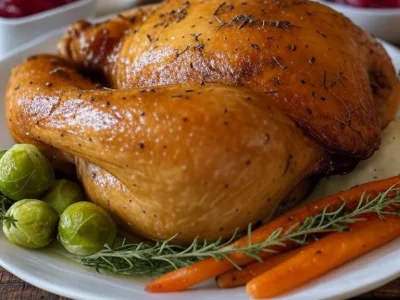
If you're searching for a recipe that delivers a delicious, succulent, and beautifully golden roasted turkey thigh, you've come to the right place. Whether you're preparing a festive holiday meal or a cozy dinner for two, this recipe guarantees mouthwatering results with minimal effort. The juicy turkey meat, paired with crispy, golden skin, makes this dish a true standout. Let’s dive into what makes this recipe a must-try!
Why You’ll Love This Roasted Turkey Thigh Recipe
- Bursting with Flavor: Each bite is infused with the perfect combination of herbs and spices, creating a balance of savory and aromatic notes.
- Easy to Prepare: Whether you're an experienced chef or a beginner in the kitchen, this recipe is straightforward and easy to follow.
- Versatile and Customizable: Perfect as a centerpiece for a holiday feast or a hearty weeknight meal, this recipe can be tailored to suit your taste preferences.
- Economical: Turkey thighs are a cost-effective alternative to a whole turkey, offering all the flavor without the extra expense.
- Impressive Presentation: The beautifully roasted turkey thigh, with its golden skin and juicy meat, is sure to impress your family and guests.
The Secret to Perfectly Roasted Turkey Thighs
Achieving the perfect roasted turkey thigh is all about balancing technique and ingredients. The key lies in seasoning the meat generously and roasting it at just the right temperature to ensure the skin becomes crispy while the meat stays tender and juicy. This recipe incorporates fresh herbs, aromatic garlic, and a touch of butter or olive oil, creating a flavor-packed dish that feels both comforting and sophisticated.
What Makes This Recipe Stand Out?
- Crispy, Golden Skin
The turkey thigh is roasted to perfection, resulting in crispy, flavorful skin that adds an irresistible texture to every bite.
- Tender, Juicy Meat
The slow roasting method ensures the meat stays moist and tender, locking in all the natural flavors of the turkey.
- Simple Ingredients, Bold Flavors
With a handful of pantry staples like salt, pepper, garlic, and fresh rosemary, this recipe proves that simplicity can be truly delicious.
- Customizable Marinades
Add your twist by incorporating your favorite spices or swapping rosemary for thyme, sage, or even a hint of paprika.
How to Serve Roasted Turkey Thighs
This dish pairs wonderfully with a variety of sides. Consider serving it with:
- Creamy mashed potatoes or buttery roasted vegetables for a classic pairing.
- Fresh green salad with a light vinaigrette to balance the richness of the turkey.
- Savory stuffing or wild rice pilaf for a festive touch.
Complete the meal with your favorite sauces, such as cranberry sauce or a drizzle of rich gravy, to elevate the flavors even further.
Why This Recipe Deserves a Spot on Your Table
When it comes to crafting memorable meals, this roasted turkey thigh recipe is a clear winner. It offers the perfect balance of elegance, flavor, and practicality, making it a go-to option for both special occasions and casual family dinners. With its golden exterior and tender interior, it’s a dish that embodies comfort and sophistication in every bite.
Don’t Wait to Try It Yourself
Prepare this roasted turkey thigh recipe today and experience the ultimate combination of flavor and texture. Your family and friends will be raving about this dish for days. So, gather your ingredients, preheat your oven, and treat yourself to an unforgettable culinary experience.
Ready to Cook?
Follow the step-by-step instructions, roast to perfection, and enjoy every bite of this incredible turkey dish. It's time to bring warmth and joy to your table with this flavorful recipe!
Tips and Tricks to Perfect Your Roasted Turkey Thigh Recipe
Creating a delicious and memorable roasted turkey thigh recipe is all about balancing flavors, mastering techniques, and sometimes experimenting with variations. Below, you'll find detailed tips to elevate your cooking experience, as well as how ingredient changes can influence the overall flavor and texture of the dish.
How Ingredient Substitutions Can Transform Flavor and Texture
Replacing Olive Oil with Other Fats
Using butter instead of olive oil can enhance the richness of the turkey thighs, giving them a slightly creamier and more indulgent flavor. Alternatively, you could opt for coconut oil for a subtle sweetness or duck fat for a deep, savory note.
- Effect on flavor: Butter adds richness, coconut oil imparts a hint of sweetness, and duck fat intensifies umami.
- Best for: Holiday meals or when aiming for a decadent finish.
Using Fresh Herbs Instead of Dried
Swap dried rosemary and thyme for fresh sprigs to introduce brighter, more aromatic notes. Fresh herbs can also be tucked under the skin of the turkey thighs for a stronger herbal infusion.
- Effect on flavor: Fresh herbs provide a vibrant, earthy aroma, while dried herbs offer a concentrated, longer-lasting flavor.
- Best for: Dishes where presentation and aroma are key, such as festive dinners.
Experimenting with Spices
While smoked paprika adds a warm, smoky flavor, you could try alternatives like:
- Cumin for a nutty, earthy tone.
- Chili powder for a touch of heat.
- Coriander for a citrusy hint.
- Effect on flavor: Each spice brings a unique dimension, altering the overall profile of the dish.
- Best for: Customizing the recipe to suit specific cuisines, such as Middle Eastern or Mexican.
Replacing Chicken Broth
For a deeper, richer flavor, substitute chicken broth with:
- Vegetable broth for a lighter, more neutral taste.
- Beef broth for a heartier base.
- White wine for a hint of acidity and sophistication.
- Effect on flavor: These swaps can influence the depth of the turkey’s flavor while maintaining its juiciness.
- Best for: Special occasions or pairing with specific sides like risotto or roasted vegetables.
Enhancing the Skin's Crispiness
Using a Dry Brine
Applying a dry brine of salt and spices to the turkey thighs and letting them sit uncovered in the refrigerator for 12–24 hours can drastically improve the skin's texture.
- Effect on texture: This technique draws out excess moisture, resulting in ultra-crispy skin.
- Best for: When you want to impress guests with perfectly crispy turkey thighs.
High-Heat Roasting
Starting with a higher oven temperature (220°C / 425°F) for the first 20 minutes and then reducing it to 200°C / 392°F ensures the skin crisps up quickly without overcooking the meat.
- Effect on texture: The high heat renders fat under the skin, producing a golden, crackling exterior.
- Best for: Those who love crispy, flavorful skin.
Adding Depth to the Flavor Profile
Marinating the Turkey Thighs
Marinating the thighs in a mixture of buttermilk, lemon juice, and spices for 4–6 hours before roasting can tenderize the meat and introduce a tangy undertone.
- Effect on flavor: The acidity from the buttermilk and lemon juice tenderizes the meat, making it juicier and more flavorful.
- Best for: Recipes where juicy, melt-in-your-mouth meat is the goal.
Infusing Aromatics into the Pan
Adding aromatics like onion wedges, smashed garlic, or lemon slices to the roasting pan creates a natural infusion of flavor.
- Effect on flavor: The turkey absorbs the subtle sweetness of the onions and the brightness of the lemon, enhancing the overall taste.
- Best for: When pairing the turkey thighs with gravy or pan sauces.
Tailoring the Recipe to Dietary Preferences
Gluten-Free Adjustments
This recipe is naturally gluten-free. However, if making gravy, ensure the thickener is gluten-free, such as cornstarch or arrowroot powder.
- Effect on recipe: These substitutes provide a similar thickness without compromising flavor.
- Best for: Serving gluten-intolerant guests or adapting the recipe for special diets.
Dairy-Free Modifications
Replace butter with vegan margarine or additional olive oil to make the recipe dairy-free.
- Effect on flavor: While the dish loses some of the richness butter provides, olive oil keeps it flavorful and light.
- Best for: Guests with dairy allergies or when aiming for a lighter dish.
How Cooking Methods Influence Results
Slow Roasting
Roasting at a lower temperature (160°C / 320°F) for a longer time (2–3 hours) can make the meat even more tender.
- Effect on texture: This method enhances tenderness but may reduce skin crispiness.
- Best for: Family dinners where tenderness is prioritized over crispiness.
Grilling or Smoking
For a smoky, outdoor flavor, grill or smoke the turkey thighs instead of roasting.
- Effect on flavor: Grilling adds a charred, smoky taste, while smoking infuses the meat with deep, woodsy notes.
- Best for: Summer barbecues or rustic-style meals.
Serving Suggestions and Pairings
To complement the turkey thighs, consider these pairings:
- Rich side dishes: Mashed potatoes, gravy, or stuffing enhance the savory profile.
- Fresh sides: A light salad or roasted Brussels sprouts balance the dish with freshness.
- Bold sauces: Cranberry sauce or a Dijon mustard glaze adds a touch of acidity.
Storage and Leftover Ideas
- Refrigeration: Store leftovers in an airtight container for up to 3 days. Reheat gently in the oven to retain moisture.
- Freezing: Freeze cooked turkey thighs for up to 3 months. Thaw overnight in the refrigerator before reheating.
- Leftover Recipes: Shred the meat for turkey tacos, add it to soups, or use it in sandwiches for a quick, flavorful meal.
By experimenting with ingredients, techniques, and pairings, you can personalize this roasted turkey thigh recipe to suit your taste and occasion. Whether you're aiming for crispy skin, tender meat, or a unique flavor profile, these tips will help you achieve a perfect dish every time. Don’t be afraid to get creative—every small adjustment can lead to a deliciously unique result!
Recivelle · /recipe/roasted-turkey-thigh-recipe