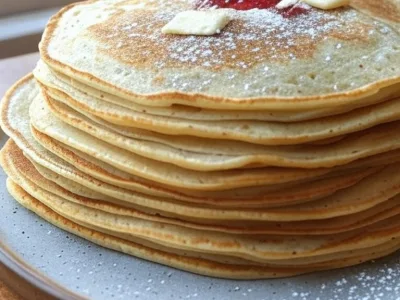
Base recipe: 4 (makes about 12 pancakes)
Your kitchen companion
Ingredients
Check off ingredients as you prepare them.
Follow the steps at your own pace.
Method
1. Prepare the Batter
In a medium-sized mixing bowl, whisk together the milk and eggs until smooth.
Gradually sift in the flour, whisking continuously to avoid lumps.
Add the sugar and salt, then mix until fully combined.
Stir in the melted butter to create a smooth batter.
Let the batter rest for 15-20 minutes to ensure a tender texture.
2. Cook the Pancakes
Heat a non-stick skillet or crepe pan over medium heat. Lightly grease with butter or oil.
Pour approximately 50 ml (3 tbsp) of batter into the center of the pan.
Swirl the pan immediately to spread the batter into a thin, even layer.
Cook for 1-2 minutes, or until the edges are golden and the surface looks set.
Flip the pancake using a spatula and cook for an additional 30 seconds to 1 minute.
Transfer to a plate and repeat with the remaining batter, greasing the pan as needed.
3. Serve
Serve warm with your choice of toppings. Traditional options include lingonberry jam, powdered sugar, or butter. For savory variations, try smoked salmon or ham and cheese.
Extra technique, safety notes and details when you want to go deeper.
More tips & details
Soft, delicate, and slightly sweet, Norwegian pancakes (known as pannekaker in Norway) are a delightful breakfast or dessert that’s sure to win your heart. These thin pancakes are similar to crêpes but have their own unique charm, offering a rich yet light texture that pairs beautifully with both sweet and savory toppings. Whether you’re looking for a new breakfast favorite or a versatile dish to impress your guests, this authentic recipe brings the flavors of Norway straight to your table.
What Makes Norwegian Pancakes Special?
Norwegian pancakes stand out for their simplicity and versatility. Unlike thicker American-style pancakes, pannekaker are thin and flexible, making them ideal for rolling or folding around your favorite fillings. With just a few staple ingredients—eggs, milk, flour, and a pinch of sugar—these pancakes are easy to prepare, yet their flavor and texture feel wonderfully indulgent.
Their light, golden edges and soft centers create the perfect canvas for a variety of toppings, from traditional lingonberry jam to modern favorites like Nutella or fresh fruit. This balance of authenticity and adaptability ensures that everyone at your table will love them.
Why You’ll Love This Norwegian Pancake Recipe
1. Authentic and Traditional
This recipe follows the classic Norwegian method, ensuring you experience the same taste and texture enjoyed in Norwegian homes for generations.
2. Quick and Easy
With simple ingredients and minimal preparation, you can have these pancakes ready in less than 30 minutes. They’re perfect for busy mornings or last-minute dessert ideas.
3. Versatile for Any Occasion
Whether served as a cozy breakfast, a satisfying lunch, or a sweet dessert, these pancakes adapt to your needs. Add savory fillings like ham and cheese or keep it sweet with jam and powdered sugar.
4. Family-Friendly and Crowd-Pleasing
Kids and adults alike will adore the light, buttery flavor of these pancakes. The recipe is easy to double or triple for gatherings, making it a go-to dish for brunches and celebrations.
Tips for Perfect Norwegian Pancakes
To ensure your pancakes turn out perfectly every time, follow these expert tips:
- Use room-temperature ingredients: This helps create a smooth, lump-free batter.
- Rest the batter: Letting the batter sit for 15-20 minutes allows the flour to fully absorb the liquid, resulting in tender pancakes.
- Preheat your pan properly: A hot, lightly greased non-stick pan is essential for achieving the delicate, golden edges characteristic of pannekaker.
- Pour and swirl: Use a ladle to pour a small amount of batter into the center of the pan, then quickly tilt and swirl to spread it thinly and evenly.
- Don’t overcrowd the pan: Cook one pancake at a time to maintain control over thickness and ensure even cooking.
A Bite of Norway on Your Plate
Every bite of these Norwegian pancakes takes you on a journey through the heart of Norway, where simple, hearty ingredients are transformed into dishes that feel like home. Their light sweetness and versatility mean they pair beautifully with nearly any topping you choose. Traditionalists might enjoy them with a dollop of lingonberry jam or a drizzle of golden syrup, while adventurous eaters might experiment with savory options like smoked salmon or herbed cream cheese.
What Toppings Work Best for Norwegian Pancakes?
The beauty of pannekaker lies in their adaptability. Here are some popular topping ideas to elevate your dish:
- Sweet Options:
- Lingonberry jam
- Whipped cream and fresh berries
- Maple syrup or honey
- Nutella or melted chocolate
- Powdered sugar
- Savory Options:
- Smoked salmon with dill
- Ham and cheese
- Spinach and feta
A Delicious Tradition You Can Share
There’s something truly special about sharing a recipe that’s been loved for generations. By making these Norwegian pancakes, you’re not only enjoying a delicious meal but also partaking in a cultural tradition that brings people together. Whether you’re serving them for a cozy breakfast at home or introducing friends and family to the joys of pannekaker, this recipe is a guaranteed crowd-pleaser.
Ready to Make Norwegian Pancakes?
Bring a taste of Norway to your kitchen today! These easy-to-make, light, and versatile pancakes are sure to become a favorite in your recipe collection. Gather your ingredients, heat up your pan, and enjoy the satisfaction of creating something truly delicious. Try this recipe now and savor every bite of these irresistible Norwegian pancakes.
Tips to Elevate and Customize Your Norwegian Pancake Recipe
Creating the perfect Norwegian pancakes (pannekaker) can be a delightful culinary adventure. While the traditional recipe provides a reliable foundation, slight adjustments and ingredient substitutions can dramatically alter the flavor, texture, and nutritional profile. Below, you’ll find detailed advice on how to experiment with your recipe, cater to dietary needs, and create unique flavor profiles.
Adjusting the Texture and Consistency
Adding More Milk
If you prefer ultra-thin pancakes, increase the amount of milk slightly (up to 350 ml or 1 ½ cups). The batter will become thinner, resulting in more delicate pancakes with crispier edges. Keep in mind that thinner batter may require more careful handling to avoid tearing.
Using Less Milk
Reducing the milk (to 250 ml or 1 cup) will make the batter slightly thicker, creating pancakes with a more substantial texture. These are ideal if you want to roll them with heavier fillings or serve them as a savory dish.
Adding Carbonated Water
For an even lighter and airier pancake, replace half of the milk with sparkling water. The carbonation adds tiny bubbles, creating a softer, fluffier texture that melts in your mouth.
Enhancing Flavor
Using Vanilla or Cinnamon
For a sweeter pancake, add 1 tsp of vanilla extract or a pinch of cinnamon to the batter. These flavors work beautifully in sweet variations, pairing well with toppings like berries, syrup, or whipped cream.
Incorporating Lemon Zest
Adding lemon zest (about 1 tsp) brightens the flavor of the pancakes, giving them a fresh and slightly tangy aroma. This works particularly well with fruit-based toppings or powdered sugar.
Experimenting with Sugars
While the recipe calls for granulated sugar, swapping it for brown sugar adds a hint of molasses, giving the pancakes a deeper, caramel-like flavor. Alternatively, use honey or maple syrup for a natural sweetness.
Exploring Dietary Substitutions
Making it Gluten-Free
To make the recipe gluten-free, substitute the all-purpose flour with gluten-free flour. Choose a blend designed for baking, as it often includes stabilizers like xanthan gum that mimic the elasticity of gluten. Gluten-free pancakes may be slightly more fragile but equally delicious.
Using Alternative Milks
Replace dairy milk with almond milk, oat milk, or coconut milk for a dairy-free version. Each alternative adds its own subtle flavor:
- Almond milk contributes a nutty undertone.
- Coconut milk offers a rich, tropical flavor.
- Oat milk provides a creamy, neutral base similar to regular milk.
Substituting Eggs
For an egg-free version, use 1 tbsp of ground flaxseed mixed with 2.5 tbsp of water per egg. Let the mixture sit for a few minutes to thicken before adding it to the batter. This works well but may slightly alter the texture, making the pancakes denser.
Playing with Cooking Techniques
Cooking with Butter vs. Oil
Cooking pancakes in butter enhances their flavor, giving them a golden, slightly nutty crust. For a healthier alternative, use light olive oil or coconut oil, which yield similar results but with different flavor notes.
Adjusting Cooking Heat
Cooking at medium heat ensures even cooking without burning the edges. If you like crispier pancakes, slightly increase the heat but monitor closely to prevent overcooking.
Preheating the Pan
A well-heated, lightly greased non-stick pan is essential. Test the heat by sprinkling a few drops of water on the pan; they should sizzle and evaporate quickly. Preheating prevents sticking and ensures the pancakes cook evenly.
Creative Additions to the Batter
Adding Herbs for Savory Pancakes
For a savory twist, incorporate 1 tbsp of chopped fresh herbs like dill, chives, or parsley into the batter. These flavors complement fillings such as smoked salmon, cream cheese, or ham.
Mixing in Fruits or Nuts
For added texture, fold small amounts of finely chopped fruits like apples, bananas, or blueberries into the batter. For crunch, try adding chopped walnuts, almonds, or pecans.
Using Whole-Grain Flour
Substitute half the all-purpose flour with whole-grain flour for a nuttier flavor and increased fiber content. The pancakes will be slightly heartier but just as enjoyable.
Adjusting for Sweet and Savory Toppings
Sweet Variations
- Serve with maple syrup, powdered sugar, or fruit compote for a classic breakfast.
- Top with whipped cream and fresh berries for a luxurious dessert.
- Add a drizzle of chocolate sauce or a spread of Nutella for an indulgent treat.
Savory Variations
- Pair with smoked salmon, cream cheese, and a sprinkle of dill for a Scandinavian-inspired dish.
- Fill with sautéed spinach and feta cheese for a hearty vegetarian option.
- Use thin slices of ham and grated cheese for a quick lunch idea.
Balancing Nutritional Content
Reducing Sugar
To make the pancakes healthier, reduce the sugar by half or omit it entirely. The natural sweetness of toppings like fruit or syrups will still provide plenty of flavor.
Increasing Protein
For a higher protein content, add 1-2 tbsp of protein powder or substitute part of the flour with almond flour. You can also serve the pancakes with high-protein toppings like Greek yogurt or cottage cheese.
Lowering Fat Content
To reduce fat, replace melted butter with unsweetened applesauce in the batter. This substitution maintains moisture without compromising texture.
Why These Changes Work
Experimenting with the ingredients and methods outlined above allows you to tailor the recipe to your preferences while preserving the essence of Norwegian pancakes. Whether you’re accommodating dietary restrictions or exploring new flavors, these adjustments ensure that every pancake is as delicious and satisfying as the original.
Recivelle · /recipe/norwegian-pancake-recipe-pannekaker