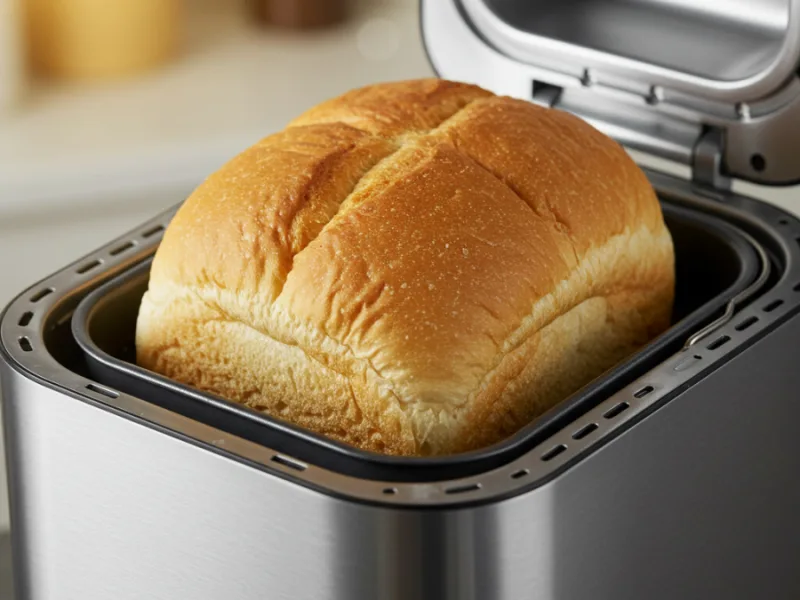
Base recipe: 12 slices
Your kitchen companion
Ingredients
Check off ingredients as you prepare them.
Follow the steps at your own pace.
Method
Activate the yeast In a small bowl, combine warm water, yeast, and inulin (or honey). Stir gently and let it sit for about 5–10 minutes until it becomes foamy. This ensures that the yeast is active.
Prepare the dry ingredients In a large mixing bowl, sift together almond flour, coconut flour, psyllium husk, baking powder, and salt. Mix well to distribute all ingredients evenly.
Mix the wet ingredients In another bowl, whisk the eggs until smooth. Add the melted butter (or coconut oil) and apple cider vinegar. Stir until well combined.
Combine all ingredients Pour the yeast mixture and the wet ingredients into the dry ingredients. Stir until a thick dough forms. The dough should be sticky but not too runny.
Transfer to the bread machine Grease the bread machine pan lightly with butter or coconut oil. Place the dough inside and spread it evenly.
Set the bread machine Choose the "basic" or "low-carb" program, depending on your bread machine model. Select a medium crust setting for a golden-brown finish. Press start and let the machine do the work.
Allow the bread to cool Once the cycle is complete, carefully remove the loaf from the machine and let it cool on a wire rack for at least 30 minutes before slicing. This helps prevent the bread from becoming too moist inside.
Extra technique, safety notes and details when you want to go deeper.
More tips & details
Irresistibly Fluffy and Low-Carb: The Ultimate Keto Bread Machine Recipe
Imagine the perfect loaf of keto bread—golden brown on the outside, soft yet sturdy on the inside, with just the right amount of chew. This bread machine keto bread makes that dream a reality, delivering a beautifully textured loaf that is not only low in carbs but also rich in flavor. Whether you're following a ketogenic lifestyle, looking to reduce carbs, or simply want a healthier alternative to traditional bread, this recipe is a game-changer.
Why You'll Love This Keto Bread Recipe
Finding a low-carb bread that actually tastes good can be a challenge. Many store-bought options are either overly dense, dry, or filled with artificial ingredients. This homemade version, however, ticks all the right boxes.
- Perfect for sandwiches and toast – Unlike many keto breads that crumble or feel too eggy, this one holds together beautifully.
- Effortless in a bread machine – Just add the ingredients, press a button, and let the machine do the work.
- Deliciously soft texture – Thanks to the carefully selected blend of almond flour, psyllium husk, and eggs, this bread has the ideal balance of structure and fluffiness.
- Minimal carbs per slice – A fantastic alternative to high-carb wheat bread, making it easy to stick to your keto goals.
- Customizable flavors – Add seeds, herbs, or even cheese to personalize your loaf.
The Secret to the Perfect Keto Bread Machine Loaf
The key to achieving the right consistency in keto bread lies in the combination of ingredients. Instead of using traditional wheat flour, this recipe relies on a low-carb flour blend that mimics the structure of regular bread without the excess carbs. Almond flour provides a mild, nutty flavor and a soft crumb, while psyllium husk helps create elasticity, preventing the bread from being too dense. Eggs and butter contribute moisture and richness, ensuring that each slice is as satisfying as the last.
Unlike many keto bread recipes that require complicated techniques or hand-kneading, this one is completely hassle-free. Simply place the ingredients into your bread machine, set it to the right program, and let it do the hard work. The result? A golden-brown loaf that is ready to slice and enjoy without any effort.
How to Serve Keto Bread
This keto bread machine loaf is not just a substitute for regular bread—it’s a versatile staple that can be enjoyed in many ways:
- Toast it for breakfast – Spread with butter, cream cheese, or avocado for a satisfying start to the day.
- Make a keto-friendly sandwich – Fill it with deli meats, cheese, and veggies for a low-carb lunch option.
- Pair it with soups and stews – The dense yet soft texture makes it perfect for dipping.
- Use it as a base for garlic bread – Simply brush with garlic butter and herbs, then toast for a quick keto-friendly side dish.
Say Goodbye to Store-Bought Keto Bread
While store-bought keto bread can be convenient, it often contains unwanted additives, preservatives, and questionable ingredients. By making it at home, you have complete control over the quality and taste. Plus, fresh-baked keto bread is unbeatable in terms of flavor and texture.
If you've been missing bread on a keto diet, this is the perfect solution. Whether you're new to keto baking or an experienced low-carb enthusiast, this easy keto bread machine recipe will quickly become a favorite.
Enjoy the warm, freshly baked goodness of homemade keto bread without the hassle! Try this recipe today and experience the difference a perfectly balanced, low-carb bread machine loaf can make in your keto journey.
How to Customize Your Keto Bread Machine Recipe for the Perfect Loaf
Keto bread is a fantastic alternative to traditional wheat bread, but small changes to the recipe can have a big impact on texture, taste, and nutritional value. Whether you want a fluffier consistency, a crunchier crust, or a different flavor profile, adjusting the ingredients and process can help you achieve your desired results.
The Role of Each Ingredient in Keto Bread
Understanding the purpose of each ingredient in the keto bread machine recipe allows you to make substitutions without compromising the final result.
- Almond flour – Provides structure and a mild nutty flavor. It is low in carbohydrates and rich in healthy fats.
- Coconut flour – Absorbs moisture and adds a slightly sweet undertone. Since it is very absorbent, even a small change in quantity can affect the texture.
- Psyllium husk powder – Acts as a binder and adds elasticity, preventing the bread from being too crumbly. It also increases fiber content.
- Eggs – Provide moisture, structure, and help the bread rise. More eggs create a softer loaf, while fewer eggs make the bread denser.
- Butter or coconut oil – Adds richness and improves the overall texture. Butter gives a more traditional flavor, while coconut oil adds a subtle sweetness.
- Apple cider vinegar – Reacts with baking powder to help the bread rise and improves the crumb structure.
How to Adjust Texture and Density
Depending on your preference, you may want to adjust the texture of the bread. Some people prefer a light, fluffy texture, while others enjoy a denser, more rustic loaf.
Making the Bread Lighter and Fluffier
- Increase eggs – Adding one extra egg will make the bread more airy, but it will also have a slightly eggier taste.
- Use a little more baking powder – A slight increase (by about 1 gram (¼ tsp)) can help improve the rise.
- Add a teaspoon of xanthan gum – This helps create a softer, more elastic structure, mimicking gluten.
Creating a Denser, More Chewy Bread
- Reduce eggs – Using one less egg makes the bread slightly denser but also reduces any eggy aftertaste.
- Increase psyllium husk – Adding an extra 5 grams (1 tsp) of psyllium husk makes the loaf firmer and more bread-like.
- Use coconut flour sparingly – Too much coconut flour makes the bread overly dry. Reduce it by 5 grams (1 tsp) if the texture feels too crumbly.
Flavor Variations to Elevate Your Keto Bread
Keto bread is versatile and can be customized to match different flavor preferences. Adding herbs, seeds, or cheese can make each loaf unique.
Savory Variations
- Garlic and herb bread – Add 5 g (1 tsp) garlic powder, 5 g (1 tsp) dried oregano, and 5 g (1 tsp) dried thyme for a flavorful loaf.
- Cheesy keto bread – Mix in 60 g (½ cup) shredded cheddar or parmesan for a richer taste.
- Olive and rosemary bread – Add 50 g (¼ cup) chopped olives and 5 g (1 tsp) rosemary for a Mediterranean touch.
Slightly Sweet Variations
- Cinnamon keto bread – Mix in 5 g (1 tsp) cinnamon and 10 g (2 tsp) erythritol for a warm, slightly sweet flavor.
- Vanilla almond bread – Add 5 ml (1 tsp) vanilla extract and 20 g (1 tbsp) almond butter for a nutty, mildly sweet taste.
- Coconut bread – Replace butter with coconut oil and add 10 g (2 tsp) shredded coconut for a subtle tropical flavor.
How Ingredient Substitutions Impact the Bread
If you need to substitute ingredients due to dietary preferences or allergies, it is essential to understand how they will affect the structure, taste, and nutritional value of the bread.
Replacing Almond Flour
- Sunflower seed flour – A 1:1 substitute that has a slightly earthier taste and a darker color when baked.
- Hazelnut flour – Adds a stronger nutty flavor and pairs well with sweet variations of the bread.
- Sesame seed flour – A good nut-free option, but it has a slightly bitter taste, so pairing it with sweeter ingredients is recommended.
Replacing Psyllium Husk
- Ground flaxseed – Works well as a binder but gives the bread a slightly denser texture.
- Chia seed powder – Absorbs moisture similarly to psyllium husk and adds additional fiber.
Replacing Eggs
- Flaxseed egg (1 tbsp ground flaxseed + 2.5 tbsp water per egg) – Works well, but the bread will not rise as much.
- Gelatin egg substitute (1 tbsp gelatin + 3 tbsp hot water per egg) – Helps maintain structure and moisture.
Adjusting the Crust and Moisture Levels
Some people prefer a crusty keto bread, while others like it soft and moist. These factors can be controlled with slight changes to the recipe and baking process.
Creating a Crispier Crust
- Use ghee or butter instead of coconut oil – This enhances browning.
- Brush the top with olive oil before baking – This creates a crunchier outer layer.
- Let the bread cool in the machine for 10 extra minutes before removing it—this helps the crust firm up.
Keeping the Bread Soft and Moist
- Use coconut oil instead of butter – It retains moisture better.
- Wrap the bread in a clean kitchen towel after baking – This prevents excessive drying as it cools.
- Store it properly – Always keep keto bread in an airtight container to maintain freshness.
Storing and Freezing Keto Bread
Keto bread can dry out faster than traditional bread due to the lack of gluten. Proper storage ensures freshness and prevents waste.
- Room temperature storage – Wrap in plastic wrap or place in an airtight container for up to 3 days.
- Refrigeration – Keeps the bread fresh for up to 7 days, but let it come to room temperature before eating to avoid dryness.
- Freezing – Slice the bread before freezing, then store slices in a sealed bag for up to 3 months. Toasting before serving restores the fresh taste.
The Best Ways to Serve Keto Bread
Keto bread is incredibly versatile, making it a great addition to different meals. Here are some ideas on how to use it:
- Classic toast – Lightly butter a slice and toast it for a perfect morning option.
- Sandwiches – Use it for low-carb sandwiches filled with fresh vegetables, cheese, and deli meats.
- Grilled cheese – Toast two slices with cheese for a crispy keto-friendly snack.
- French toast – Dip slices in an egg mixture with cinnamon and fry for a keto version of a classic breakfast.
Experimenting with different ingredient swaps and techniques can help you find the perfect keto bread variation to suit your taste and preferences. Whether you want a softer loaf, a crispier crust, or a unique flavor twist, making small adjustments to this keto bread machine recipe ensures you get the best possible results every time.
Recivelle · /recipe/keto-bread-machine-recipe