Base recipe: 4
Your kitchen companion
Ingredients
Check off ingredients as you prepare them.
Follow the steps at your own pace.
Method
Step 1: Rinse the Rice
Place the sushi rice in a fine-mesh strainer.
Rinse under cold running water, gently stirring the rice with your hand.
Continue rinsing until the water runs clear, removing excess starch.
Let the rice drain for 10 minutes.
Step 2: Cook the Rice
Transfer the rinsed rice to a medium saucepan. Add 360 ml (1 ½ cups) of water.
Cover the saucepan with a tight-fitting lid.
Bring the water to a boil over medium-high heat.
Once boiling, reduce the heat to low and simmer for 18-20 minutes. Do not lift the lid during cooking.
Turn off the heat and let the rice rest for 10 minutes, still covered.
Step 3: Prepare the Vinegar Mixture
In a small saucepan, combine rice vinegar, sugar, and salt.
Heat the mixture over low heat, stirring constantly, until the sugar and salt dissolve.
Remove from heat and let it cool to room temperature.
Step 4: Season the Rice
Transfer the cooked rice to a large, shallow bowl or a wooden hangiri (traditional sushi rice mixing bowl).
Gently spread the rice to allow it to cool slightly.
Drizzle the vinegar mixture evenly over the rice.
Using a wooden spatula or spoon, fold the rice gently in a cutting motion. Avoid smashing the grains.
Fan the rice as you mix to bring it to room temperature and give it a shiny appearance.
Step 5: Store and Serve
Cover the seasoned rice with a damp towel to keep it moist until ready to use.
Serve as a base for sushi rolls, nigiri, or bowls.
Extra technique, safety notes and details when you want to go deeper.
More tips & details
Creating authentic, restaurant-style sushi rice at home might seem daunting, but with the right techniques and a few simple ingredients, you can master this staple of Japanese cuisine. Sushi rice is the foundation of all great sushi dishes, and when done correctly, it adds the perfect balance of flavor, texture, and aroma to complement the delicate flavors of fresh fish, vegetables, or other toppings.
In this guide, you'll learn the secrets to preparing fluffy, perfectly seasoned sushi rice that rivals your favorite sushi bar. Whether you're crafting traditional nigiri, rolling your favorite maki, or simply enjoying sushi rice as a standalone dish, this recipe guarantees results that will impress.
Why You’ll Love This Recipe
- Restaurant-Quality Results at Home
Say goodbye to store-bought sushi rice that never quite hits the mark. This recipe ensures your sushi rice is sticky yet light, with the perfect balance of sweetness, saltiness, and tanginess.
- Beginner-Friendly Instructions
With a clear, step-by-step process, even first-time cooks can achieve professional results.
- Customizable Seasoning
Adjust the seasoning to suit your palate—make it as bold or subtle as you like while staying true to traditional Japanese flavors.
- Versatility in Use
This sushi rice isn’t just for sushi. Use it as a base for poke bowls, pair it with teriyaki dishes, or enjoy it alongside steamed vegetables for a simple, wholesome meal.
What Makes Sushi Rice So Special?
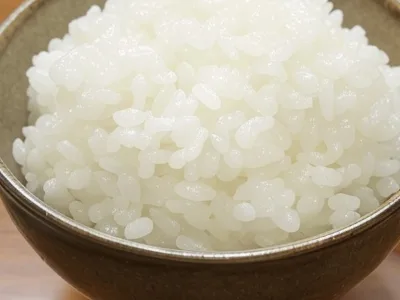
Sushi rice, known as "shari" in Japanese, is not just plain white rice. It's short-grain rice cooked to perfection and delicately seasoned with a precise mixture of rice vinegar, sugar, and salt. The result is a rice that’s slightly sticky but not mushy, with a mild tanginess that enhances the flavors of any sushi or side dish.
This unique preparation ensures that the rice:
- Holds together easily for rolling sushi or shaping into nigiri.
- Absorbs the perfect amount of seasoning for a balanced taste.
- Stays soft and tender even when cooled, making it ideal for serving in room-temperature dishes.
The Secret to Perfect Sushi Rice
Achieving perfect sushi rice involves a combination of quality ingredients, precise cooking methods, and proper seasoning. Here are the keys to success:
- Start with High-Quality Rice
Always use short-grain or medium-grain Japanese rice varieties like Koshihikari or Calrose, which are naturally stickier than long-grain rice.
- Rinse Thoroughly
Rinse the rice multiple times to remove excess starch, ensuring the grains cook evenly and don’t clump together excessively.
- Follow the Right Water-to-Rice Ratio
Sushi rice requires slightly less water than other types of rice to achieve the desired texture. Measure carefully for the best results.
- Season While the Rice is Hot
Mix the rice vinegar seasoning into the freshly cooked rice while it's still warm. This allows the flavors to absorb fully and evenly.
How to Serve and Enjoy Sushi Rice
Sushi rice pairs beautifully with a variety of dishes. Try these ideas to elevate your meals:
- Classic Sushi Rolls
Use nori sheets to create maki rolls filled with fresh fish, avocado, cucumber, or your favorite toppings.
- Nigiri Sushi
Shape small mounds of sushi rice by hand and top with slices of fresh tuna, salmon, or shrimp for an authentic Japanese experience.
- Poke Bowls
Layer sushi rice with marinated fish, seaweed, pickled vegetables, and sesame seeds for a colorful, flavorful bowl.
- Simple Side Dish
Serve alongside teriyaki chicken or tofu for a light yet satisfying accompaniment.
Discover the Joy of Homemade Sushi
Making sushi rice at home is more than just a recipe—it’s a culinary adventure. You’ll gain an appreciation for the art and tradition of Japanese cuisine while enjoying the satisfaction of creating something truly special. Once you master sushi rice, the possibilities for your homemade sushi creations are endless.
So, what are you waiting for? Gather your ingredients and let’s get started! Your next sushi night is about to become unforgettable.
How to Perfect Your Restaurant-Style Sushi Rice
Sushi rice is an art form, and mastering it can elevate your homemade sushi to new heights. This guide offers detailed advice on how to adjust ingredients and techniques, enabling you to customize your sushi rice to suit your taste preferences while maintaining its authentic essence. Whether you're aiming for more sweetness, tanginess, or balance, these insights will help you achieve perfection.
Understanding the Core Ingredients of Sushi Rice
Sushi rice consists of a few key components: short-grain rice, water, and a vinegar-based seasoning. Each plays a crucial role in determining the final texture and flavor. Here’s how to tweak these elements to suit your needs:
Rice Selection
- Traditional Japanese Short-Grain Rice: Varieties like Koshihikari or Calrose are ideal due to their naturally sticky texture and mild flavor.
- Substitute Options: If short-grain rice isn’t available, medium-grain rice can be used, though it may be slightly less sticky. Avoid long-grain varieties, as they lack the desired texture.
- Impact on Texture: Using a less starchy rice will result in a looser, less cohesive sushi rice, making it harder to shape for nigiri or rolls.
Water Ratio
- Standard Ratio: The typical ratio is 1:1.2 (rice to water) for perfectly cooked sushi rice.
- Adjustments: For softer rice, slightly increase the water (e.g., 1:1.3). For firmer rice, reduce the water (e.g., 1:1).
- Effect on Cooking: Too much water will make the rice mushy, while too little can leave it undercooked and dry.
Vinegar Mixture
The seasoning for sushi rice typically consists of rice vinegar, sugar, and salt, combined in specific proportions.
- Sweeter Flavor: Increase the sugar slightly (e.g., 50 g instead of 40 g). This works well for sushi rolls with spicy or savory fillings, as the sweetness balances bold flavors.
- Tangier Flavor: Add more rice vinegar (e.g., 90 ml instead of 80 ml) for a sharper tang. This enhances the rice's pairing with delicate fish like tuna or salmon.
- Less Salt: Reducing salt (e.g., 7 g instead of 10 g) softens the savory note, making the rice more versatile for vegetarian rolls.
Techniques to Refine the Cooking Process
Mastering the technique is as important as the ingredients. Small adjustments can make a significant difference.
Rinsing the Rice
- Why It Matters: Rinsing removes excess starch, preventing clumping and ensuring evenly cooked rice.
- Pro Tip: For extra clarity in the water, soak the rice for 30 minutes after rinsing. This helps the grains absorb water evenly and results in fluffier rice.
- Skipping This Step: If you skip rinsing, the rice may cook unevenly and become overly sticky, leading to a gummy texture.
Cooling the Rice
- Fan While Mixing: Mixing the vinegar seasoning with hot rice while fanning helps cool it down quickly, locking in a glossy finish.
- Avoid Overmixing: Too much mixing breaks the grains, making the rice mushy. Use a gentle cutting motion instead.
- Cover Properly: Always keep the rice covered with a damp towel to prevent it from drying out.
How Ingredient Substitutions Influence the Recipe
Sushi rice is adaptable, and substituting certain ingredients allows you to create variations tailored to dietary needs or flavor preferences.
Alternative Vinegars
- Apple Cider Vinegar: A milder alternative that adds a subtle fruity note but may lack the tangy sharpness of rice vinegar.
- White Vinegar: More acidic and less sweet than rice vinegar. Use sparingly to avoid overpowering the rice.
- Effect: Substituting vinegars can alter the balance of flavors, so adjust sugar and salt accordingly to maintain harmony.
Sweetener Substitutions
- Honey or Maple Syrup: Natural sweeteners add a unique depth of flavor. Use slightly less to avoid overpowering the tanginess.
- Artificial Sweeteners: Suitable for reducing calories, though the flavor may differ slightly from traditional sugar.
Sodium Adjustments
- Low-Sodium Salt: Reduces sodium content without sacrificing the savory profile. Ideal for health-conscious recipes.
- Soy Sauce: Mixing a small amount into the vinegar seasoning adds umami but darkens the rice slightly.
How to Enhance or Balance Flavors
Adding Kombu
- Why Use It: Placing a piece of dried kombu (seaweed) in the water while cooking rice adds umami and a subtle depth to the flavor.
- Effect: Enhances the savory profile without altering the seasoning proportions.
Citrus Zest
- Lemon or Yuzu Zest: Stirring a small amount of zest into the finished rice adds a refreshing aroma.
- When to Use: This works particularly well for sushi rolls with seafood or fresh vegetables.
Experimenting with Herbs
- Shiso Leaves: Chop and mix into the rice for a herby, slightly minty flavor.
- Coriander: For a fusion twist, use chopped coriander to pair with non-traditional sushi fillings like avocado or shrimp.
Tips for Texture Customization
- Stickier Rice: Increase the cooking time slightly or use a touch more water. This is ideal for tightly packed rolls.
- Looser Rice: Decrease the water slightly or rinse more thoroughly to reduce starch. Perfect for poke bowls or chirashi.
- Crunchy Additions: Toasted sesame seeds or chopped nori mixed into the rice provide contrast and elevate texture.
Adapting for Dietary Preferences
Gluten-Free Options
- Ensure the rice vinegar and any added condiments (like soy sauce) are certified gluten-free to avoid cross-contamination.
Vegan Adjustments
- The standard recipe is vegan-friendly. To enhance the umami, consider adding a dash of mushroom extract or kombu-infused water during cooking.
Why Experimentation Matters
Customizing your sushi rice allows you to cater to specific dishes and preferences while respecting traditional techniques. Adjusting the seasoning, texture, or additional ingredients ensures a versatile rice base that complements any sushi style, from classic rolls to modern fusion creations.
With these tips, you can confidently explore endless possibilities and develop your perfect version of restaurant-style sushi rice.
Recivelle · /recipe/how-make-restaurant-style-sushi-rice