Base recipe: 4
Your kitchen companion
Ingredients
Check off ingredients as you prepare them.
Follow the steps at your own pace.
Method
Prepare the Asparagus:
Wash the asparagus under cold water and pat dry.
Trim the woody ends (about 2-3 cm or 1 inch) by snapping them off naturally where they break.
Boil the Water:
In a large pot, bring 2 liters (8 ½ cups) of water to a boil. Add salt for flavor.
Cook the Asparagus:
Carefully place the asparagus into the boiling water.
Cook for 3-5 minutes, depending on the thickness of the spears, until they are bright green and tender but still slightly crisp.
Drain and Cool:
Remove the asparagus from the pot using tongs or a slotted spoon and transfer to a bowl of ice water to stop the cooking process.
Let it sit for 2 minutes, then drain and pat dry.
Add Flavor:
Drizzle the cooked asparagus with olive oil and squeeze fresh lemon juice over the top.
Optionally, sprinkle with grated Parmesan for added flavor.
Serve Immediately:
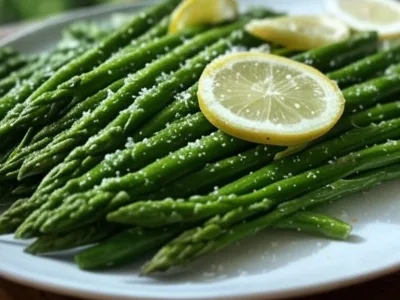
Arrange the asparagus on a serving plate. Garnish with lemon slices if desired. Serve warm or at room temperature.
Extra technique, safety notes and details when you want to go deeper.
More tips & details
There's something truly special about asparagus, the vibrant green stalks that signal the arrival of spring. Whether you're a seasoned chef or just starting out in the kitchen, mastering how to cook asparagus perfectly is an essential culinary skill. With its crisp-tender texture, mild flavor, and versatility, asparagus can elevate any meal from ordinary to extraordinary.
This guide will help you unlock the full potential of this beloved vegetable. From selecting the freshest spears to achieving the perfect level of doneness, we’ll walk you through everything you need to know. Prepare to impress your family and friends with beautifully cooked asparagus that’s as delightful to the eye as it is to the palate.
Why You’ll Love This Recipe
- Quick and Easy: Asparagus cooks in minutes, making it ideal for weeknight dinners or last-minute side dishes.
- Healthy and Nutritious: Packed with vitamins A, C, E, and K, along with fiber and antioxidants, asparagus is a powerhouse of health benefits.
- Versatile: Whether roasted, steamed, sautéed, or grilled, asparagus pairs beautifully with a variety of flavors and dishes.
- Elegant Presentation: Its vibrant green color and delicate tips make it a visually stunning addition to any plate.
If you're searching for a simple yet impressive recipe, this is the one to try.
What Makes Perfectly Cooked Asparagus?
Perfect asparagus strikes the perfect balance between tenderness and crispness. It should maintain a slight bite while being soft enough to melt in your mouth. Overcooked asparagus becomes mushy, losing its bright color and fresh flavor. On the other hand, undercooked asparagus can be tough and fibrous, detracting from its natural sweetness.
The secret lies in proper preparation, the right cooking time, and knowing which cooking method suits your dish best.
Tips for Choosing the Best Asparagus
Fresh asparagus is the key to achieving perfection. Here's how to select the best bunch:
- Check the Tips: Look for tightly closed, firm tips. Avoid asparagus with tips that are slimy or starting to flower.
- Examine the Stalks: The stalks should be firm and bright green. Avoid limp or woody spears.
- Size Matters: While thicker stalks are great for grilling, thinner stalks are ideal for steaming or sautéing. Choose the size based on your preferred cooking method.
Serving Suggestions for Cooked Asparagus
Asparagus is wonderfully versatile and pairs well with a variety of ingredients. Here are some serving ideas to inspire you:
- With Lemon and Parmesan: A squeeze of fresh lemon juice and a sprinkle of grated Parmesan cheese enhances the flavor beautifully.
- As a Side Dish: Serve alongside roasted chicken, grilled salmon, or a hearty steak for a balanced meal.
- In Salads: Toss cooked asparagus into a spring salad with mixed greens, goat cheese, and a light vinaigrette.
- With Eggs: Pair steamed or sautéed asparagus with poached eggs for a simple yet elegant breakfast or brunch.
Why This Recipe Stands Out
- Health Benefits: Asparagus is low in calories yet high in essential nutrients. It supports digestion, boosts immunity, and promotes healthy skin.
- Flexibility: Whether you're preparing a casual meal or hosting a dinner party, this recipe fits any occasion.
- Perfect Every Time: This method ensures that your asparagus is perfectly cooked, retaining its vibrant color, flavor, and texture.
Ready to Try It?
Whether you're a fan of quick weeknight meals or you love experimenting with gourmet dishes, asparagus is a must-have ingredient in your kitchen. By following this guide, you’ll be able to prepare asparagus that’s crisp, flavorful, and absolutely irresistible.
Get ready to transform simple asparagus into a culinary masterpiece. Grab your apron, gather your ingredients, and let’s get cooking!
How to Cook Asparagus Perfectly: Expert Tips and Variations
Mastering the art of cooking asparagus opens the door to a world of culinary possibilities. This vibrant vegetable, packed with flavor and nutrients, can be tailored to suit your preferences with a few thoughtful adjustments. Below, we’ll explore how changes in ingredients, cooking methods, and seasonings can transform your asparagus dish into something extraordinary.
How Ingredient Choices Impact the Recipe
The ingredients you use in this recipe can significantly alter its flavor, texture, and overall appeal. Let’s dive into how substitutions or additions can elevate your asparagus.
Using Different Oils
The olive oil in the recipe adds a light, fruity flavor, but you can experiment with other oils for unique results:
- Butter: Replacing olive oil with melted butter imparts a rich, creamy taste. Perfect for pairing with roasted meats.
- Sesame Oil: A drizzle of sesame oil creates an earthy, nutty profile that complements Asian-inspired dishes.
- Truffle Oil: For a luxurious twist, add a few drops of truffle oil to enhance the umami flavors.
Enhancing the Citrus Element
Lemon juice brings brightness to the dish, but other citrus fruits can offer interesting variations:
- Lime: A sharper, tangier option that pairs well with spicy dishes.
- Orange Zest: Adds a sweet, aromatic note, perfect for a summer side dish.
- Grapefruit: Slightly bitter yet refreshing, ideal for gourmet presentations.
Adding Herbs and Spices
Seasoning transforms the dish dramatically. Here’s how herbs and spices influence the flavor:
- Garlic: Minced garlic sautéed in olive oil adds depth and richness.
- Thyme or Rosemary: Fresh or dried herbs introduce an earthy, fragrant aroma.
- Chili Flakes: A pinch of chili flakes brings a subtle heat, ideal for those who enjoy a spicy kick.
How Cooking Methods Affect Asparagus
The way you cook asparagus has a major impact on its texture and taste. Let’s look at some alternative methods:
Roasting
- What it Does: Roasting brings out the natural sweetness of asparagus through caramelization.
- How to Do It: Toss asparagus with olive oil, salt, and pepper, then roast at 200°C (400°F) for 12-15 minutes.
- Flavor Profile: The result is nutty, slightly crispy asparagus with a deep, roasted flavor.
Grilling
- What it Does: Grilling adds a smoky, charred element that enhances the vegetable’s natural earthiness.
- How to Do It: Brush asparagus with oil and grill over medium heat for 3-5 minutes per side.
- Flavor Profile: Smoky and slightly bitter with a crisp-tender texture.
Steaming
- What it Does: Steaming preserves the vegetable’s bright color and delicate flavor.
- How to Do It: Place asparagus in a steamer basket over boiling water and steam for 4-6 minutes.
- Flavor Profile: Clean and mild, with a focus on the natural taste of asparagus.
Variations and Pairings
Experimenting with pairings and additions can turn your asparagus into a centerpiece.
Pairing with Proteins
Asparagus is versatile and pairs beautifully with many proteins:
- Eggs: Serve steamed asparagus with poached eggs and hollandaise sauce for a classic brunch dish.
- Seafood: Grilled asparagus complements salmon, shrimp, or scallops perfectly.
- Chicken: Pair roasted asparagus with herb-marinated chicken for a well-rounded meal.
Adding Cheese
Cheese enhances asparagus with richness and complexity:
- Parmesan: A sprinkle of grated Parmesan provides a salty, nutty finish.
- Goat Cheese: Crumbled goat cheese adds tanginess and creaminess.
- Feta: A Mediterranean twist that pairs well with lemon and herbs.
Adding Nuts and Seeds
Adding a crunchy topping introduces texture and additional flavor:
- Almonds or Walnuts: Toasted nuts offer a buttery crunch.
- Sesame Seeds: Lightly toasted sesame seeds add nuttiness.
- Pumpkin Seeds: A subtle, earthy topping with a satisfying bite.
Tips for Perfect Texture and Flavor
Achieving the perfect texture and flavor requires attention to detail:
- Salt the Water Generously: This step enhances the flavor of the asparagus from the inside out.
- Use Ice Water After Boiling: Shocking the cooked asparagus in ice water stops the cooking process and preserves its vibrant green color.
- Don’t Overcook: Overcooking leads to mushy asparagus and dull colors. Always aim for crisp-tender texture.
Adjusting for Dietary Preferences
This recipe is naturally gluten-free and vegetarian, but you can make additional adjustments:
- Vegan Option: Skip Parmesan or replace it with nutritional yeast for a similar umami effect.
- Low-Sodium: Use unsalted water and opt for herbs and spices instead of salt.
- Keto-Friendly: Stick with butter or high-fat oils to meet dietary requirements.
Maximizing Nutritional Benefits
Asparagus is a nutritional powerhouse. Here are some of the key vitamins and minerals it provides:
- Vitamin A: Supports vision, immunity, and skin health.
- Vitamin K: Essential for blood clotting and bone strength.
- Folate: Important for cell growth and DNA synthesis, especially during pregnancy.
- Potassium: Helps regulate blood pressure and heart function.
- Iron: Boosts energy levels and supports red blood cell production.
Boosting Antioxidants
Asparagus contains antioxidants that play a vital role in protecting your body:
- Glutathione: Helps detoxify harmful substances and reduce oxidative stress.
- Vitamin C: Fights free radicals and supports collagen production for healthy skin.
- Quercetin: Has anti-inflammatory properties and supports cardiovascular health.
Cooking asparagus perfectly is both an art and a science. With the right ingredients, methods, and techniques, you can transform this humble vegetable into a star dish. Whether you prefer it roasted, steamed, or grilled, asparagus adapts beautifully to your tastes and needs.
Experiment with these tips and variations to discover your favorite way to enjoy asparagus. Bring creativity to your kitchen and enjoy the incredible versatility of this vibrant green vegetable.
Recivelle · /recipe/how-cook-asparagus-perfectly