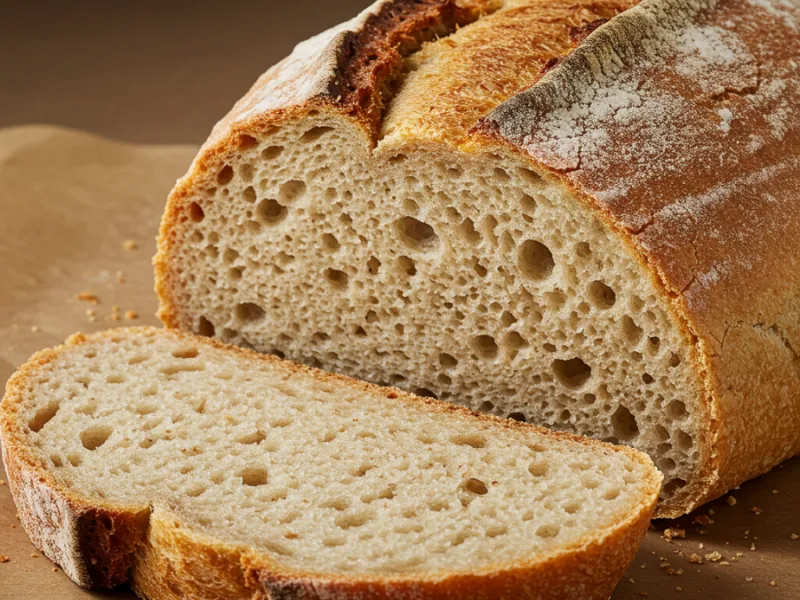
Base recipe: This recipe makes 1 loaf (approximately 12 slices).
Your kitchen companion
Ingredients
Check off ingredients as you prepare them.
Follow the steps at your own pace.
Method
Activate the yeast In a small bowl, mix the warm water, yeast, and honey (or maple syrup). Stir gently and let sit for 5–10 minutes until the mixture becomes frothy.
Prepare the dry ingredients In a large mixing bowl, combine the whole wheat flour, oat flour, salt, and optional seeds. Mix well to distribute the ingredients evenly.
Combine wet and dry ingredients Create a small well in the center of the flour mixture. Pour in the activated yeast mixture and olive oil. Using a spoon or your hands, mix until the dough starts to come together.
Knead the dough Transfer the dough to a floured surface and knead for about 8–10 minutes until it becomes smooth and elastic. If the dough is too sticky, add a little more flour; if too dry, add a teaspoon of water.
First rise Place the dough in a greased bowl, cover with a clean kitchen towel, and let it rise in a warm place for 60 minutes, or until it doubles in size.
Shape the bread Once risen, punch down the dough and shape it into a loaf. Place it in a greased or parchment-lined bread pan. Cover again and let it rest for another 15–20 minutes.
Bake the bread Preheat the oven to 180°C (350°F). Bake the bread for 30 minutes or until the top is golden brown and sounds hollow when tapped.
Cool and serve Remove the bread from the oven and let it cool in the pan for 5 minutes. Then transfer it to a wire rack to cool completely before slicing.
Extra technique, safety notes and details when you want to go deeper.
More tips & details
A Delicious and Guilt-Free Healthy Low-Calorie Bread
There’s nothing quite like the comforting aroma of freshly baked bread filling your kitchen, but traditional loaves can often be high in calories and refined carbohydrates. If you’re looking for a healthier alternative that still delivers a delicious taste and soft texture, this healthy low-calorie bread is the perfect solution. Made with nutrient-dense ingredients, this bread is light, satisfying, and packed with goodness—perfect for anyone who wants to enjoy bread without the extra calories.
Unlike store-bought options, which often contain preservatives and artificial additives, this homemade bread is made with wholesome ingredients that are not only better for you but also taste fresher and more natural. Whether you’re trying to cut down on calories, maintain a balanced diet, or simply enjoy a lighter alternative, this recipe is sure to become a staple in your kitchen.
Why You’ll Love This Healthy Low-Calorie Bread
This low-calorie bread is not just about reducing calories—it’s about maximizing flavor and nutrition while keeping the texture soft and fluffy. Here’s why you’ll love making this recipe:
- Light and airy texture – Unlike many low-calorie breads that turn out dry and dense, this recipe keeps the crumb soft and pleasant to eat.
- Naturally low in calories – Each slice is significantly lower in calories than traditional bread, making it a perfect option for those who want to enjoy bread while keeping their calorie intake in check.
- No refined sugars or unhealthy additives – This bread is made with clean, natural ingredients, making it a great choice for a wholesome diet.
- Rich in fiber and nutrients – Depending on the flour used, this bread provides a good amount of fiber, vitamins, and minerals, contributing to better digestion and overall health.
- Perfect for various diets – Whether you’re trying to lose weight, eat cleaner, or simply want a healthier bread option, this recipe fits seamlessly into most dietary plans.
- Versatile and delicious – Enjoy it toasted with your favorite toppings, as a base for sandwiches, or alongside a warm bowl of soup.
A Nourishing Bread That Doesn’t Compromise on Flavor
One of the biggest misconceptions about healthy bread is that it lacks flavor. However, this recipe proves that you don’t have to sacrifice taste for health. The carefully selected ingredients bring out a mild, slightly nutty flavor, with just the right balance of moisture and fluffiness. The result is a homemade bread that’s delicious on its own but also pairs beautifully with both sweet and savory toppings.
What makes this bread truly special is its simple yet effective combination of ingredients. A blend of whole grain or alternative flours, natural leavening agents, and just the right amount of moisture ensures that every slice is as enjoyable as it is nutritious. By carefully balancing the ingredients, you get a well-textured loaf that stays soft for days without relying on artificial preservatives.
How to Enjoy This Low-Calorie Bread
This bread is incredibly versatile and can be used in various ways, making it a perfect addition to any meal. Here are some delicious ways to enjoy it:
- Toasted for breakfast with a light spread of nut butter, avocado, or Greek yogurt and fresh fruit.
- As a base for sandwiches, filled with lean protein, fresh vegetables, and a healthy spread.
- Alongside soups and salads, adding a wholesome, homemade touch to your meals.
- Lightly grilled or used for bruschetta, with fresh tomatoes, basil, and a drizzle of olive oil.
Bake Your Own Guilt-Free Bread Today
If you’ve been searching for a bread recipe that fits into a healthier lifestyle without sacrificing taste and texture, this low-calorie bread is exactly what you need. Not only is it easy to make, but it also allows you to control the ingredients and ensure that every bite is nutrient-packed and delicious.
Ready to experience homemade bread like never before? Grab your ingredients and start baking today—you won’t believe how light, flavorful, and satisfying this bread can be!
How to Customize and Improve Your Healthy Low-Calorie Bread
This healthy low-calorie bread is a fantastic base recipe, but there are plenty of ways to customize and enhance it according to your dietary needs, flavor preferences, and texture goals. Whether you want to make it gluten-free, high-protein, or more flavorful, small ingredient tweaks can make a big difference. Below, you'll find various modifications and their impact on the bread’s texture, flavor, and nutritional value.
Choosing the Right Flour for Your Bread
The type of flour you use plays a crucial role in the texture, flavor, and nutritional content of your bread.
- Whole Wheat Flour (used in the base recipe) – Gives the bread a nutty flavor and a denser texture, making it more filling. It is rich in fiber and B vitamins.
- Oat Flour – Adds a mild sweetness and softness, making the bread lighter. It also contributes to beta-glucans, which help with heart health.
- Spelt Flour – Provides a slightly sweeter and nuttier taste, making the bread more aromatic. It is easier to digest than wheat flour but still contains gluten.
- Almond Flour – Creates a moister and softer texture, but since it lacks gluten, it will need a binding agent like xanthan gum. It also increases the healthy fat content of the bread.
- Coconut Flour – Absorbs a lot of moisture, making the bread denser. You’ll need to increase the liquid content if using it.
- Gluten-Free Flour Blend – A combination of rice flour, potato starch, and xanthan gum can mimic the texture of wheat bread while keeping it gluten-free.
Adjusting the Moisture Content
Moisture balance is essential for achieving a soft and airy texture in bread. The amount of liquid ingredients can be adjusted based on the flour type or desired consistency.
- Adding More Water or Milk – If the dough feels too dry, a small amount of extra warm water, almond milk, or oat milk can help create a softer texture.
- Using Greek Yogurt – A small amount of Greek yogurt (around 30 g or 2 tbsp) can improve the moisture and protein content while keeping the bread fluffy.
- Incorporating Applesauce – Replacing a portion of the oil with unsweetened applesauce adds natural sweetness and keeps the bread moist without adding extra fat.
Enhancing the Flavor Profile
The base recipe has a mild and slightly nutty taste, but you can easily add more depth to the flavor.
- Adding Herbs and Spices – Fresh or dried rosemary, oregano, thyme, or garlic powder can transform the bread into a savory delight.
- A Touch of Sweetness – A small amount of cinnamon, vanilla extract, or a teaspoon of honey can add warmth and complexity to the flavor.
- Using Nut or Seed Butters – Adding a tablespoon of almond or sunflower seed butter enhances the richness while providing healthy fats and protein.
Increasing the Fiber and Nutrient Content
Boosting the fiber content improves digestive health and makes the bread more filling and satisfying.
- Adding Ground Flaxseeds or Chia Seeds – These ingredients add extra fiber, omega-3s, and plant-based protein while slightly improving moisture retention.
- Using Psyllium Husk – Helps with binding and structure in gluten-free versions while adding soluble fiber that supports gut health.
- Including Whole Grains – Mixing in a small amount of rolled oats, quinoa, or millet adds texture and additional nutrients.
Making the Bread Higher in Protein
If you want a higher-protein bread, try these easy modifications:
- Replace part of the flour with protein powder – A neutral or vanilla-flavored plant-based or whey protein powder can increase protein content while keeping the bread light and fluffy.
- Use More Egg Whites – Adding one or two extra egg whites provides more protein and structure without changing the flavor significantly.
- Incorporate Cottage Cheese or Greek Yogurt – These ingredients boost protein and moisture while maintaining a mild taste.
Lowering the Carb Content for a Low-Carb Version
If you're following a low-carb diet, you can adjust the flour and other ingredients accordingly.
- Use Almond and Coconut Flour Instead of Wheat Flour – These flours reduce carbs and increase healthy fats, though they require additional binding agents.
- Reduce the Honey or Sweetener – Lowering or eliminating the honey or maple syrup makes the bread even lower in carbs.
- Increase Egg and Seed Content – More eggs, flaxseeds, or sunflower seeds will create a denser but nutritious loaf.
Improving the Bread’s Texture
If you want softer, fluffier bread, consider these techniques:
- Let the Dough Rise Longer – Allowing the dough to ferment for a little longer (90 minutes instead of 60 minutes) can help develop more structure.
- Use a Preheated Oven – Baking at the correct temperature (180°C / 350°F) with a preheated oven ensures even rising and prevents a dense texture.
- Brush the Top with Olive Oil or Milk Before Baking – This technique adds a slight crispiness to the crust while keeping the inside soft.
Making the Bread Gluten-Free
For those with gluten sensitivities, making this bread gluten-free is possible with a few adjustments.
- Use a Gluten-Free Flour Blend – A mix of rice flour, tapioca starch, and xanthan gum works well as a substitute.
- Add More Moisture – Gluten-free flours tend to be drier, so a bit more water, yogurt, or applesauce helps maintain a soft texture.
- Let the Dough Rest Before Baking – Gluten-free dough needs extra resting time (about 20 minutes) to fully absorb liquids and develop better elasticity.
Adjusting for Vegan and Dairy-Free Needs
To make this bread fully plant-based, follow these simple substitutions:
- Replace Honey with Maple Syrup or Agave Nectar – This keeps the sweetness while staying vegan-friendly.
- Use Non-Dairy Milk Instead of Water – Almond, soy, or oat milk add extra richness without any dairy.
- Skip the Egg (If Using an Egg-Based Variation) – Substitute with a flax or chia egg (1 tbsp ground flaxseed + 3 tbsp water per egg) for binding and structure.
Customizing Your Healthy Low-Calorie Bread
This healthy low-calorie bread is incredibly versatile, allowing you to modify it to fit your dietary goals, taste preferences, and texture expectations. Whether you want to make it gluten-free, high-protein, low-carb, or more flavorful, small ingredient tweaks can create a completely personalized loaf.
By understanding how different flours, liquids, and additives affect your bread, you can achieve the perfect balance of softness, flavor, and nutrition. So, experiment with different variations and find the ideal combination that suits your needs!
Recivelle · /recipe/healthy-low-calorie-bread-recipe