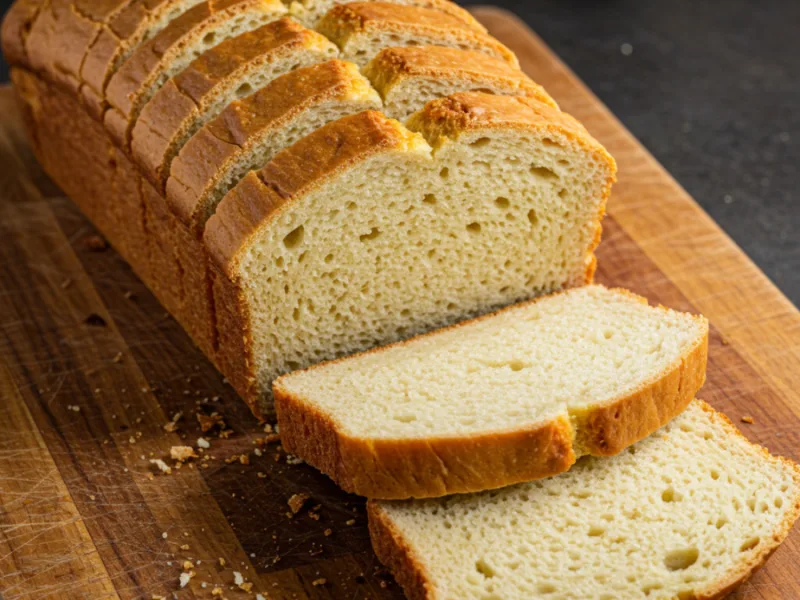
Base recipe: This recipe makes 12 slices of fluffy keto bread.
Your kitchen companion
Ingredients
Check off ingredients as you prepare them.
Follow the steps at your own pace.
Method
Preheat the oven to 175°C (350°F). Line a 20 cm x 10 cm (8-inch x 4-inch) loaf pan with parchment paper.
Combine the dry ingredients. In a mixing bowl, whisk together almond flour, coconut flour, psyllium husk, baking powder, and salt.
Prepare the wet ingredients. In another bowl, beat the eggs until frothy. Add melted butter, almond milk, and apple cider vinegar. Mix well.
Mix the batter. Gradually incorporate the dry ingredients into the wet mixture. Stir until the batter becomes thick and well combined. Let it sit for 5 minutes to allow the psyllium husk to absorb the liquid.
Shape the dough. Transfer the batter into the prepared loaf pan, smoothing the top with a spatula.
Bake the bread. Place the pan in the oven and bake for 40 minutes, or until the top is golden brown and a toothpick inserted in the center comes out clean.
Cool before slicing. Remove from the oven and let the bread cool in the pan for 10 minutes, then transfer to a wire rack to cool completely.
Extra technique, safety notes and details when you want to go deeper.
More tips & details
Fluffy Low-Carb Keto Bread: A Delicious Gluten-Free Alternative
Few things are as satisfying as the aroma of freshly baked bread wafting through the kitchen. But when following a low-carb or keto lifestyle, traditional bread is often off-limits due to its high carbohydrate content. This fluffy keto bread changes everything, offering the perfect balance between taste, texture, and nutrition. Light, airy, and full of flavor, it provides the familiar comfort of homemade bread while keeping carbs to a minimum.
Why You'll Love This Keto Bread
This keto bread recipe is more than just a low-carb substitute—it's a game-changer. Whether you’re gluten-free, watching your carb intake, or simply looking for a healthier alternative to traditional bread, this recipe delivers everything you need.
- Incredibly Soft and Fluffy Texture – Unlike many low-carb breads that can be dense and dry, this version is light, airy, and perfectly moist.
- Low in Carbs, High in Flavor – With just a fraction of the carbs found in regular bread, you can enjoy it guilt-free.
- Gluten-Free and Grain-Free – Made with almond flour and other keto-friendly ingredients, this bread is perfect for those avoiding gluten.
- Versatile and Easy to Make – Ideal for sandwiches, toast, or as a side to any meal.
- Rich in Healthy Fats and Proteins – Keeps you feeling satisfied for longer while supporting your ketogenic diet.
The Secret to Perfect Keto Bread
Creating the perfect low-carb bread requires the right combination of ingredients and techniques. Many keto breads turn out dry, crumbly, or overly eggy. The key to achieving a soft, bread-like consistency lies in the use of carefully selected ingredients.
- Almond Flour – Provides a subtle nutty flavor and a fine texture that mimics traditional wheat flour.
- Eggs and Baking Powder – Essential for helping the bread rise and stay fluffy without the need for yeast.
- Healthy Fats – Ingredients like butter or coconut oil add richness while keeping the bread moist and tender.
- Psyllium Husk or Xanthan Gum – These help bind the ingredients together, preventing a crumbly texture.
How to Enjoy This Keto Bread
One of the best things about this low-carb bread is its versatility. It can be used just like traditional bread, making it an excellent addition to any low-carb or gluten-free lifestyle.
- Perfect for Toasting – Spread some butter, avocado, or sugar-free jam for a delicious start to the day.
- Use It for Sandwiches – Create low-carb sandwiches with your favorite fillings for a quick and satisfying meal.
- Pair It with Soups and Salads – Enjoy a warm slice alongside a bowl of creamy keto soup or a fresh salad.
- Make It Sweet or Savory – Add a touch of cinnamon and sweetener for a keto-friendly breakfast bread, or mix in herbs for a savory twist.
Why This Bread Fits Perfectly Into a Keto Diet
Maintaining a keto lifestyle can sometimes feel restrictive, but this bread helps expand your meal options while keeping your carb count in check. Traditional breads are often loaded with refined flours and added sugars, which can spike blood sugar levels and disrupt ketosis. This low-carb bread is crafted with nutrient-dense ingredients that support steady energy levels and better digestion.
Make It Today and Enjoy Fresh Keto Bread
There’s nothing quite like the satisfaction of homemade bread—especially when it fits perfectly into your keto lifestyle. Whether you’re craving a classic sandwich, a crispy slice of toast, or a warm bite of comfort, this fluffy low-carb keto bread will quickly become a staple in your kitchen.
Give it a try today and discover just how easy it is to enjoy delicious, homemade keto-friendly bread without sacrificing flavor or texture!
How to Perfect Fluffy Low-Carb Keto Bread: Tips and Ingredient Variations
Creating the perfect low-carb keto bread requires the right combination of ingredients, techniques, and adjustments to fit personal preferences. Whether you’re aiming for a softer texture, a more neutral flavor, or an extra boost of nutrition, simple modifications can make a significant difference. This guide explores ingredient swaps, baking tips, and troubleshooting techniques to help you achieve the fluffiest, most delicious keto bread possible.
Adjusting the Texture for the Perfect Fluffy Keto Bread
One of the most common concerns with keto bread recipes is achieving the right texture. Unlike traditional wheat-based bread, which relies on gluten for elasticity, low-carb bread depends on eggs, psyllium husk, and almond flour to create structure.
- For a lighter and airier texture – Increase the number of eggs by one, which adds more structure and fluffiness. However, this may slightly increase the eggy taste.
- For a denser and more filling bread – Reduce the eggs by one and increase the almond flour by 15 g (2 tbsp). This creates a heartier loaf but may require a longer baking time.
- To make it extra soft – Use 50 g (¼ cup) of cream cheese in place of butter. This results in a creamier texture and a slightly richer flavor.
Changing the Flavor Profile
While keto bread is typically neutral in taste, some adjustments can enhance or alter the flavor, making it more suited to different dishes.
- For a more neutral, bread-like flavor – Replace half of the coconut flour with additional almond flour. Coconut flour can give a slight sweetness, so reducing it will make the bread taste closer to classic white bread.
- For a buttery and rich taste – Use ghee instead of butter. Ghee provides a deep, nutty aroma while keeping the bread moist.
- For a slight tang and a hint of sourdough flavor – Add ½ tsp of apple cider vinegar or Greek yogurt to the batter. This enhances the rise and gives a slight fermented taste.
- For a nutty flavor – Toast the almond flour lightly before using it. This deepens the bread’s natural nuttiness without changing the texture.
Swapping Ingredients for Dietary Needs
Keto bread is already gluten-free and low-carb, but some people have specific dietary restrictions, requiring ingredient adjustments.
- Nut-Free Alternative – Swap almond flour with sunflower seed flour in equal amounts. This keeps the texture similar but may cause the bread to turn slightly green due to natural reactions with baking powder (this is harmless).
- Dairy-Free Version – Replace butter with coconut oil and use unsweetened coconut milk instead of almond milk. This makes the bread slightly sweeter and enhances the coconut flavor.
- Egg-Free Adaptation – Since eggs play a crucial role in binding, replacing them requires adjustments. Mix 60 g (¼ cup) ground flaxseeds with 120 ml (½ cup) of water to form an egg substitute. The bread may turn out denser but remains moist and flavorful.
Enhancing the Rise of Keto Bread
Unlike traditional yeast bread, keto bread relies on chemical leaveners like baking powder and eggs to create volume. If your bread turns out too flat or dense, consider the following adjustments:
- Increase Baking Powder – If the bread is too dense, add 2 extra grams (½ tsp) of baking powder for a better rise.
- Whip the Eggs Separately – For an extra fluffy loaf, separate the egg whites from the yolks. Whip the whites until stiff peaks form and gently fold them into the batter. This adds air and lightness to the bread.
- Let the Batter Rest – Psyllium husk and coconut flour absorb liquid over time. Allowing the batter to sit for 5–10 minutes before baking ensures proper hydration and a more even structure.
Improving Moisture Retention
Some keto breads can turn dry and crumbly, but small tweaks can ensure the bread remains moist and soft.
- Use More Fat – Increasing the amount of butter, coconut oil, or olive oil by 10 g (2 tsp) helps lock in moisture.
- Add a Touch of Yogurt – Incorporating 1 tbsp of full-fat Greek yogurt makes the bread softer while keeping it keto-friendly.
- Store Properly – Keto bread tends to dry out faster than regular bread. Store it in an airtight container or wrap it in parchment paper inside the fridge to keep it fresh longer.
Creative Ways to Use Keto Bread
While this low-carb bread is delicious on its own, there are many creative ways to enjoy it beyond simple slices.
- Make Garlic Bread – Brush slices with melted butter, garlic, and parsley, then toast until golden brown.
- Use It for French Toast – Dip slices in a mixture of eggs, cream, and cinnamon, then fry in butter for a delicious keto breakfast.
- Turn It into Breadcrumbs – Dry out a few slices and blend them into fine crumbs to use as a coating for low-carb fried foods.
- Use It for Sandwiches and Burgers – Slice it thicker to create a hearty keto sandwich or burger bun alternative.
Common Mistakes and How to Fix Them
If your keto bread didn’t turn out as expected, here’s how to troubleshoot common problems.
- Bread is too eggy – Reduce the number of eggs by one and add a dash of lemon juice or vinegar to neutralize the taste.
- Bread is too dry – Increase the butter or coconut oil and make sure you don’t overbake it. A lower baking temperature for a longer time helps maintain moisture.
- Bread is too dense – Check if your baking powder is fresh and avoid overmixing the batter, which can make it heavy.
- Bread collapsed after baking – This happens when there’s too much moisture. Let it cool completely before slicing and reduce the amount of almond milk slightly next time.
Final Thoughts on Customizing Keto Bread
This fluffy low-carb keto bread is a fantastic base recipe that can be tailored to suit individual tastes and dietary preferences. Whether you prefer it extra soft, more neutral, slightly tangy, or with a nutty depth, small adjustments allow for endless possibilities. With these tips, you can fine-tune your bread to perfection and enjoy a versatile, satisfying keto staple that fits seamlessly into your lifestyle.
Recivelle · /recipe/fluffy-low-carb-keto-bread-delicious-gluten-free-alternative