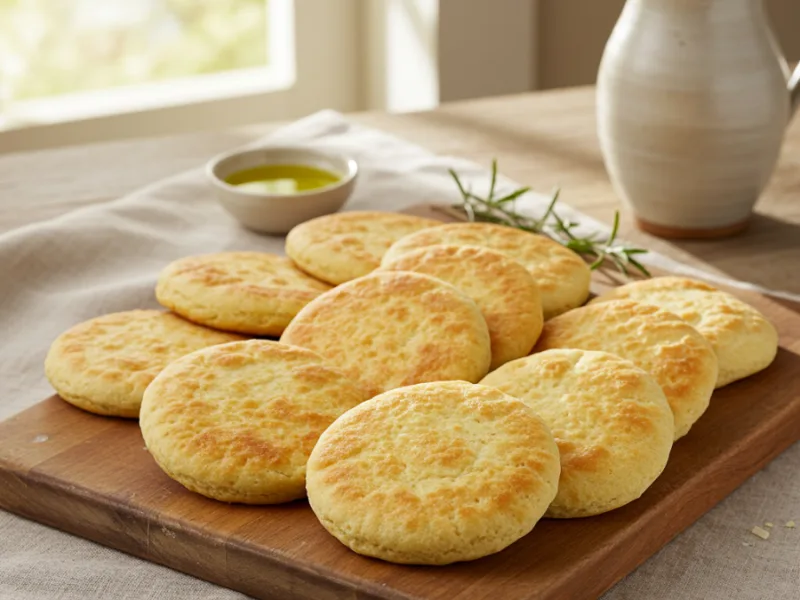
Base recipe: 8 small rounds (suitable for 8 people)
Your kitchen companion
Ingredients
Check off ingredients as you prepare them.
Follow the steps at your own pace.
Method
1. Preheat the oven. Set your oven to 425°F (220°C). Line a baking sheet with parchment paper.
2. Combine the ingredients. In a large mixing bowl, add 1 cup all-purpose flour (130g) and ¼ tsp salt (1g). Stir together with a spoon. Slowly pour in ⅓ cup water (80ml) and 1 tbsp olive oil (15ml), mixing until the dough begins to come together.
3. Knead the dough. Transfer the dough to a clean surface. Knead gently by hand for about 2 minutes until smooth. If it’s sticky, add a tiny amount of flour; if too dry, add a drop of water.
4. Divide and shape. Cut the dough into 8 equal pieces. Roll each into a small ball, then flatten gently with your palm. Use a rolling pin to roll each piece into a round, about ⅛ inch (2-3 mm) thick and 4 inches (10 cm) wide.
5. Prick and place on tray. Use a fork to gently prick the surface of each round to prevent puffing. Place them on the prepared baking tray.
6. Bake. Bake for 10–12 minutes until lightly golden around the edges. Do not overbake, as they should stay soft in the center.
7. Cool and serve. Let cool on a rack. Serve at room temperature, ideally within a few hours of baking for best texture and freshness.
Extra technique, safety notes and details when you want to go deeper.
More tips & details
Simple Sacred Bread Recipe for Special Occasions
The timeless tradition of unleavened bread
Throughout centuries, unleavened bread has held a significant role in spiritual rituals and sacred celebrations. Its pure, simple nature reflects a deeper symbolic meaning—humility, purity, and devotion. This easy unleavened bread recipe carries that essence forward, offering a perfect balance between simplicity and tradition. Whether you're preparing it for a First Communion, a church event, or a private family celebration, this bread is both meaningful and delicious.
Unlike everyday bread that rises and expands with yeast, unleavened bread remains flat and crisp, echoing ancient practices. Its basic ingredients—flour, water, and oil—transform into a golden, lightly crisped round that’s rich in symbolism and satisfying in taste. Each bite connects us to something much deeper: a spiritual legacy passed down from generation to generation.
Why this unleavened bread recipe stands out
Making bread without yeast doesn’t have to be complicated. In fact, this recipe is designed for ease, reliability, and authentic flavor. With only a few pantry staples and minimal preparation time, this unleavened bread becomes a go-to option for any religious or symbolic occasion.
What makes this version exceptional is its delicate texture, slightly chewy interior, and gently crisped edges. The subtle flavor allows it to complement ceremonial wine or grape juice, and its appearance is ideal for altar presentation or sacred gatherings. Unlike store-bought options, which may feel too dry or processed, this homemade version brings warmth and sincerity to the table.
Moreover, it’s incredibly versatile. You can prepare it ahead of time, serve it warm or at room temperature, and pair it with both traditional and modern communion settings. The visual simplicity, when served on a wooden board or linen cloth, enhances the spiritual ambiance of the moment.
When and how to serve unleavened bread
Although this recipe is particularly suited for First Communion ceremonies, it can be prepared for many other occasions. It’s ideal for:
- Holy Thursday or Maundy Thursday
- Church gatherings and communion services
- Religious retreats or spiritual workshops
- Family devotional moments
It can be served alone or accompanied by symbolic items such as a chalice of wine or grape juice, candles, or sacred readings. The clean taste and modest appearance make it adaptable to various traditions and interpretations.
How this bread enhances the spiritual experience
The preparation of unleavened bread isn’t just a cooking process—it’s a moment of reflection. As you knead and shape the dough, there is an opportunity to slow down, be present, and connect with the significance of the ritual. Making this bread at home adds a personal and heartfelt dimension to the sacred act of communion.
Whether you’re a seasoned baker or a beginner in the kitchen, this recipe invites you to take part in something more than just food—it’s a celebration of faith and community. The hands-on process helps children and adults alike feel more engaged and invested in the ceremony.
Why readers will love this recipe
This easy unleavened bread recipe has quickly become a favorite among those seeking a reliable, authentic option for spiritual occasions. Here’s why readers return to it time and time again:
- Quick and easy to prepare, even at short notice
- Minimal ingredients, with no complicated steps
- Authentic texture and flavor, true to traditional standards
- Perfect for religious ceremonies like First Communion or Maundy Thursday
- A meaningful hands-on experience that adds depth to any celebration
- Can be made in advance and kept fresh until needed
It’s more than just a recipe—it’s a way to bring intention and care into your celebration. With every round of unleavened bread you create, you’re not only baking—you’re honoring tradition, nurturing your faith, and offering something deeply meaningful to those who receive it.
Make it today and keep the tradition alive
If you’ve been searching for a way to bring more sincerity and symbolism into your religious celebrations, this unleavened bread is the perfect place to start. With clear steps, honest ingredients, and rich cultural significance, you’ll feel proud to place it on the table during your next spiritual gathering.
Make your own unleavened bread for communion today and experience the beauty of preparing something sacred with your own hands. Whether it’s your child’s First Communion, a church event, or a personal devotion at home—this bread will become a cherished part of your tradition.
Creative Ways to Improve the Classic Unleavened Bread Recipe
Exploring new flavors without compromising tradition
Unleavened bread is known for its simplicity—just flour, water, oil, and a pinch of salt. However, enhancing a traditional unleavened bread recipe doesn’t mean abandoning its spiritual or cultural integrity. Instead, it means building on the foundation with subtle yet impactful changes that elevate flavor, texture, or nutritional value. Whether you're preparing bread for a First Communion, church ceremony, or a personal ritual, small improvements can transform the experience.
How different flours can change the texture and nutritional profile
Using standard all-purpose flour is common, but switching the flour type can add both depth and nutrition:
Whole wheat flour
Replacing part or all of the all-purpose flour with whole wheat flour creates a denser texture and adds a slightly nutty flavor. It also increases fiber, iron, and B vitamins. For best results, use 50% whole wheat and 50% white flour to maintain pliability while improving the nutrient content.
Spelt flour
Spelt has a mildly sweet, earthy taste and is easier to digest for many people, although it still contains gluten. It’s a great substitute that keeps the bread soft and light but with a unique rustic flavor.
Gluten-free flour blends
For those needing a gluten-free version, use a 1:1 baking flour blend with xanthan gum. This type of flour mimics the structure of wheat flour and ensures the bread doesn't fall apart. Be cautious with hydration, as gluten-free flours absorb water differently—add water gradually to avoid a sticky or dry dough.
Adding herbs and spices for flavor enhancement
Unleavened bread is often served plain, but subtle additions can bring aromatic complexity:
- Fresh rosemary or thyme: A small pinch of finely chopped herbs adds a fragrant and savory touch without overpowering the sacred nature of the bread.
- Garlic powder or onion powder: Use sparingly—just ⅛ teaspoon—for depth of flavor suitable for informal or home gatherings.
- Black pepper: A dash can give a mild warmth and balance out the oiliness in the bread.
These additions are especially appropriate for home devotions or educational celebrations, where the bread does not need to follow strict ceremonial requirements.
Healthier oil alternatives and their effects
Olive oil is a traditional and symbolic choice, but there are healthier or more affordable options:
- Extra virgin olive oil adds richness and subtle fruitiness, and is high in monounsaturated fats and antioxidants.
- Avocado oil is nearly flavorless, with a high smoke point and beneficial fats.
- Cold-pressed sunflower oil is lighter in taste and a good budget-friendly alternative.
Switching oils won't drastically change the structure of the bread but can significantly impact its nutritional quality and aftertaste.
Sweetening the dough naturally (when appropriate)
In non-ceremonial contexts, especially when serving the bread as a snack or educational food for children, a light sweetness can make it more appealing:
- Add 1 tsp of honey or maple syrup to the dough. This won’t compromise its structure but introduces a gentle sweetness.
- Avoid refined sugars; they disrupt the bread’s spiritual symbolism and aren’t necessary for flavor.
A touch of honey also helps brown the bread more evenly, giving it a more visually appealing golden hue.
Why homemade unleavened bread always wins
Choosing to prepare unleavened bread at home ensures purity, freshness, and a connection to the ritual. Store-bought versions may contain preservatives, added sugars, or bleached flour, none of which support the symbolic nature of communion bread.
Moreover, homemade preparation offers:
- Full control over ingredients, including allergy-friendly options
- Opportunity for hands-on teaching moments, especially for children participating in religious rites
- A chance to customize texture and flavor to suit specific gatherings or taste preferences
The process itself becomes a meditative and intentional act, aligning with the spiritual significance of the meal.
Avoiding common mistakes in unleavened bread preparation
Even a simple recipe can go wrong if handled carelessly. Here are common pitfalls and how to fix them:
- Dough too dry: This results in cracks or hard bread. Solution: add water a teaspoon at a time until the dough is smooth and flexible.
- Over-kneading: While some kneading is good, too much develops gluten and can make the bread tough. Knead gently for 1–2 minutes only.
- Skipping the fork pricks: This causes puffing in the oven. Always prick the surface to maintain the characteristic flat shape.
- Overbaking: Leads to overly crisp or dry bread. Bake just until the edges are golden—watch carefully during the last 2 minutes.
Being mindful of these points helps ensure consistent results, especially if the bread will be used in important ceremonies.
Make it your own without losing its sacred essence
Unleavened bread doesn’t have to be flavorless or rigid. Within the boundaries of its tradition, there’s still room for personal expression and nutritional refinement. Whether that means switching the flour, adding a pinch of herb, or using a different type of oil, every adjustment reflects care and consideration.
If you’re preparing this bread for First Communion, a small tweak like brushing the top with olive oil before baking can give it a soft sheen that looks beautiful on a ceremonial plate. For everyday devotion or educational purposes, herbs and healthier flours add value without distraction.
Through these thoughtful improvements, you don’t just bake—you honor tradition while embracing nourishment and intention. The result is a bread that is not only symbolic but also truly enjoyable.
Recivelle · /recipe/easy-unleavened-bread-communion