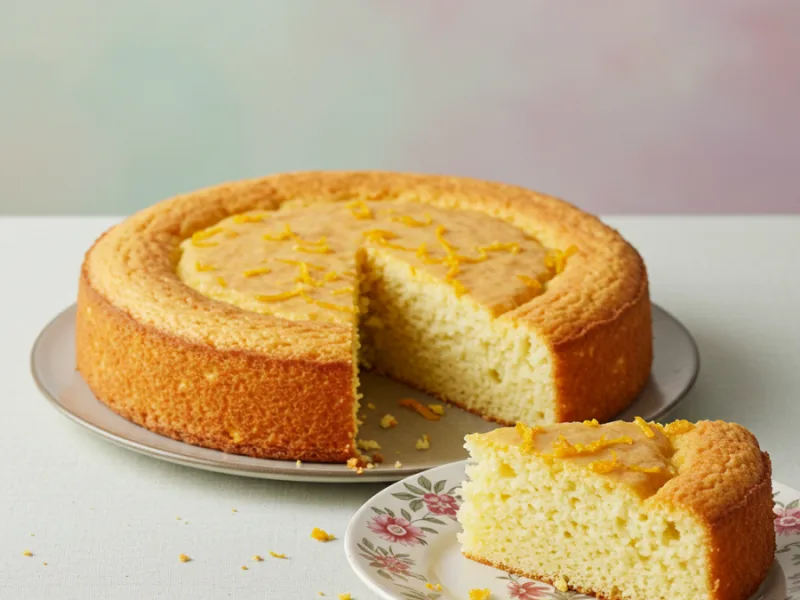
Base recipe: This recipe makes 8-10 servings, perfect for sharing with family and friends.
Your kitchen companion
Ingredients
Check off ingredients as you prepare them.
Follow the steps at your own pace.
Method
Preheat the oven to 175°C (350°F). Grease and flour a 23 cm (9-inch) round cake pan, or line it with parchment paper for easy removal.
Prepare the dry ingredients by whisking together the flour, baking powder, baking soda, and salt in a medium bowl. Set aside.
In a separate large mixing bowl, beat the eggs and sugar until the mixture is pale and slightly thickened.
Slowly add the vegetable oil while continuing to whisk until well combined.
Incorporate the Greek yogurt, vanilla extract, orange zest, lemon zest, orange juice, and lemon juice into the wet ingredients. Stir until smooth.
Gradually fold the dry ingredients into the wet mixture using a spatula or a whisk. Mix until just combined, ensuring there are no streaks of flour, but avoid overmixing.
Pour the batter into the prepared cake pan and smooth the surface with a spatula.
Bake for 40-45 minutes, or until a toothpick inserted in the center comes out clean. If necessary, cover the cake loosely with aluminum foil after 30 minutes to prevent excessive browning.
Remove from the oven and let the cake cool in the pan for 10 minutes before transferring it to a wire rack to cool completely.
Once cooled, dust the cake with powdered sugar or drizzle with warm honey before serving. Enjoy!
Extra technique, safety notes and details when you want to go deeper.
More tips & details
Classic Greek Yogurt Cake with a Citrus Twist
Moist, tender, and packed with flavor, this Greek Yogurt Cake is a true delight for any occasion. Made with rich Greek yogurt, fresh citrus zest, and a perfectly balanced sweetness, this cake offers a light yet indulgent texture that melts in your mouth. Whether enjoyed as a breakfast treat, an afternoon snack, or a delightful dessert, this recipe brings a taste of Mediterranean warmth to every bite.
A Cake That Combines Tradition and Freshness
Greek yogurt has been a staple ingredient in Mediterranean cuisine for centuries, celebrated for its creamy texture and tangy richness. When incorporated into a cake, it creates an ultra-moist crumb while adding a subtle tang that balances the sweetness. The addition of zesty citrus notes elevates the flavors, making this cake not only delicious but also refreshing and aromatic.
Perfectly paired with a cup of tea or coffee, this cake is incredibly versatile. It can be served plain, lightly dusted with powdered sugar, or enhanced with a drizzle of honey or a delicate citrus glaze. No matter how you choose to enjoy it, this recipe promises a delightful balance of sweetness and tartness that keeps you coming back for more.
Why You’ll Love This Greek Yogurt Cake
- Unbelievably Moist: The addition of Greek yogurt creates an exceptionally tender and moist crumb.
- Perfectly Balanced Flavors: A touch of citrus zest enhances the richness of the cake, adding freshness and complexity.
- Simple Ingredients, Maximum Flavor: Made with pantry staples, this cake is easy to whip up yet feels special with every bite.
- Naturally Lightened Texture: Greek yogurt replaces a portion of butter or oil, resulting in a cake that’s both flavorful and lighter.
- Versatile and Customizable: Enjoy it plain, glazed, or with fresh fruit for an extra burst of flavor.
A Taste of the Mediterranean in Every Bite
This cake is not just a treat for the taste buds—it’s an experience. The rich, creamy texture of Greek yogurt blends seamlessly with the bright, fragrant notes of citrus, creating a harmonious combination that feels both indulgent and refreshing. Every forkful offers a smooth, melt-in-your-mouth texture, making it a dessert that’s hard to resist.
It’s the kind of cake that brings people together—whether for a family gathering, an afternoon tea, or a quiet moment of indulgence. A slice of this Greek Yogurt Cake instantly transports you to a sun-drenched terrace overlooking the Aegean Sea, where simple, wholesome ingredients come together in the most delicious way.
The Perfect Cake for Any Occasion
Whether you’re a baking enthusiast or a beginner looking for a foolproof recipe, this Greek Yogurt Cake is a must-try. Its effortless preparation and unforgettable flavor make it a go-to dessert for any occasion. Serve it for brunch, as a light dessert, or simply as a treat to enjoy with your favorite hot drink.
Try this recipe today and discover why Greek yogurt makes all the difference in creating a cake that’s luxuriously soft, flavorful, and irresistibly good.
How to Customize and Perfect Your Classic Greek Yogurt Cake with a Citrus Twist
This Greek Yogurt Cake is a wonderfully moist and aromatic dessert that offers endless possibilities for customization. Whether you want to adjust the sweetness, experiment with different flavors, or make it even healthier, there are plenty of ways to modify this recipe while maintaining its irresistible texture and taste.
Choosing the Right Greek Yogurt for the Best Texture
Greek yogurt is the key ingredient in this cake, contributing to its rich, creamy texture and moist crumb. The type of yogurt you use can significantly impact the final result.
- Full-fat Greek yogurt (10% fat or more): Produces the richest, most indulgent texture, making the cake incredibly soft and tender.
- Low-fat Greek yogurt (2-5% fat): Results in a slightly lighter cake but still provides a good structure and moisture.
- Non-fat Greek yogurt: While still an option, it will make the cake a little less rich and slightly drier. To compensate, you can increase the oil slightly.
- Dairy-free yogurt alternatives: If you want to make the cake lactose-free, opt for coconut yogurt, soy yogurt, or almond-based Greek-style yogurt. These will slightly alter the flavor but still maintain the cake’s moistness.
Adjusting Sweetness Without Compromising Texture
The recipe calls for granulated sugar, but you can adjust the level of sweetness based on your preference.
- Reducing sugar: If you prefer a less sweet cake, reduce the sugar by 30-50 g (¼ cup). The cake will be less sweet but still retain its structure.
- Using honey or maple syrup: You can replace half the sugar with honey or maple syrup for a more natural sweetness. This will add moisture but may require an extra 1-2 tbsp of flour to keep the structure firm.
- Brown sugar substitution: Using light brown sugar instead of white sugar will make the cake slightly denser and add a hint of caramel flavor.
The Role of Citrus and How to Experiment with Different Flavors
The combination of orange and lemon zest gives this cake its signature brightness and freshness. However, there are several ways to modify the citrus profile for a different flavor experience.
- For a stronger citrus punch: Increase the zest and juice by about 50%. This will enhance the tangy and aromatic elements.
- For a milder citrus flavor: Reduce the citrus zest slightly and use a more neutral fruit juice, such as white grape or apple juice.
- Experimenting with different citrus fruits:
- Lime zest and juice: Adds a slightly sharper, tropical twist.
- Grapefruit zest and juice: Introduces a more bitter and complex citrus note.
- Mandarin zest and juice: Offers a milder, sweeter citrus balance.
Replacing Oil and How It Affects the Cake
Vegetable oil is responsible for the cake’s moist and tender texture, but you can use different types of fats to change the flavor and structure.
- Olive oil (mild or light): Adds a subtle fruity note and works well in Mediterranean-inspired desserts.
- Melted butter: Provides a richer flavor but results in a slightly firmer texture.
- Coconut oil: Adds a hint of coconut aroma, making the cake even more fragrant.
- Applesauce (for a lower-fat option): Replacing half the oil with unsweetened applesauce reduces the fat content while maintaining moisture, though the cake may be slightly denser.
Making the Cake More Nutritious
If you want to add more fiber, protein, or healthy fats, consider these simple swaps:
- Whole wheat flour: Replace up to 50% of the all-purpose flour with whole wheat flour to increase fiber while maintaining a tender crumb.
- Ground almonds or almond flour: Substitute ¼ cup (30 g) of flour with ground almonds for a nutty flavor and a softer texture.
- Chia or flaxseeds: Add 1 tbsp (7 g) of ground chia or flaxseeds for extra omega-3 fatty acids and fiber.
How to Modify the Texture for Different Preferences
This cake has a light, soft texture, but small changes can make it denser, fluffier, or more crumbly depending on your preference.
- For a fluffier cake:
- Beat the eggs and sugar for 3-4 minutes until pale and thick before adding other wet ingredients.
- Increase the baking powder by an extra ¼ teaspoon.
- For a denser, richer cake:
- Add an extra egg yolk to create a more custard-like consistency.
- Reduce the baking powder slightly to 1 teaspoon (5 g) instead of 1 ½ tsp.
- For a more crumbly texture:
- Use more almond flour or replace ½ cup (60 g) of flour with cornstarch for a finer crumb.
The Perfect Toppings to Enhance the Cake
While this cake is delicious on its own, a well-chosen topping can make it even more special.
- For a simple, elegant finish: Dust the cake with powdered sugar.
- For extra citrus flavor: Drizzle with a lemon or orange glaze made from powdered sugar and fresh juice.
- For a Mediterranean touch: Drizzle the cake with warm honey and sprinkle with chopped pistachios or almonds.
- For a creamy addition: Serve with a dollop of Greek yogurt or whipped cream.
How to Store and Keep the Cake Fresh
To keep the cake moist and fresh, follow these storage tips:
- Room temperature: Store in an airtight container for up to 3 days.
- Refrigerator: If stored in the fridge, wrap the cake in plastic wrap or place it in an airtight container to prevent drying out. It will last up to 5 days.
- Freezing: Wrap individual slices in plastic wrap and store in a freezer-safe bag for up to 2 months. Defrost at room temperature before serving.
Small Adjustments for Special Occasions
- For a festive version: Add ½ tsp cinnamon and a pinch of nutmeg for a warm spiced flavor.
- For a more luxurious dessert: Serve the cake with a citrus-infused mascarpone cream or a scoop of vanilla ice cream.
- For a brunch-friendly cake: Add ½ cup (75 g) of fresh blueberries or raspberries to the batter before baking.
This Classic Greek Yogurt Cake with a Citrus Twist is a versatile and customizable dessert that can be adapted to suit different tastes, dietary needs, and occasions. Whether you make it lighter, richer, fruitier, or more indulgent, the result will always be a beautifully moist and flavorful cake that brings a touch of Mediterranean sunshine to your table.
Recivelle · /recipe/classic-greek-yogurt-cake-citrus-twist