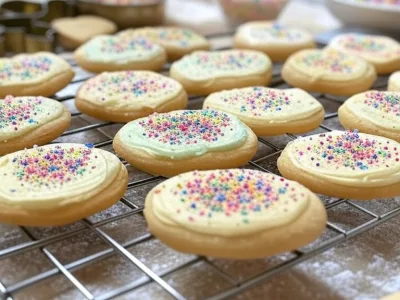
Base recipe: Makes approximately 24 cookies (depending on the size of the cutters).
Your kitchen companion
Ingredients
Check off ingredients as you prepare them.
Follow the steps at your own pace.
Method
Step 1: Prepare the Dough
In a mixing bowl, cream together the butter and granulated sugar until the mixture is light and fluffy. This takes about 2-3 minutes using an electric mixer on medium speed.
Add the egg and vanilla extract, mixing until well combined.
In a separate bowl, whisk together the flour, baking powder, and salt.
Gradually add the dry ingredients to the butter mixture, stirring just until combined. The dough should be soft but not sticky.
Step 2: Chill the Dough
Shape the dough into a disc, wrap it in plastic wrap, and refrigerate for at least 1 hour. This step helps the cookies hold their shape when baked.
Step 3: Roll and Cut
Preheat the oven to 180°C (350°F) and line a baking sheet with parchment paper.
Lightly flour a clean surface and roll out the dough to 5 mm (¼ inch) thickness.
Use cookie cutters to cut out desired shapes and carefully transfer them to the prepared baking sheet.
Step 4: Bake
Bake the cookies for 8-10 minutes or until the edges are lightly golden.
Let them cool on the baking sheet for 5 minutes, then transfer to a wire rack to cool completely.
Step 5: Prepare the Frosting
In a bowl, beat the softened butter until smooth.
Gradually add the powdered sugar, mixing on low speed until combined.
Add milk and vanilla extract, then beat until smooth and fluffy. If using food coloring, mix it in at this stage.
Step 6: Decorate the Cookies
Once the cookies are completely cooled, spread or pipe the frosting on top.
Add sprinkles or decorations as desired.
Allow the frosting to set for at least 30 minutes before serving.
Extra technique, safety notes and details when you want to go deeper.
More tips & details
There’s nothing quite like Classic Frosted Sugar Cookies—soft, buttery, and melt-in-your-mouth delicious. These cookies are the perfect treat for holidays, birthdays, or any celebration where a touch of sweetness is needed. With a rich, tender crumb and a luscious layer of frosting, they bring back childhood memories of festive baking and joyful gatherings. Whether you prefer simple vanilla frosting, colorful sprinkles, or intricate decorations, these sugar cookies offer endless customization options to match any occasion.
The Perfect Balance of Softness and Sweetness
One bite into these buttery sugar cookies, and you'll experience the perfect balance between crisp edges and a soft, chewy center. The secret lies in a well-chilled dough, ensuring each cookie holds its shape while baking. The light, sweet frosting adds an irresistible creaminess, making every bite truly indulgent.
These cookies are designed to be easy to roll out and cut into festive shapes, allowing you to create beautiful designs for Christmas, Easter, Valentine’s Day, or any special event. With a simple yet elegant frosting that sets perfectly, they stay soft for days, making them ideal for gifting or sharing at parties.
Why You’ll Love This Recipe
- Soft and Buttery Texture – These cookies have a melt-in-your-mouth consistency with a slightly crisp edge, making them truly addictive.
- Perfect for Decorating – Whether you prefer a classic smooth glaze or intricate royal icing designs, these cookies provide the perfect canvas.
- Easy to Make Ahead – The dough can be prepared in advance and stored for later, making holiday baking stress-free.
- Great for Any Occasion – Whether you’re making them for a festive event or just a cozy night in, these sugar cookies bring warmth and joy.
- Kid-Friendly Fun – This is a great recipe to make with children, allowing them to unleash their creativity with fun decorations.
The Secret to the Best Sugar Cookies
To achieve the perfect sugar cookie texture, it’s essential to use high-quality ingredients and follow the right techniques. Chilling the dough before rolling it out prevents spreading and ensures precise cookie shapes. Using a generous amount of butter guarantees a rich, flavorful bite, while just the right amount of vanilla extract adds a warm, comforting aroma.
When it comes to the frosting, a creamy, smooth texture is key. Whether you opt for a buttercream frosting or a simple glaze, the topping enhances the cookie’s flavor and makes them visually appealing. Adding a dash of food coloring and festive sprinkles can turn these cookies into a delightful treat for any celebration.
Bring Joy to Every Celebration
Imagine a plate of beautifully frosted sugar cookies, perfectly decorated and ready to be enjoyed with a hot cup of cocoa or a glass of milk. Whether you’re baking for a holiday cookie exchange, a birthday party, or just because, these cookies will bring a smile to everyone’s face.
So why not roll up your sleeves, gather your favorite cookie cutters, and start baking? With just a few simple ingredients and a little creativity, you can make classic frosted sugar cookies that taste as good as they look. Try this recipe today and create sweet memories with every bite!
How to Perfect Classic Frosted Sugar Cookies – Tips & Ingredient Variations
Classic Frosted Sugar Cookies are a timeless, buttery delight that can be customized in countless ways. Whether you’re looking to adjust the texture, enhance the flavor, or experiment with different ingredients, small tweaks can make a big difference. Below, you'll find expert baking tips, ingredient substitutions, and customization ideas to help you achieve the perfect sugar cookie every time.
Understanding the Role of Ingredients
Every ingredient in this sugar cookie recipe plays an essential role in creating the soft, melt-in-your-mouth texture and delicate sweetness. Making adjustments can alter the structure, flavor, and overall baking process.
The Impact of Flour on Texture
Flour is the foundation of sugar cookies. The amount and type of flour used will determine the cookie’s texture.
- All-purpose flour is the best choice for a balanced texture—tender but structured enough to hold its shape.
- Cake flour will create an extra-soft and delicate cookie, but it may spread more while baking.
- Bread flour has a higher protein content, which could result in chewier cookies. This is not ideal for traditional sugar cookies but can be useful for those who prefer a denser bite.
If you’re making gluten-free sugar cookies, use a gluten-free flour blend with xanthan gum. This will help maintain the dough's elasticity and prevent crumbling.
How Butter Affects Flavor and Texture
Butter adds richness and tenderness to sugar cookies. Using different types of butter will subtly change the final result:
- Unsalted butter provides better control over the salt level and a clean, pure buttery taste.
- Salted butter can add depth to the flavor but may require adjusting the added salt in the recipe.
- Browned butter (melted and cooked until golden brown) adds a nutty, caramel-like depth, perfect for a more sophisticated flavor.
- Vegan butter substitutes can be used, but they may slightly affect the texture. Stick with plant-based butter blocks rather than margarine for the best results.
Sugar: More Than Just Sweetness
The type of sugar used will impact the cookie’s texture and moisture content:
- Granulated sugar is the standard choice, resulting in a light and crisp exterior with a soft center.
- Powdered sugar will yield a more delicate, melt-in-the-mouth texture, perfect for ultra-soft cookies.
- Brown sugar contains molasses, making the cookies moister and chewier, with a hint of caramel flavor.
- Coconut sugar can be used for a less refined option, adding a slight toffee undertone.
For a sugar-free version, substitute with erythritol or a granulated monk fruit sweetener, but note that the cookies may not brown as much.
How Eggs and Dairy Influence the Dough
Eggs contribute structure and richness to sugar cookies:
- 1 whole egg provides moisture and helps bind the ingredients.
- Egg yolks only result in richer, more tender cookies with a softer bite.
- Egg whites will make cookies slightly crispier and lighter.
For an egg-free version, use a flax egg (1 tablespoon ground flaxseed + 3 tablespoons water) or applesauce (60 g / ¼ cup) to maintain moisture.
Dairy is also crucial for the softness and flavor of the cookies:
- Milk or cream is used in frosting for a silky consistency.
- Sour cream or Greek yogurt can replace a portion of the butter to create extra soft, slightly tangy cookies.
- Dairy-free milk (almond, oat, coconut) can be used in frosting, but it may slightly alter the flavor and texture.
Baking Techniques for Perfect Sugar Cookies
Achieving the ideal sugar cookie texture depends on how you mix, chill, and bake the dough.
Mixing the Dough Properly
- Creaming butter and sugar until fluffy incorporates air, resulting in lighter cookies.
- Over-mixing the dough after adding flour can lead to tough cookies due to excess gluten development.
- Mixing by hand instead of using an electric mixer can prevent overworking the dough.
Chilling the Dough: Why It’s Essential
Chilling sugar cookie dough is non-negotiable if you want cookies that hold their shape.
- Refrigerating for at least 1 hour prevents the dough from spreading too much.
- Chilling overnight deepens the flavor and improves texture.
- If you're short on time, place the dough in the freezer for 20-30 minutes for a quicker chill.
Rolling and Cutting the Dough
- Roll the dough to 5 mm (¼ inch) thickness for soft cookies.
- For extra crisp cookies, roll the dough slightly thinner (3 mm / ⅛ inch).
- To prevent sticking, lightly flour the rolling pin and surface, but don’t overdo it, or the dough may become too dry.
Baking to Perfection
- Bake at 180°C (350°F) for 8-10 minutes until the edges are just set.
- Let cookies rest on the baking sheet for 5 minutes before transferring them to a wire rack. This prevents breakage.
- If you prefer chewier cookies, remove them from the oven when the center still looks slightly underbaked.
Customizing the Frosting for Different Flavors
Frosting is what elevates sugar cookies from simple to spectacular. Here are some variations you can try:
Different Frosting Textures
- Classic buttercream frosting (butter + powdered sugar + milk) is rich and creamy, perfect for spreading.
- Royal icing (powdered sugar + egg whites or meringue powder) dries to a smooth, glossy finish, ideal for detailed decorations.
- Glaze icing (powdered sugar + milk) creates a light, shiny coating that sets but stays soft.
Flavor Enhancements
- Almond extract adds a sweet, nutty note.
- Lemon or orange zest gives the frosting a bright, citrusy lift.
- Espresso powder pairs beautifully with vanilla cookies for a subtle coffee flavor.
Decorating Tips for Stunning Sugar Cookies
- Use piping bags for precise designs.
- Add sprinkles or edible glitter while the frosting is still wet.
- Let frosting set for at least 30 minutes before stacking cookies to avoid smudging.
Classic Frosted Sugar Cookies are versatile, elegant, and perfect for any occasion. By tweaking butter, sugar, flour, eggs, and frosting, you can create different textures and flavors to suit your preferences. Whether you love ultra-soft cookies, crisp edges, or rich buttery flavors, these tips will help you master the art of sugar cookie baking.
Try experimenting with different ingredient substitutions and decorations, and enjoy the process of making these timeless treats your own!
Recivelle · /recipe/classic-frosted-sugar-cookies