Base recipe: 4
Your kitchen companion
Ingredients
Check off ingredients as you prepare them.
Follow the steps at your own pace.
Method
Prepare the croutons: Preheat the oven to 180°C (350°F). Toss the cubed bread with olive oil, garlic powder, salt, and black pepper. Spread evenly on a baking sheet and bake for 10 minutes or until golden brown and crispy. Let them cool.
Make the dressing: In a bowl, whisk the egg yolks, Dijon mustard, garlic, anchovies, lemon juice, and Worcestershire sauce until smooth. Slowly drizzle in the olive oil while whisking vigorously to create an emulsified dressing. Stir in grated Parmesan, salt, and black pepper.
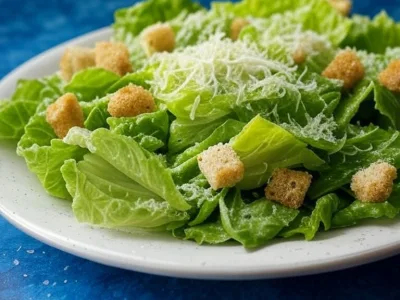
Assemble the salad: In a large bowl, combine chopped romaine lettuce and prepared croutons. Drizzle the dressing over the salad and toss gently to coat all ingredients evenly.
Final touch: Sprinkle shaved Parmesan over the salad before serving. Optionally, add grilled chicken or shrimp for extra protein.
Extra technique, safety notes and details when you want to go deeper.
More tips & details
The Best Homemade Caesar Salad with a Rich and Creamy Dressing
The Origins and Timeless Appeal of Caesar Salad
Caesar salad is a beloved classic that has stood the test of time, offering a perfect balance of crisp romaine lettuce, crunchy croutons, and a rich, savory dressing. This dish has earned its place as a staple on restaurant menus and in home kitchens worldwide. While many variations exist, nothing quite compares to the authentic flavors of a homemade Caesar salad made from fresh, high-quality ingredients.
The origins of this legendary salad date back to the 1920s, when Caesar Cardini, an Italian-American restaurateur, created it in his Tijuana restaurant. Legend has it that Cardini improvised the dish using simple pantry ingredients, tossing them together tableside for a dramatic presentation. The result was a flavor-packed salad that quickly gained popularity and remains one of the most requested dishes in the culinary world.
The Signature Elements of an Authentic Caesar Salad
A well-made Caesar salad relies on a few essential components, each playing a vital role in achieving its signature taste and texture.
Crisp Romaine Lettuce
The foundation of a great Caesar salad is fresh, crisp romaine lettuce, known for its mild flavor and sturdy texture. Unlike other leafy greens, romaine holds up well against the creamy dressing, providing the perfect crunch and freshness in every bite.
Golden, Crunchy Croutons
Homemade croutons add a satisfying crunch and a hint of toasted flavor to the salad. Made from day-old bread, olive oil, and a touch of garlic, these croutons absorb the dressing without becoming soggy, ensuring an enjoyable contrast to the soft lettuce.
The Iconic Caesar Dressing
The heart of a Caesar salad lies in its rich, velvety dressing, which combines umami-rich anchovies, fresh garlic, egg yolks, Dijon mustard, lemon juice, and Parmesan cheese. The result is a creamy, tangy, and deeply savory dressing that coats every leaf with an irresistible burst of flavor.
Freshly Grated Parmesan Cheese
A generous sprinkle of aged Parmesan cheese elevates the salad, adding a nutty, salty depth that complements the dressing beautifully. The key is to use high-quality Parmigiano-Reggiano or another aged variety for the best flavor.
Why Homemade Caesar Salad is Better Than Store-Bought
While pre-packaged Caesar salad kits may offer convenience, they often lack the depth of flavor and freshness that a homemade version delivers. Making your own Caesar salad from scratch allows you to control the quality of ingredients, adjust the flavors to your preference, and avoid unnecessary preservatives.
Key benefits of making Caesar salad at home:
- Superior freshness – Crisp lettuce, homemade croutons, and a freshly whisked dressing create an unparalleled taste.
- Customizable flavors – Adjust the garlic, lemon, or anchovy levels to suit your taste preferences.
- No artificial additives – Enjoy a pure, wholesome salad made from real ingredients.
Serving Ideas and Pairing Suggestions
Caesar salad is incredibly versatile and can be served as a light appetizer, a satisfying side dish, or even a main course when topped with protein. Here are a few delicious ways to enjoy it:
Classic Caesar Salad as a Starter
Served as a first course, Caesar salad sets the stage for a delicious meal. It pairs beautifully with grilled meats, seafood, or pasta dishes, making it a perfect beginning to an elegant dinner.
Make It a Meal with Protein
For a more substantial dish, top the salad with grilled chicken, shrimp, salmon, or even steak. The creamy dressing enhances the savory flavors of the protein, creating a hearty and well-balanced meal.
Perfect Pairings with Soups and Sandwiches
A smaller portion of Caesar salad makes a great side dish for soups like tomato bisque, minestrone, or French onion soup. It also complements sandwiches, such as grilled cheese, paninis, or turkey clubs, adding a fresh, crisp contrast to the meal.
Pro Tips for the Best Caesar Salad
To take your homemade Caesar salad to the next level, follow these expert tips for maximum flavor and texture:
Use Fresh, High-Quality Ingredients
- Opt for whole romaine hearts for the crispest and freshest leaves.
- Choose real Parmigiano-Reggiano rather than pre-grated cheese for the best flavor.
- Use high-quality olive oil and fresh lemon juice for a more vibrant dressing.
Make the Dressing from Scratch
- Blend the dressing for a silky-smooth consistency, or whisk it by hand for a more rustic texture.
- Let the flavors meld by refrigerating the dressing for at least 30 minutes before serving.
Toast the Croutons to Perfection
- Use artisanal bread like sourdough or a French baguette for the best texture.
- Bake croutons at a low temperature (around 150°C) to ensure even crispiness without burning.
Elevate Your Salad with Creative Variations
While the classic Caesar salad is a masterpiece on its own, there are many exciting ways to put a unique twist on this dish.
Spicy Caesar Salad
For a bolder kick, add a pinch of red pepper flakes to the dressing or drizzle the salad with spicy sriracha-infused olive oil.
Avocado Caesar Salad
Add creamy sliced avocado for extra richness and a boost of heart-healthy fats.
Kale Caesar Salad
Swap romaine for tender, massaged kale leaves to create a nutrient-packed version of the salad.
Greek Yogurt Caesar Dressing
For a lighter option, replace the egg yolks and some of the oil with Greek yogurt, maintaining a creamy texture with fewer calories.
The Ultimate Caesar Salad Experience
A homemade Caesar salad delivers a perfect balance of creamy, crunchy, and savory elements, making it an unforgettable dish for any occasion. Whether served as a simple appetizer, a refreshing side, or a hearty main course with protein, it remains one of the most cherished and versatile salads in culinary history.
By preparing this salad from scratch, you can fully appreciate the depth of its flavors, experiment with creative variations, and serve a restaurant-quality dish in your own kitchen.
Elevating the Classic Caesar Salad with Flavorful Enhancements
Customizing Ingredients for a Unique Twist
The classic Caesar salad is well-loved for its balanced flavors and creamy texture, but small modifications can take it to the next level. Whether you want to make it more flavorful, healthier, or simply give it a creative spin, there are many ways to improve this dish while maintaining its signature appeal.
Enhancing the Dressing for a Richer Taste
The Caesar dressing is the soul of the salad, and tweaking it slightly can make a huge difference in taste and consistency.
- Adding roasted garlic instead of raw garlic provides a milder, slightly sweet depth of flavor, removing the harshness of fresh garlic while enhancing the umami notes.
- Experimenting with anchovy quantity allows you to control the saltiness and depth of flavor. For a more pronounced umami taste, increase the anchovy content slightly. If you prefer a milder version, reduce it or use Worcestershire sauce as an alternative.
- Using a combination of oils instead of only olive oil can create a more balanced flavor. A mix of extra virgin olive oil and avocado oil results in a silky texture without overpowering bitterness.
Choosing the Right Cheese for Maximum Flavor
Parmesan is a fundamental component of a great Caesar salad, but upgrading the cheese can enhance the dish even further.
- Aged Parmigiano-Reggiano has a more pronounced nutty and salty profile, adding extra depth.
- Pecorino Romano is a sharper, slightly saltier alternative that intensifies the overall taste.
- Grana Padano offers a milder, creamier alternative for those who prefer a more subtle cheese presence.
Avoiding Common Mistakes When Preparing Caesar Salad
Even with the best ingredients, a Caesar salad can fall short if certain mistakes are made during preparation. Here are the most common pitfalls and how to avoid them:
Using Pre-Packaged Croutons
Store-bought croutons lack the freshness and texture of homemade ones. Instead, use day-old sourdough, baguette, or ciabatta to make your own. Toss them in olive oil, garlic, and seasoning, then bake them for maximum crunch and flavor.
Overdressing the Salad
One of the biggest mistakes in preparing Caesar salad is adding too much dressing, which can make the lettuce soggy. Instead, start with a light coating and gradually add more if needed. Tossing the salad in a chilled bowl helps distribute the dressing evenly without drenching the greens.
Skipping the Emulsification Process in the Dressing
For a creamy, well-balanced Caesar dressing, it’s crucial to slowly drizzle the oil into the other ingredients while whisking constantly. This technique ensures proper emulsification, preventing the dressing from separating and becoming too oily.
Healthier Alternatives for a Nutritious Caesar Salad
While the traditional Caesar salad is delicious, there are several ways to make it healthier without sacrificing taste.
Replacing Mayonnaise or Egg Yolks
For a lighter dressing, swap the egg yolks for:
- Greek yogurt, which provides a creamy texture with additional protein and probiotics.
- Avocado, offering a rich, buttery texture while adding healthy fats.
Using a Lighter Cheese Option
Instead of full-fat Parmesan, consider:
- Nutritional yeast as a dairy-free alternative that maintains a cheesy, umami-rich taste.
- Low-fat Parmesan to reduce the saturated fat content.
Making a Low-Carb or Gluten-Free Version
- Replace croutons with toasted almonds, walnuts, or pumpkin seeds for added crunch without the extra carbs.
- Use grilled vegetables like zucchini chips instead of croutons for a more nutrient-dense option.
Creative Variations for a More Exciting Dish
For those looking to add a modern touch to this classic recipe, there are plenty of ways to make it more exciting and tailored to different dietary needs.
Adding Protein for a More Filling Meal
A traditional Caesar salad is often served as a side dish, but adding protein can transform it into a satisfying main course.
- Grilled chicken is a classic pairing that enhances the dish with a smoky, savory flavor.
- Seared salmon or shrimp add a rich, slightly sweet contrast to the creamy dressing.
- Crispy chickpeas or tofu offer a plant-based protein alternative while providing crunch and texture.
Incorporating Fresh Greens for a More Nutrient-Dense Salad
Romaine lettuce is essential for the authentic taste, but mixing in other greens can increase the nutrient profile.
- Kale adds more fiber, antioxidants, and a heartier texture.
- Spinach provides additional iron, folate, and vitamins without altering the taste too much.
- Arugula contributes a peppery kick that enhances the dressing’s tangy notes.
Experimenting with Dressing Variations
For a unique spin on the traditional dressing, try these creative alternatives:
- Spicy Caesar dressing: Add a dash of hot sauce, cayenne pepper, or chipotle powder for an extra kick.
- Lemon herb dressing: Blend in fresh basil, parsley, or cilantro for a refreshing twist.
- Tahini-based dressing: Swap the egg yolks for tahini, giving the dressing a nutty, creamy depth.
The Advantages of Making Caesar Salad at Home
Preparing Caesar salad from scratch ensures better flavor, control over ingredients, and a fresher final dish. Here’s why homemade is always the better choice:
- No artificial preservatives: Store-bought dressings often contain unnecessary additives and stabilizers, whereas homemade dressing is pure and natural.
- Better ingredient quality: You can choose organic, fresh ingredients, ensuring a more flavorful and nutrient-rich salad.
- Customizable taste: Making it yourself allows for adjustments to saltiness, creaminess, and acidity, giving you full control over the balance of flavors.
Making the Perfect Caesar Salad Every Time
To achieve the best Caesar salad, keep these final tips in mind:
- Always use fresh, crisp romaine lettuce to prevent a limp, unappealing texture.
- Make the dressing at least 30 minutes in advance to allow the flavors to develop.
- Toast croutons at a lower temperature for longer to achieve the perfect crunch without burning.
- Use a high-quality cheese grater to ensure fine, even Parmesan shavings that melt beautifully into the dressing.
By implementing these small yet effective improvements, your Caesar salad will stand out, offering an elevated dining experience that surpasses any restaurant version.
Recivelle · /recipe/classic-caesar-salad-recipe