Base recipe: 8
Your kitchen companion
Ingredients
Check off ingredients as you prepare them.
Follow the steps at your own pace.
Method
Prepare the dough: In a large bowl, combine flour, sugar, and salt. Add cold butter cubes and mix with fingertips or a pastry cutter until the mixture resembles coarse crumbs. Gradually add ice-cold water, one tablespoon at a time, mixing until the dough comes together. Divide into two equal portions, wrap in plastic wrap, and refrigerate for 30 minutes.
Prepare the filling: In a large bowl, mix sliced apples with sugar, brown sugar, cornstarch, cinnamon, nutmeg, cloves, lemon juice, and vanilla extract. Let the mixture sit for 15 minutes, allowing the apples to release their juices.
Roll out the dough: Lightly flour a surface and roll out one portion of the dough into a 30 cm (12-inch) circle. Fit it into a 23 cm (9-inch) pie dish, trimming any excess.
Assemble the pie: Pour the apple filling into the crust, spreading it evenly. Roll out the second portion of dough and place it over the filling. Trim, seal, and crimp the edges. Cut small slits on the top to allow steam to escape.
Bake the pie: Brush the crust with beaten egg and sprinkle with granulated sugar. Bake in a preheated oven at 190°C (375°F) for 50 minutes, or until the crust is golden brown and the filling is bubbling.
Cool and serve: Let the pie cool for at least 2 hours before slicing to allow the filling to set. Serve warm or at room temperature, optionally with a scoop of vanilla ice cream.
Extra technique, safety notes and details when you want to go deeper.
More tips & details
The Perfectly Baked Delight: A Classic American Apple Pie
A Taste of Tradition in Every Bite
Few desserts are as timeless and beloved as a Classic American Apple Pie. This quintessential homemade treat has been gracing family tables for centuries, bringing warmth, nostalgia, and irresistible flavors to every gathering. With its golden, flaky crust and lusciously spiced apple filling, this pie captures the essence of comforting home baking. Whether enjoyed fresh out of the oven with a scoop of creamy vanilla ice cream or savored the next day with a cup of coffee, its delightful balance of sweetness and tartness makes it an unforgettable dessert.
A Recipe Passed Down Through Generations
Apple pie holds a special place in American culinary history, dating back to early settlers who adapted their traditional European recipes to incorporate locally available apples. Over time, it evolved into the iconic dessert we know today, symbolizing warmth, togetherness, and celebration. Whether served during the holidays, at summer picnics, or as an everyday indulgence, this homemade pie is always a welcome treat.
The key to an exceptional apple pie lies in selecting the right apples. A combination of tart and sweet varieties, such as Granny Smith, Honeycrisp, or Braeburn, ensures the perfect flavor contrast and prevents the filling from becoming overly sugary. Aromatic spices like cinnamon, nutmeg, and cloves enhance the natural sweetness of the fruit, while a touch of lemon juice adds a subtle brightness.
Crafting the Perfect Buttery Crust
A well-made pie crust is just as important as the filling. The hallmark of a classic apple pie is a buttery, flaky crust that encases the tender apple filling without becoming soggy. Achieving the ideal texture requires high-quality butter, cold water, and the right technique. The dough must be handled gently to maintain its delicate layers, resulting in a crisp, melt-in-your-mouth bite with every forkful.
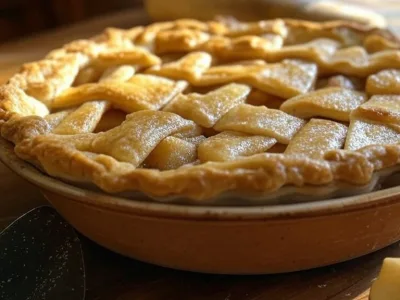
For added visual appeal, many bakers opt for a beautiful lattice crust, allowing the filling to peek through the woven pastry strips. Others prefer a solid top crust with elegant slits, creating a more rustic and homey presentation. A light egg wash brushed over the top before baking ensures a beautifully golden, glossy finish.
The Secret to a Perfectly Balanced Apple Filling
While the crust provides the perfect base, the heart of an apple pie is its succulent, spiced apple filling. Achieving the right consistency is crucial—apples should be tender yet slightly firm, retaining their texture rather than turning into mush. To achieve this, some bakers choose to pre-cook the apples lightly before assembling the pie, ensuring an even bake and preventing excess moisture from softening the crust.
A well-balanced filling should highlight the natural sweetness and tanginess of the apples while complementing them with warm spices and just the right amount of sugar. Brown sugar adds depth, while granulated sugar ensures the filling caramelizes beautifully. A touch of cornstarch or flour helps thicken the juices, creating a rich, syrupy consistency that clings to every slice.
The Ultimate Baking and Serving Experience
Once assembled, the pie is baked to golden perfection, filling the kitchen with an irresistible aroma of cinnamon and caramelized apples. The baking process allows the filling to bubble gently, melding the flavors and creating the perfect harmony of textures—a crisp crust, tender apples, and a glossy, spiced syrup binding it all together.
Allowing the pie to cool slightly before slicing ensures that the filling sets properly, preventing it from spilling out. Served warm with a generous scoop of vanilla ice cream or a dollop of freshly whipped cream, each bite melts in your mouth, creating a truly heavenly experience.
Why Homemade Apple Pie is Always the Best
While store-bought pies may offer convenience, nothing compares to the love and care poured into a homemade apple pie. Every step, from rolling out the dough to layering the apples, contributes to a uniquely personal and rewarding experience. Baking an apple pie from scratch allows for customization—adjusting the sweetness, experimenting with different apple varieties, or adding a hint of extra spice to suit personal preferences.
Beyond its delicious taste, a homemade apple pie carries a deeper meaning. It represents tradition, family bonding, and the joy of sharing a handcrafted dessert. Whether baked for a special occasion or simply as a comforting treat, this classic pie is a true testament to the beauty of home baking.
A Timeless Dessert for Every Occasion
A Classic American Apple Pie is more than just a dessert—it’s a symbol of warmth, nostalgia, and the joy of simple ingredients coming together in perfect harmony. With its flaky crust, tender apple filling, and fragrant spices, this pie is the ultimate comfort food. Whether baked for a family gathering, a festive holiday, or a cozy weekend treat, it brings smiles to everyone who takes a bite.
From the first slice to the last crumb, this homemade apple pie is an experience to be savored and shared, proving that some traditions are simply too delicious to fade away.
Enhancing the Classic Apple Pie for a More Flavorful Experience
Choosing the Best Apples for Depth of Flavor
One of the easiest ways to elevate the flavor of a classic apple pie is by carefully selecting the apples. A blend of different varieties enhances complexity, balancing sweetness, tartness, and texture. Using only one type of apple can result in a flat or overly sweet filling, while a mix creates a more dynamic taste experience.
- For more tartness: Add Granny Smith apples, which provide a sharp contrast to the sugar and spices.
- For natural sweetness: Use Honeycrisp or Fuji apples, which reduce the need for added sugar while enhancing the fruity aroma.
- For a softer texture: Include Golden Delicious or McIntosh apples, which break down more during baking, giving the filling a luscious consistency.
- For extra depth: A small amount of Pink Lady or Braeburn apples introduces floral and citrus notes, making the filling more aromatic.
A well-balanced filling should contain at least two varieties, ensuring flavor complexity and texture contrast in every bite.
Enhancing the Crust for a Flakier, More Buttery Texture
A pie crust is just as important as the filling, and minor adjustments can result in a crispier, flakier, and richer texture.
- Use high-fat butter: European-style butter, with a higher butterfat content, creates a more buttery and tender crust.
- Incorporate a touch of vinegar: Adding 5 ml (1 tsp) of apple cider vinegar to the dough prevents excessive gluten formation, leading to a more tender and flaky crust.
- Replace some water with vodka: Using 30 ml (2 tbsp) of vodka instead of water helps hydrate the dough without developing gluten, making it softer and easier to roll out.
- Use half butter, half shortening: While butter provides flavor, shortening creates a lighter and crispier texture. A 50/50 mix of both results in a well-balanced crust.
- Chill everything: Keeping butter, flour, and even the mixing bowl cold prevents the dough from becoming too soft, ensuring distinct flaky layers when baked.
Adjusting the Sweetness and Spices for a More Aromatic Filling
Traditional apple pie recipes rely on a blend of sugar and cinnamon, but incorporating additional spices and alternative sweeteners enhances the depth of flavor.
- Reduce sugar and use maple syrup or honey: Swapping half of the granulated sugar for maple syrup or raw honey adds a more complex caramel-like sweetness and earthy undertones.
- Add a pinch of salt: A tiny amount of salt (just 1 g or ¼ tsp) balances the sweetness and highlights the natural fruitiness of the apples.
- Enhance spice blends: Instead of just cinnamon, try adding:
- ½ tsp cardamom for a citrusy floral note
- ¼ tsp allspice for a deeper warmth
- ¼ tsp ground ginger for a hint of spice
- A touch of vanilla extract or almond extract to elevate the aroma
Using freshly ground spices instead of pre-ground varieties results in a more vibrant, fragrant filling.
Preventing a Soggy Bottom Crust
A common frustration with homemade apple pies is a soggy bottom crust. Several techniques help prevent this issue and ensure a crisp, well-baked base.
- Use a metal or ceramic pie dish: Glass pie plates retain moisture, leading to a softer bottom, whereas metal and ceramic distribute heat more evenly.
- Pre-bake (blind bake) the crust: Partially baking the bottom crust before adding the filling creates a barrier, reducing sogginess.
- Sprinkle a layer of cornstarch or ground nuts: Dusting the unbaked crust with 5 g (1 tsp) of cornstarch, ground almonds, or semolina absorbs excess moisture from the apple juices.
- Brush with egg white or melted butter: Coating the bottom crust before filling seals it, making it more resistant to soaking up liquid.
Healthier Alternatives for a More Nutritious Apple Pie
Traditional apple pie is indulgent, but small adjustments make it healthier without sacrificing flavor.
- Whole wheat crust: Replacing half of the all-purpose flour with whole wheat flour increases fiber and adds a nuttier taste.
- Less sugar, more natural sweeteners: Using coconut sugar, maple syrup, or honey lowers refined sugar content while maintaining sweetness.
- Oats for texture: Mixing 30 g (¼ cup) of oats into the top crust adds extra fiber and crunch.
- Coconut oil instead of butter: For a dairy-free alternative, coconut oil works well in the crust, though it adds a subtle coconut flavor.
- Flaxseed for egg replacement: A mix of 1 tbsp ground flaxseed + 3 tbsp water works as an egg substitute for the crust wash.
Common Mistakes to Avoid
Even experienced bakers make errors that can affect the final texture, flavor, and presentation of their apple pie. Avoiding these mistakes leads to a more balanced and well-structured pie.
- Using the wrong apples: Some apples turn mushy during baking. Avoid Red Delicious or Gala apples, as they lack the firmness needed for a good filling.
- Overloading the pie with filling: While generous portions are tempting, too much filling can cause excess liquid, leading to a runny filling and a collapsed crust.
- Not letting the pie cool properly: Cutting the pie too soon causes the filling to spill out. Let it cool for at least 2 hours to ensure a thicker, more cohesive texture.
- Overworking the dough: Kneading or rolling the dough too much develops gluten, resulting in a tough, chewy crust instead of a flaky, tender one.
- Baking at the wrong temperature: Apple pie needs an initial high temperature (190°C or 375°F) to create a crisp crust, followed by a slightly lower temperature (175°C or 350°F) to cook the filling evenly.
Why Homemade Apple Pie is Superior to Store-Bought
While store-bought pies may be convenient, homemade apple pie offers superior quality, control over ingredients, and a fresher taste.
- No preservatives or artificial ingredients: Commercially made pies often contain additives, artificial flavors, and excess sugar. Homemade versions use real butter, fresh apples, and natural spices.
- Customizable to taste preferences: You can adjust spices, sweetness, and texture to suit personal preferences, creating a more personalized experience.
- Better texture and freshness: Store-bought pies are pre-baked and can become soggy or overly sweet, while homemade pies have a crisp crust and a freshly spiced filling.
- Baking as an experience: Making an apple pie from scratch is rewarding, nostalgic, and a great way to connect with family traditions.
Small adjustments, from choosing the right apples to perfecting the crust and balancing the flavors, can transform a traditional apple pie into a truly exceptional dessert. Whether you prefer a more buttery crust, a healthier version, or an extra-spiced filling, experimenting with ingredients and techniques allows for endless possibilities.
By applying these improvements, you can create a flavor-packed, perfectly textured apple pie that surpasses the classic version while maintaining its comforting and nostalgic essence.
Recivelle · /recipe/classic-american-apple-pie