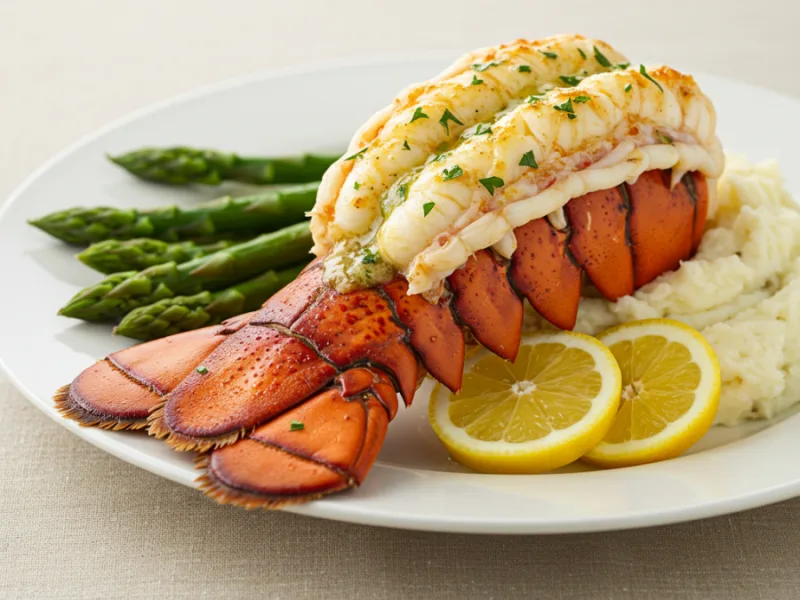
Base recipe: This recipe makes 2 servings.
Your kitchen companion
Ingredients
Check off ingredients as you prepare them.
Follow the steps at your own pace.
Method
1. Prepare the Lobster Tails
Using kitchen scissors, cut down the center of the shell from the open end to the tail. Be careful not to cut into the meat. Gently pull the shell apart and use your fingers to loosen the lobster meat, lifting it out slightly while keeping it attached at the base. Rest the meat on top of the shell for an elegant presentation.
2. Make the Garlic Butter Sauce
In a small bowl, mix together melted butter, minced garlic, lemon juice, smoked paprika, salt, and black pepper. Stir well to combine.
3. Brush the Lobster Meat
Place the prepared lobster tails on a baking sheet lined with parchment paper or a greased baking dish. Brush each lobster tail generously with the garlic butter mixture, ensuring the flavors soak into the meat.
4. Bake the Lobster
Preheat your oven to 220°C (425°F). Bake the lobster tails in the preheated oven for 10-12 minutes, or until the meat turns opaque and reaches an internal temperature of 60°C (140°F).
5. Broil for a Golden Finish (Optional)
For extra flavor and a slight crisp on top, switch the oven to broil mode for the last 1-2 minutes. Keep a close eye on the tails to prevent burning.
6. Garnish and Serve
Remove the lobster tails from the oven and sprinkle with fresh parsley. Serve immediately with lemon wedges and additional melted butter for dipping.
Extra technique, safety notes and details when you want to go deeper.
More tips & details
Baked Lobster Tail Recipe: A Luxurious Seafood Delight
There's nothing quite like the delicate, buttery flavor of lobster tails baked to perfection. Whether you're preparing a romantic dinner, celebrating a special occasion, or simply craving a restaurant-quality meal at home, this baked lobster tail recipe delivers an unforgettable experience. With tender, succulent meat infused with garlic butter and fresh herbs, every bite melts in your mouth, offering a rich and decadent flavor.
Unlike boiling or steaming, baking enhances the natural sweetness of lobster while keeping it incredibly juicy. The high heat allows the garlic butter to seep into every fiber of the meat, creating an irresistible golden, slightly crispy top with a velvety, melt-in-your-mouth texture inside. Best of all, this recipe is simple enough for home cooks of all levels while offering gourmet results worthy of a fine dining experience.
Why You’ll Love This Baked Lobster Tail Recipe
There are many reasons why this easy baked lobster tail recipe is a must-try:
- Restaurant-Quality at Home – Impress your guests or treat yourself to a luxury dish without the restaurant price tag.
- Quick and Easy Preparation – No need for complicated techniques—this recipe is foolproof and ready in under 30 minutes.
- Rich, Buttery Flavor – The combination of garlic butter, lemon juice, and fresh herbs elevates the natural taste of the lobster.
- Perfect Texture – Baking keeps the meat juicy while giving the top a slight caramelization for extra depth of flavor.
- Versatile and Elegant – Serve with roasted vegetables, creamy mashed potatoes, or a crisp salad for a complete meal.
Whether you’re a seafood lover or trying lobster tails for the first time, this recipe will make you fall in love with their silky, tender texture and indulgent taste.
The Secret to Perfectly Baked Lobster Tails
Achieving the perfect baked lobster tails comes down to a few essential techniques:
- Butterflied Lobster Tails – Cutting the shell and gently pulling the meat over the top ensures even cooking and an impressive presentation.
- Garlic Butter Baste – A luscious mix of melted butter, minced garlic, paprika, and fresh parsley enhances the lobster’s flavor.
- Optimal Baking Temperature – Baking at 220°C (425°F) allows the meat to cook through without drying out.
- Broiling Finish – A quick broil at the end gives the tails a golden, slightly crisp exterior while locking in moisture.
By following these steps, you’ll achieve tender, juicy lobster tails every time—no overcooking, no dryness, just perfectly baked seafood with a rich, buttery glaze.
The Ultimate Special Occasion Meal
Lobster tails are often associated with luxury dining, but with this easy recipe, you can enjoy them any time. Whether it’s Valentine’s Day, an anniversary, a dinner party, or a holiday feast, this dish brings an air of elegance to your table. Pair it with a glass of crisp white wine, a side of garlic butter asparagus, or a fresh green salad, and you have a meal that’s both sophisticated and satisfying.
Even if you're cooking for yourself, why not indulge in something extraordinary? Cooking great food isn’t just about taste—it’s about creating moments that make every bite special.
Ready to Make the Best Baked Lobster Tail?
Now that you know all the secrets to creating the most flavorful, tender, and buttery lobster tails, it's time to bring this dish to life in your own kitchen. Whether you're an experienced cook or just starting out, this recipe will help you achieve perfection with minimal effort.
Get your ingredients ready, preheat your oven, and let’s create a dish that will leave everyone at the table wanting more!
How to Customize and Enhance Your Baked Lobster Tail Recipe
Baked lobster tail is already a luxurious and flavorful dish, but small adjustments to ingredients and cooking techniques can take it to the next level. Whether you want to intensify the richness, balance the flavors, or experiment with new variations, there are plenty of ways to tweak this recipe. Here’s how different ingredient swaps and cooking methods can influence the final result.
Choosing the Right Lobster Tails
Not all lobster tails are the same, and selecting the best quality will significantly impact the flavor and texture.
- Cold-Water Lobster vs. Warm-Water Lobster
Cold-water lobster tails, typically sourced from Maine or Canada, have a sweeter, firmer texture with a more delicate flavor. Warm-water lobster tails, often from the Caribbean or South America, tend to have a mushier texture and can sometimes develop an ammonia-like taste if not fresh.
- Fresh vs. Frozen Lobster Tails
Fresh lobster tails are ideal, but high-quality frozen tails can still deliver excellent results if thawed properly. To preserve tenderness, thaw them in the refrigerator overnight instead of using warm water or a microwave, which can partially cook the meat and alter its texture.
Alternative Cooking Methods and Their Impact
If you love the flavor of baked lobster tails but want to experiment with different cooking techniques, here’s how they compare:
- Broiling – This method uses high heat from above to create a slightly charred surface while keeping the inside moist. Broiling for the last 1-2 minutes after baking can add a subtle crispness and a smoky depth of flavor.
- Grilling – Cooking lobster tails over an open flame enhances their sweetness and introduces a smoky, charred flavor. Brushing with herb butter while grilling helps to retain moisture.
- Poaching in Butter (Lobster Thermidor Style) – Poaching in melted butter at low heat results in the most tender and silky texture. This method is ideal for those who prefer a mild, delicate flavor without any crispy edges.
- Steaming – Steaming lobster tails preserves the pure, natural taste of the meat and keeps it extra juicy. However, it lacks the caramelization and depth of flavor that baking provides.
Enhancing the Garlic Butter Sauce
The garlic butter sauce is the heart of this dish, and small changes can elevate or modify the taste:
- Adding Fresh Herbs – While parsley is a classic choice, adding fresh thyme, rosemary, or chives can bring earthy, citrusy, or onion-like undertones.
- Using Brown Butter Instead of Melted Butter – Cooking butter until it turns golden brown develops a nutty, caramelized depth of flavor that pairs beautifully with lobster.
- Spicing It Up – Adding cayenne pepper, smoked paprika, or red pepper flakes gives the lobster a subtle heat that balances the richness of the butter.
- Lemon Alternatives – Instead of traditional lemon juice, try using lime juice for a tropical twist or orange zest for a slightly sweeter acidity.
Substituting Ingredients for Dietary Needs
If you need to make this dish dairy-free, lower in sodium, or gluten-free, here are some easy swaps:
- Dairy-Free Alternative – Instead of butter, use olive oil, vegan butter, or coconut oil for a rich texture with a slightly different taste profile. Olive oil keeps the dish light and Mediterranean, while coconut oil adds a subtle sweetness.
- Lower-Sodium Version – Reduce or omit salt and enhance flavor using fresh garlic, citrus juice, and herbs. A small amount of low-sodium soy sauce can also add umami without excess sodium.
- Gluten-Free Assurance – This recipe is naturally gluten-free, but be cautious when using store-bought seasoning blends, as some may contain additives with gluten.
Pairing Baked Lobster Tails with Side Dishes
The right side dish can complement the lobster’s richness and create a well-rounded meal. Here’s how different pairings can affect the overall experience:
- Light and Refreshing Sides – A crisp green salad with citrus vinaigrette or grilled asparagus balances the butteriness of the lobster.
- Rich and Decadent Sides – Creamy mashed potatoes or buttery risotto create a luxurious meal with deep flavors.
- Carb-Free Options – For a low-carb approach, pair the lobster with roasted Brussels sprouts, cauliflower mash, or zucchini noodles.
- Wine Pairings – Chardonnay, Sauvignon Blanc, or Champagne work well due to their bright acidity, which cuts through the butter’s richness.
How to Avoid Common Mistakes
To ensure your baked lobster tails turn out perfectly every time, avoid these common pitfalls:
- Overcooking the Lobster – Lobster meat becomes tough and rubbery when overcooked. Always monitor the internal temperature and remove it from the oven at 60°C (140°F).
- Skipping the Butterflying Step – Cutting the shell and lifting the meat prevents uneven cooking and ensures a beautiful presentation.
- Not Using Fresh Garlic – Pre-minced garlic lacks the bold, aromatic punch of freshly minced garlic, which enhances the butter sauce.
- Neglecting to Baste – Brushing the lobster with butter during cooking keeps the meat moist and flavorful.
Creative Variations of This Recipe
If you love this baked lobster tail recipe and want to try exciting new flavors, consider these unique twists:
- Mediterranean-Style Lobster Tails – Add chopped sun-dried tomatoes, feta cheese, and a drizzle of balsamic glaze for a tangy, savory dish.
- Asian-Inspired Lobster Tails – Swap butter for sesame oil, soy sauce, and ginger, and serve with a side of stir-fried vegetables.
- Cajun-Spiced Lobster – Coat the tails with Cajun seasoning and serve with cornbread or spicy rice for a Southern-inspired dish.
- Stuffed Lobster Tails – Combine crab meat, breadcrumbs, Parmesan, and herbs, then bake until golden for a richer, more indulgent version.
Bringing It All Together
With so many ways to enhance, modify, and perfect this baked lobster tail recipe, it’s easy to tailor the dish to your preferences. Whether you experiment with flavors, change cooking techniques, or adapt the dish for dietary needs, each variation brings a new dimension to this elegant seafood meal.
Lobster tails are already a premium delicacy, but with the right ingredients, techniques, and pairings, you can turn a simple recipe into an unforgettable dining experience.
Recivelle · /recipe/baked-lobster-tail-recipe