Base recipe: 4 portions
Your kitchen companion
Ingredients
Check off ingredients as you prepare them.
Follow the steps at your own pace.
Method
1. Prepare the Potatoes
Wash the potatoes thoroughly, leaving the skins on to prevent them from absorbing excess water during boiling.
Place them in a large pot of cold, salted water and bring to a boil. Cook for about 20–25 minutes or until the potatoes are tender when pierced with a fork.
2. Mash the Potatoes
Once cooked, drain the potatoes and allow them to cool slightly. Peel off the skins while they’re still warm.
Pass the peeled potatoes through a potato ricer or mash them until smooth. Avoid over-mashing, as this can make the gnocchi dough dense.
3. Prepare the Dough
On a clean work surface, spread the mashed potatoes into an even layer to allow them to cool further.
Sprinkle the flour evenly over the potatoes. Crack the egg into the center and add the salt.
Gently mix the ingredients together using a fork or your hands, bringing the mixture together into a soft dough. Do not over-knead—it should just come together and remain slightly sticky.
4. Shape the Gnocchi
Divide the dough into 4 portions. Roll each portion into a long, thin rope about 2 cm (¾ inch) thick.
Cut the rope into small pieces, each about 2 cm (¾ inch) in length.
For traditional ridges, roll each piece over the back of a fork or a gnocchi board. This step is optional but helps sauces adhere better.
5. Cook the Gnocchi
Bring a large pot of salted water to a boil.
Gently drop the gnocchi into the boiling water in small batches. Stir occasionally to prevent sticking.
When the gnocchi float to the surface (about 1–2 minutes), remove them using a slotted spoon and transfer to a plate or serving dish.
6. Serve
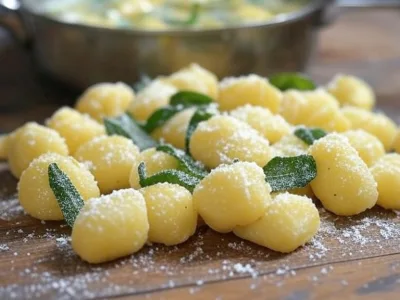
For a simple finish, melt butter in a pan with fresh sage leaves and toss the cooked gnocchi in the butter.
Alternatively, serve with your favorite sauce and garnish with grated Parmesan cheese.
Extra technique, safety notes and details when you want to go deeper.
More tips & details
Few things bring as much comfort and joy to the table as a plate of homemade gnocchi. These soft, pillowy potato dumplings are a beloved classic of Italian cuisine, celebrated for their simplicity, versatility, and ability to pair seamlessly with countless sauces. Whether you're crafting a comforting family dinner, impressing guests at a gathering, or simply indulging in a therapeutic cooking session, this homemade gnocchi recipe is the perfect addition to your repertoire.
With just a handful of ingredients—potatoes, flour, eggs, and a pinch of salt—you can create something truly special. The result? Perfectly tender gnocchi that melt in your mouth, carrying the delicate flavor of potatoes enhanced by your favorite sauce. From rich, buttery sage sauces to vibrant tomato-based varieties or creamy Alfredo, homemade gnocchi are the ultimate blank canvas for your culinary creativity.
Why You’ll Love This Recipe
1. Easy to Make with Simple Ingredients
This recipe uses accessible, everyday ingredients that you likely already have in your pantry. There's no need for fancy tools or hard-to-find items—just wholesome basics that come together beautifully.
2. Soft and Fluffy Texture
Unlike store-bought gnocchi, which can sometimes feel dense or rubbery, this homemade version ensures a light, airy texture that feels like a cloud on your palate. The careful balance of ingredients and gentle technique guarantees a delightful bite every time.
3. A Family-Friendly Cooking Activity
Making gnocchi at home is more than just cooking—it's a fun and engaging experience. Get the whole family involved in rolling and shaping the dough. It's a wonderful way to create cherished memories in the kitchen.
4. Versatile Pairing Options
Gnocchi’s neutral flavor profile makes it the perfect partner for an array of sauces. From classic marinara to creamy pesto or even a light drizzle of olive oil with parmesan, the possibilities are endless. This recipe adapts effortlessly to whatever you're craving.
5. Impressive Yet Simple
Homemade gnocchi might seem like a dish reserved for chefs, but with this recipe, you’ll see how approachable and rewarding it is to make at home. It’s a guaranteed way to wow your dinner guests without breaking a sweat.
Mastering the Art of Gnocchi at Home
The beauty of gnocchi lies in its simplicity. Yet, creating the perfect batch requires a few key techniques. First, start with the right potatoes—starchy varieties like Russets or Yukon Golds work best, as they ensure a light, non-sticky dough. Avoid overmixing, as this can lead to dense gnocchi. With a gentle hand, roll and cut the dough, then use a fork or gnocchi board to create the signature ridges that help sauces cling to every bite.
This step-by-step process may feel a bit meditative, allowing you to connect with the timeless tradition of making pasta by hand. The reward? Gnocchi that taste as if they came straight from an Italian trattoria.
Pro Tips for Perfect Authentic Homemade Gnocchi
- Use Flour Sparingly
Too much flour can make your gnocchi heavy. Add just enough to bring the dough together and keep it manageable.
- Work with Warm Potatoes
Mash your potatoes while they're still warm. This helps create a smoother dough with fewer lumps.
- Test a Sample
Before cooking the entire batch, boil a small piece of dough to ensure it holds together and has the desired texture. Adjust the flour if needed.
- Cook in Small Batches
To prevent sticking and ensure even cooking, boil gnocchi in small batches. Remove them as soon as they float to the surface.
Why Homemade Gnocchi Beats Store-Bought
While store-bought gnocchi can save time, they often lack the tender texture and authentic flavor of homemade ones. When you make gnocchi from scratch, you have complete control over the quality of ingredients and the dough's consistency. This recipe ensures each dumpling is soft, delicate, and infused with the fresh, earthy flavor of potatoes—something no prepackaged alternative can match.
Bring the Taste of Italy to Your Table Today
Don’t wait for a special occasion to indulge in the pleasures of homemade gnocchi. With this simple and approachable recipe, you can transform any meal into an Italian-inspired feast. Pair these soft, delicate dumplings with your favorite sauce, a crisp side salad, and perhaps a glass of wine for a truly memorable dining experience.
So, why not start today? Gather your ingredients, roll up your sleeves, and let the magic of making gnocchi by hand unfold in your kitchen. Once you take that first bite, you’ll understand why this recipe is destined to become a beloved staple in your home. Try it now and experience the difference!
Tips and Adjustments for Perfect Authentic Homemade Gnocchi
Creating homemade gnocchi is an art as much as it is a science. While the original recipe offers a reliable method for soft, pillowy dumplings, there are numerous ways to adapt and refine it to suit your preferences or dietary needs. From experimenting with different ingredients to modifying the technique, here’s a detailed guide to tailoring your gnocchi to perfection.
Choosing the Right Potatoes
The type of potato you use can significantly impact the texture and flavor of your gnocchi.
High-Starch Potatoes for Light and Fluffy Gnocchi
- Opt for Russet potatoes or Yukon Gold potatoes, as their high starch content and low moisture level create a light, tender dough.
- Avoid waxy potatoes like red or new potatoes, which contain more water and can make the dough sticky and dense.
Sweet Potatoes for a Twist
- Swap regular potatoes with sweet potatoes for a slightly sweet and nutty flavor.
- Note: Sweet potatoes contain more moisture, so you’ll need to increase the flour slightly to maintain the dough's consistency.
Adjusting the Flour
Flour is essential for binding the dough, but the quantity and type can affect the gnocchi’s texture.
All-Purpose Flour for Classic Gnocchi
- 150 g (1 ¼ cups) of all-purpose flour creates a balanced dough that is easy to work with and yields a soft texture.
Gluten-Free Alternatives
- Replace all-purpose flour with a gluten-free blend to make the recipe suitable for those with gluten intolerance.
- Use a combination of rice flour, potato starch, and xanthan gum for the best results. Keep in mind that gluten-free dough may be more delicate to handle.
Semolina Flour for a Chewier Texture
- Incorporate a small amount of semolina flour for gnocchi with a slightly firmer bite. This works particularly well if you plan to bake or pan-fry the gnocchi after boiling.
Experimenting with Eggs
Eggs help bind the dough and add a slight richness, but they’re not always necessary.
With Eggs (as in the original recipe)
- Adding an egg provides structure, making the dough easier to handle and less likely to fall apart during cooking.
- The egg also contributes a subtle richness to the flavor.
Egg-Free Gnocchi
- For a vegan or lighter version, omit the egg and rely solely on the potatoes and flour.
- To improve the dough’s elasticity without eggs, consider adding a small amount of psyllium husk powder or potato starch.
Enhancing Flavor
While gnocchi are typically mild in flavor, there are ways to infuse the dough with subtle, complementary tastes.
Add Cheese to the Dough
- Incorporate Parmesan cheese (20 g or 2 tbsp) into the dough for a nutty, savory twist.
- Be cautious with the amount to avoid altering the dough’s texture.
Experiment with Herbs and Spices
- Add finely chopped fresh herbs like parsley, chives, or thyme to the dough for a fragrant touch.
- For a hint of warmth, mix in a pinch of nutmeg or white pepper.
Cooking Techniques
The way you cook your gnocchi can also change their final taste and texture.
Boiling for Classic Gnocchi
- Gnocchi are traditionally boiled until they float to the surface, resulting in a soft, tender dumpling.
- Serve immediately with your choice of sauce to preserve their light texture.
Pan-Frying for Crispy Gnocchi
- After boiling, pan-fry the gnocchi in butter or olive oil until golden and crispy on the outside.
- This method adds a delightful contrast in textures and pairs beautifully with simple sauces like browned butter and sage.
Baking for a Casserole-Style Dish
- Layer boiled gnocchi in a baking dish with a rich tomato or cheese sauce, then bake until bubbling and golden.
- Baking creates a hearty, comforting meal perfect for cold days.
Adapting Sauces for Gnocchi
The sauce you choose can completely transform your gnocchi dish.
Light and Fresh Sauces
- Pair gnocchi with a simple lemon-butter sauce or a light herb pesto for a fresh, summery flavor.
- These sauces enhance the delicate flavor of the gnocchi without overpowering it.
Rich and Creamy Sauces
- Opt for a creamy Alfredo sauce or a decadent gorgonzola sauce for an indulgent treat.
- The richness of the sauce complements the gnocchi’s soft, pillowy texture.
Tomato-Based Sauces
- A classic marinara sauce or Arrabbiata sauce brings a tangy, vibrant contrast to the gnocchi’s mild flavor.
- Add fresh basil and grated Parmesan for a touch of authenticity.
Making Gnocchi Ahead of Time
Homemade gnocchi can be prepared in advance, making it a convenient option for busy schedules.
Refrigerating Gnocchi
- Arrange uncooked gnocchi on a floured tray and cover with plastic wrap. Store in the refrigerator for up to 24 hours.
Freezing Gnocchi
- To freeze, place the uncooked gnocchi on a tray in a single layer and freeze until solid.
- Transfer them to a freezer-safe bag or container and store for up to 2 months. Cook directly from frozen, adding an extra minute to the boiling time.
Common Mistakes and How to Avoid Them
Even with the best intentions, gnocchi-making can sometimes go awry. Here are some common pitfalls and how to avoid them:
Overworking the Dough
- Kneading the dough too much can activate the gluten in the flour, leading to tough, dense gnocchi. Mix just until the ingredients come together.
Using Too Much Flour
- Adding excessive flour makes the gnocchi heavy and gummy. Stick to the recommended amount, and add more only if the dough is unmanageable.
Cooking in Crowded Pots
- Boiling too many gnocchi at once can cause them to stick together or cook unevenly. Cook in small batches for the best results.
Transforming Gnocchi into New Dishes
Leftover gnocchi can be reinvented into entirely new dishes:
Gnocchi Stir-Fry
- Sauté leftover gnocchi with vegetables and your favorite protein for a quick, one-pan meal.
Gnocchi Soup
- Add cooked gnocchi to a hearty soup, such as minestrone or creamy chicken soup, for a comforting twist.
Gnocchi Salad
- Toss cold gnocchi with fresh vegetables, olives, and a light vinaigrette for a unique pasta salad.
With these tips and adjustments, you can create gnocchi tailored to your taste and dietary preferences. Whether you experiment with ingredients, alter the cooking method, or pair them with innovative sauces, the possibilities are endless. Mastering homemade gnocchi is a rewarding journey, offering delicious results and the satisfaction of crafting something truly special.
Recivelle · /recipe/authentic-homemade-gnocchi-recipe-soft-potato-dumplings-recipe