Base recipe: 12
Your kitchen companion
Ingredients
Check off ingredients as you prepare them.
Follow the steps at your own pace.
Method
Prepare the batter: In a large bowl, cream together the butter and sugar until light and fluffy. Gradually add the eggs, one at a time, ensuring each is fully incorporated before adding the next. Mix in the vanilla extract, rum, and salt.
Combine the dry ingredients: In a separate bowl, sift together the cake flour, cornstarch, and baking powder.
Mix the batter: Slowly fold the dry ingredients into the wet mixture, alternating with the milk, until a smooth, thick batter forms.
Preheat the oven: Set your oven to 220°C (425°F). Line a springform pan (24 cm / 9-inch) with parchment paper and lightly grease it.
Bake in layers: Spread a thin layer (about 2-3 tablespoons) of batter in the prepared pan and bake for 3-4 minutes, or until lightly golden. Remove from the oven, add another thin layer, and repeat the process until all batter is used.
Cool the cake: Once fully baked, let the cake cool in the pan for 10 minutes, then transfer to a wire rack.
Prepare the glaze: Melt the dark chocolate with butter over a double boiler, stirring until smooth.
Glaze the cake: Pour the warm glaze over the cooled cake, spreading it evenly. Let it set for 30 minutes before slicing and serving.
Extra technique, safety notes and details when you want to go deeper.
More tips & details
The Art of Crafting the Perfect German Baumkuchen
A Cake with a Rich Tradition and Unparalleled Elegance
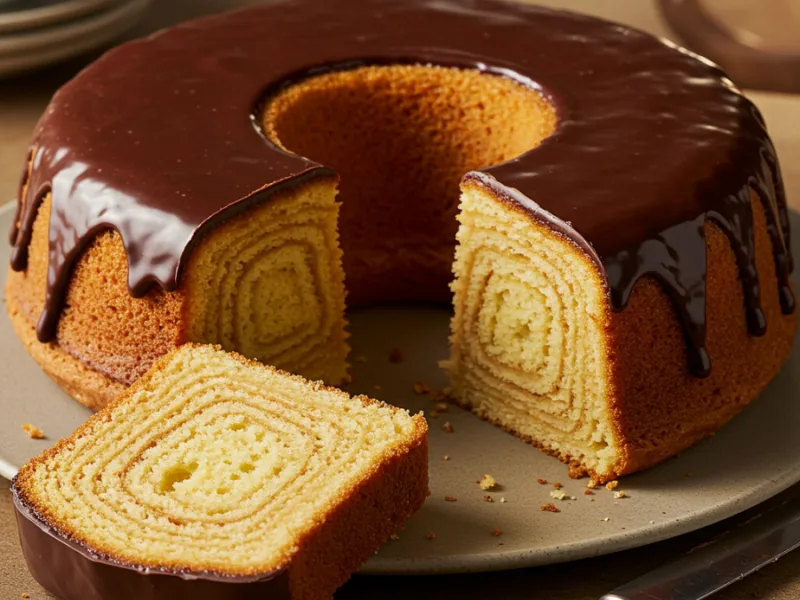
Baumkuchen, often referred to as the "King of Cakes," is one of Germany’s most iconic and revered desserts. This elegant layered cake is celebrated for its delicate texture, rich buttery flavor, and mesmerizing rings that resemble the growth rings of a tree. Its name, "Baumkuchen," literally translates to "tree cake," a nod to its distinctive layered appearance, which is achieved through a meticulous baking process.
This masterpiece of German confectionery has been cherished for centuries, gracing the tables of royalty and esteemed pastry lovers alike. Its origins date back to the early 19th century, with the first recorded recipe appearing in the prestigious pastry books of European court bakers. Over time, this cake has evolved, spreading its influence across Europe and beyond, gaining popularity in Japan, where it is now a staple of fine patisseries.
While traditional Baumkuchen is baked on a rotating spit over an open flame, creating multiple thin, even layers, modern home bakers can achieve the same stunning effect using an oven. The result is a beautifully golden, multi-layered cake with a tender yet slightly caramelized exterior, offering a perfect balance of flavors and textures.
The Unique Baking Process That Defines Baumkuchen
Unlike conventional cakes, Baumkuchen is crafted through a gradual layering technique that requires patience and precision. Each layer of batter is carefully spread and baked before another is added, creating a mesmerizing ringed pattern when sliced. The baking process allows the cake to develop its signature moist yet firm texture, ensuring that every bite melts in your mouth while maintaining a satisfying structure.
The key to an exceptional Baumkuchen lies in the quality of ingredients and the technique used to achieve the delicate layering. A well-made Baumkuchen has:
- A buttery and aromatic crumb that remains moist yet firm.
- A thin, crisp exterior that enhances the depth of flavor.
- Distinct, even layers that form the characteristic ring pattern.
- A perfect balance of sweetness complemented by subtle hints of vanilla and rum.
What Makes Baumkuchen So Special?
Baumkuchen is more than just a cake—it is a testament to the skill and patience of the baker. Its striking appearance makes it a centerpiece at festive celebrations, from weddings to holidays, while its delicate taste ensures it is loved by all who try it. Unlike other cakes, which rely on heavy frostings or fillings, Baumkuchen’s charm lies in its natural flavors and texture.
This cake is often finished with a fine coating of dark chocolate glaze or a light dusting of powdered sugar, elevating its elegance. The slight bitterness of the chocolate contrasts beautifully with the cake’s buttery richness, making it an indulgence worth savoring.
A Versatile Treat for Every Occasion
One of the reasons Baumkuchen has remained popular for centuries is its versatility. While traditionally enjoyed as a whole cake, it can also be sliced into individual finger-sized portions, making it an ideal treat for afternoon tea, dessert platters, or luxurious gift boxes.
In some variations, the batter is infused with citrus zest, almond extract, or even honey, adding a unique depth of flavor to each layer. The cake’s structure also makes it an excellent base for creative interpretations, such as layering it with fruit preserves or liqueur-infused syrups to enhance its richness.
How to Serve and Store Baumkuchen
Baumkuchen is best enjoyed freshly baked, when its layers are at their peak tenderness. However, due to its low moisture content and rich composition, it has a remarkable shelf life compared to other cakes. Properly wrapped, it can be stored at room temperature for several days or refrigerated for up to a week, allowing the flavors to mature beautifully.
For an added indulgence, warm the cake slightly before serving, allowing its butter-rich aroma to intensify. Pairing it with a cup of freshly brewed coffee or a glass of dessert wine enhances its delicate notes, making every bite a moment of pure pleasure.
Why You Should Try Making Baumkuchen at Home
Though it may seem like a challenging endeavor, making Baumkuchen at home is a rewarding experience that allows you to appreciate the artistry behind this extraordinary cake. While traditional methods require specialized equipment, a simple oven and a steady hand are all you need to replicate the classic layered effect.
By following the right technique and using high-quality ingredients, you can create a homemade Baumkuchen that rivals those found in the finest patisseries. Whether you're baking for a special occasion or simply exploring the art of European pastry-making, this cake is sure to impress both visually and in taste.
Baumkuchen is more than just a dessert—it is a celebration of craftsmanship, patience, and tradition. Whether you are drawn to its stunning aesthetic, its rich history, or its exquisite taste, one thing is certain: this legendary cake is a timeless indulgence worth savoring.
Enhancing the Classic Baumkuchen Recipe
Adjusting Ingredients for a Richer Flavor and Texture
The beauty of Baumkuchen lies in its delicate balance of flavors and textures. However, small adjustments to the ingredients can elevate the cake to an even more refined level.
- Butter Quality Matters – Using high-fat European butter (82% fat content or higher) instead of standard butter results in a richer, creamier texture. The extra fat content enhances the moistness of the cake and provides a more buttery aroma.
- Egg Yolks for a Smoother Crumb – While traditional recipes use whole eggs, increasing the ratio of egg yolks (e.g., using 7 yolks and 4 whites instead of 6 whole eggs) makes the cake more tender and gives it a luxurious mouthfeel.
- Infusing the Batter with Almond Flour – Replacing a portion of the cake flour with almond flour (about 20%) adds a nutty depth and helps retain moisture, preventing the cake from becoming too dry.
- Enhanced Sweetness with Brown Sugar – Replacing a portion of white sugar with light brown sugar or honey introduces caramel-like undertones, complementing the layered baking technique.
- Adding a Hint of Citrus Zest – A small amount of lemon or orange zest (½ teaspoon) gives the cake a fresh, vibrant note, balancing its sweetness with a subtle tang.
How Different Glazes Can Transform the Baumkuchen
The final coating of a Baumkuchen is not just for aesthetics—it plays a crucial role in flavor development and texture.
- Dark Chocolate for Classic Elegance – A high-quality 70% dark chocolate glaze intensifies the richness of the cake while providing a slight bitterness that contrasts beautifully with the sweetness of the layers.
- White Chocolate for a Sweeter Twist – For those who prefer a milder, creamier coating, a white chocolate glaze can be used, adding a silky smooth texture and a touch of vanilla sweetness.
- Rum or Liqueur-Infused Glaze – Adding 1-2 tablespoons of dark rum, amaretto, or Grand Marnier to the chocolate glaze introduces a sophisticated, aromatic depth, making it more indulgent.
- Sugar Glaze for a Crisp Finish – A simple powdered sugar and lemon juice glaze creates a thin, crackly coating, adding a slight crunch to each bite.
Why Homemade Baumkuchen Is Superior to Store-Bought
While commercially produced Baumkuchen is widely available, homemade versions offer a number of advantages:
- No Artificial Preservatives – Many mass-produced versions contain preservatives and stabilizers to extend shelf life. Homemade Baumkuchen is free from unnecessary additives, allowing the natural flavors to shine.
- Customization Options – When baking at home, you can tailor the sweetness, texture, and flavor intensity to your personal preference. You can also experiment with different flour blends, sweeteners, and toppings.
- Freshness and Moisture Retention – Store-bought cakes are often dryer due to prolonged storage. Freshly baked Baumkuchen retains optimal moisture, ensuring a soft, melt-in-your-mouth experience.
- High-Quality Ingredients – Many commercial products use margarine instead of butter or lower-quality chocolate. By baking at home, you have full control over the quality and sourcing of your ingredients.
Common Mistakes and How to Avoid Them
Baumkuchen requires precision and patience, and certain errors can compromise the final result.
- Overmixing the Batter – Overworking the batter develops too much gluten, resulting in a dense and chewy texture rather than a soft and airy cake. Mix until just combined.
- Uneven Layering – If each layer is too thick or unevenly distributed, the characteristic ring pattern will not develop properly. Using a small ladle and a pastry brush helps to achieve consistent layering.
- Baking at the Wrong Temperature – The oven needs to be hot enough (220°C / 425°F) to quickly brown each layer without overcooking. A temperature too low will result in flat, underwhelming layers.
- Skipping the Resting Time – Letting the batter rest for at least 10 minutes before baking allows the flour to fully hydrate, leading to a smoother, more stable texture.
Healthier Alternatives Without Compromising Taste
For those looking to create a lighter or allergen-friendly version, several ingredient swaps can be made.
- Gluten-Free Version – Replacing cake flour with gluten-free all-purpose flour (or a mix of almond flour and rice flour) maintains a light texture while making the cake suitable for gluten-sensitive individuals.
- Dairy-Free Option – Instead of butter, use plant-based butter or coconut oil, which still provides richness but with a slightly different flavor profile.
- Reduced Sugar Variation – Substituting part of the sugar with natural sweeteners such as maple syrup or coconut sugar lowers the glycemic impact while adding caramel-like notes.
- Egg-Free Adaptation – For a vegan version, replace eggs with a mix of applesauce and aquafaba (chickpea brine), which provides structure and moisture while maintaining the delicate layering effect.
How to Achieve a More Luxurious Baumkuchen
For a decadent, bakery-style Baumkuchen, consider these premium additions:
- Brushing Each Layer with Syrup – Lightly brushing each baked layer with a simple syrup (sugar, water, and a splash of rum or vanilla extract) adds extra moisture and depth of flavor.
- Roasting the Flour Before Mixing – Lightly toasting the cake flour before incorporating it into the batter enhances the cake’s nutty aroma and improves the texture.
- Adding Crushed Nuts or Caramelized Almonds – Sprinkling a thin layer of finely ground hazelnuts or caramelized almonds between layers creates a subtle crunch and additional flavor complexity.
The Perfect Way to Store and Serve Baumkuchen
Proper storage is essential to maintain the freshness and integrity of Baumkuchen.
- Short-Term Storage: Keep the cake wrapped in parchment paper and stored in an airtight container at room temperature for up to 3 days.
- Long-Term Storage: Refrigerate for up to one week, but allow it to return to room temperature before serving for the best texture.
- Freezing Option: Baumkuchen can be frozen for up to 3 months. Wrap it tightly in plastic wrap, followed by aluminum foil, to preserve moisture.
For the best presentation, slice the cake into thin, elegant pieces and serve with a dusting of powdered sugar, a dollop of whipped cream, or fresh berries to highlight its delicate layers.
By making these thoughtful adjustments and avoiding common pitfalls, you can elevate Baumkuchen from a traditional cake to a culinary masterpiece, ensuring a perfect balance of flavor, texture, and visual appeal.
Recivelle · /recipe/authentic-german-baumkuchen-tree-cake-recipe