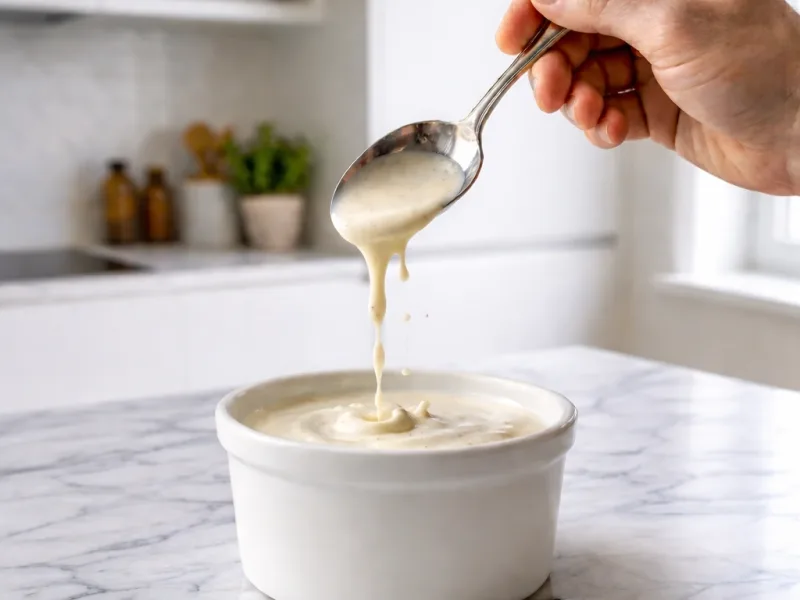
Understanding the gelatin structure that determines panna cotta texture
When preparing panna cotta using the technique described in the Panna Cotta Recipe, the dessert should develop a smooth, lightly trembling structure after refrigeration. If the gelatin network does not form properly, the mixture remains liquid or collapses once unmolded.
Panna cotta relies on gelatin to stabilize a mixture of cream, milk, and sugar. As the mixture cools, gelatin proteins create a flexible network that traps moisture and fat, producing the characteristic creamy texture. When hydration, temperature control, or ingredient balance is incorrect, this network cannot form.
Understanding how gelatin works within the dessert makes it easier to identify why panna cotta sometimes fails to set. Once the cause is recognized, the mixture can often be corrected and stabilized through proper technique.
How gelatin forms the structure of panna cotta
Gelatin forms a three-dimensional protein network when dissolved in warm liquid and cooled. During blooming, gelatin absorbs cold water and hydrates evenly, which allows it to dissolve smoothly in warm cream. As the mixture cools in the refrigerator, the protein chains reconnect and trap liquid within a soft gel.
This gel stabilizes the dairy mixture without creating the firm texture associated with traditional jelly. Properly prepared panna cotta should hold its shape while remaining delicate and creamy when served. If the gelatin network does not develop fully, the dessert cannot maintain its structure.
Professional kitchens often follow a consistent ratio to achieve the classic texture. A common guideline is 1–1¼ tsp powdered gelatin (5–7 g) per 2 cups dairy mixture (500 ml), which produces a soft but stable set.
Quick reasons panna cotta did not set
Several technical issues can prevent panna cotta from forming a stable gel. Most failures occur during gelatin preparation, ingredient balancing, or refrigeration.
- Gelatin not bloomed properly in cold water
- Cream mixture overheated or boiled
- Too little gelatin relative to the liquid
- Excess milk replacing cream in the recipe
- Additional acidic ingredients weakening the gel
- Insufficient refrigeration time before serving
Each of these problems interferes with the formation of the gelatin network that stabilizes the dessert.
Ingredient balance and dairy composition
The balance between cream and milk significantly affects panna cotta texture. Cream provides fat and milk solids that help stabilize the gel structure, while milk contributes more water and fewer stabilizing components. Replacing large amounts of cream with milk can weaken the gel and lead to a softer or unstable texture.
Additional ingredients may further dilute the mixture. Fruit purées, citrus juice, or alcohol increase water content and may introduce acidity that reduces gelatin strength. These factors often explain why panna cotta does not set with gelatin even when the preparation method seems correct.
Maintaining a balanced dairy ratio helps ensure the gelatin network develops evenly during refrigeration.
Temperature control during heating and chilling
Temperature management plays a critical role in gelatin performance. The cream mixture should be heated gently only until the sugar dissolves and the gelatin melts completely. Boiling the mixture can damage gelatin proteins and weaken the final gel.
After the mixture is poured into molds, it must chill undisturbed so the gelatin structure can form gradually. Most panna cotta requires four to six hours of refrigeration, and shorter chilling periods frequently explain panna cotta not setting in the fridge.
Stable cooling conditions allow the gel to develop evenly throughout the dessert.
How to identify gelatin-related setting problems
The texture of unset panna cotta often reveals the cause of failure. If the mixture remains completely liquid after chilling, the gelatin amount was likely insufficient or weakened by excessive heat. If the edges set but the center stays soft, the dessert may simply require additional chilling time.
The type of gelatin used can also influence results. Powdered gelatin and gelatin sheets vary slightly depending on bloom strength. As a general reference, one gelatin sheet equals approximately 2 g powdered gelatin, although exact conversion depends on the product.
Understanding gelatin strength helps maintain consistent results when working with different gelatin forms.
How to fix panna cotta that did not set
If panna cotta fails to set, the mixture can often be repaired. The liquid dessert can be gently reheated until fluid and combined with additional bloomed gelatin. The mixture should be warmed slowly without boiling to avoid weakening the gelatin.
Once the gelatin dissolves completely, the mixture can be poured back into molds and refrigerated again. Because gelatin can melt and reset multiple times, this method restores the structure while preserving the creamy texture.
Careful measurement during this adjustment prevents the dessert from becoming overly firm.
Professional techniques for reliable panna cotta texture
Consistent technique ensures reliable panna cotta preparation. Gelatin should always be bloomed in cold water before being incorporated into warm cream so that it dissolves evenly. Gentle heating prevents damage to the gelatin structure responsible for gel formation.
Professional pastry kitchens typically measure gelatin precisely by weight rather than by volume. Controlled heating, accurate dairy ratios, and sufficient chilling time allow the gelatin network to form properly throughout the dessert.
These technical practices prevent common preparation errors and ensure panna cotta develops the classic soft, creamy texture.
Culinary context of panna cotta preparation
Panna cotta originates from northern Italy, where cream-based desserts traditionally emphasize simple ingredients and balanced textures. The name translates to “cooked cream,” referring to the gentle heating of dairy used to prepare the dessert.
Modern versions rely on gelatin to produce the smooth set that defines panna cotta while maintaining its delicate mouthfeel. The dessert remains valued for its balance between firmness and creaminess, allowing it to hold shape while remaining silky when served.