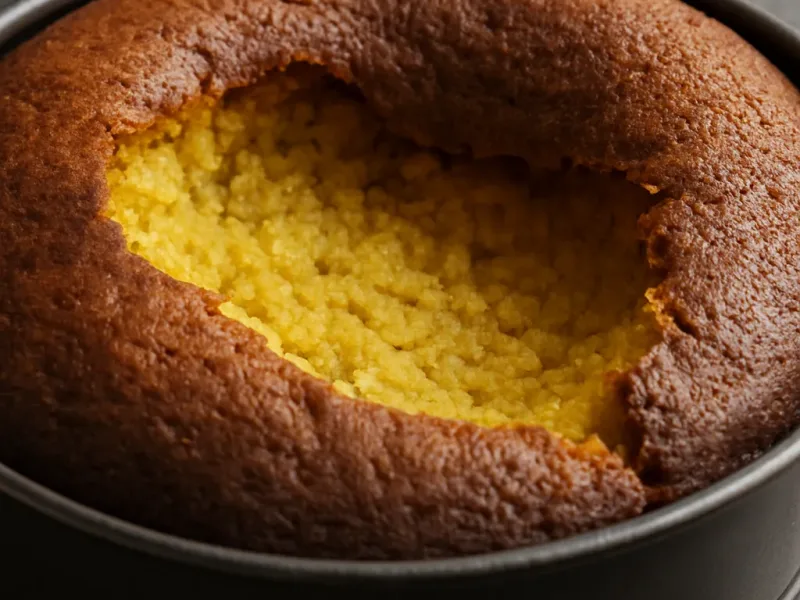
Understanding the science behind collapsed cakes
A perfectly baked cake should rise evenly, hold its shape, and have a light, airy texture. Yet many bakers face the recurring problem of a cake that rises beautifully in the oven, only to collapse once cooling begins. This issue is not limited to beginners; even experienced bakers encounter it. Knowing the causes, both scientific and practical, helps prevent disappointment and ensures consistently successful baking results.
Historical context of cake baking
The tradition of baking cakes dates back thousands of years. Early versions, prepared in ancient Egypt and Rome, were dense and closer to bread than today’s fluffy creations. With the arrival of chemical leavening agents like baking powder in the 19th century, cakes became lighter, softer, and taller. This shift also introduced new challenges: understanding balance in ingredients and temperature became crucial to avoid collapsed structures.
Key causes of cake collapse
Several factors may contribute to cakes sinking after baking. Each step of preparation plays a role in the final outcome:
- Incorrect oven temperature: Too high causes rapid rising, followed by collapse; too low prevents proper structure from forming.
- Overmixing the batter: Excess air and gluten development weaken stability.
- Underbaking: The center remains unset, leading to sinking during cooling.
- Too much leavening: Excess baking powder or baking soda creates gas pockets that the cake cannot support.
- Opening the oven door too soon: Sudden temperature drops disrupt the delicate structure.
- Improper pan size: Batter spread too thin or piled too deep interferes with even baking.
Semantic focus: cake structure, moisture balance, temperature control
Successful cakes depend on the careful balance of moisture, leavening, and baking time. Gluten forms the framework, eggs stabilize, and sugar controls browning while tenderizing. Each element must interact harmoniously: too much moisture or fat without adequate structure results in a weak, collapsing cake. Similarly, leavening requires enough strength from flour and eggs to hold gas bubbles during baking and cooling.
Practical ideas and simple tricks
Professional and home bakers can avoid collapse by applying tested techniques:
- Use an oven thermometer to verify actual temperature.
- Mix only until ingredients are combined to avoid overdeveloping gluten.
- Insert a skewer into the center to check doneness; it should come out clean.
- Measure leavening carefully with level spoons.
- Avoid sudden movements when baking; let the cake set properly before opening the oven.
- Choose pans that match the recipe volume for even distribution.
Useful combinations and inspirations
- Traditional sponge cakes rely on whipped eggs for natural lift; mastering this technique reduces dependence on chemical leaveners.
- Modern variations combine almond flour, yogurt, or mascarpone to add flavor while maintaining structure.
- Adding citrus zest or spices like cardamom provides both aroma and lightness.
- Pairing fruit fillings with firm batters, such as pound cake, ensures stability while offering fresh inspiration.
From tradition to modern cuisine
Classic European recipes such as the Genoise sponge highlight precision in mixing and baking. By contrast, modern American layer cakes often use baking powder for ease and speed. Combining the meticulous methods of the past with the innovations of today creates more reliable results. For example, folding whipped egg whites into a butter-based batter blends the strength of both approaches.
Common mistakes to avoid
- Rushing through mixing or baking steps.
- Relying on inaccurate measuring tools.
- Using expired baking powder or soda.
- Ignoring the importance of cooling on a rack to prevent steam collapse.
Chef’s tip
Let cakes cool in the pan for a few minutes, then transfer them to a wire rack. This avoids trapped moisture, which can weaken structure and lead to sinking.
Why this method works
Each tip addresses the underlying physics of baking: stable air bubbles, set proteins, and balanced moisture. A cake that rises and stays risen is the product of chemical and physical harmony.
Inspiration for better results
Whether preparing a light sponge for afternoon tea or a dense chocolate cake for celebrations, applying these methods ensures reliability. The joy of serving a cake that holds its form lies not only in appearance but also in the satisfaction of mastering a craft that blends science with tradition.