Understanding common mistakes and how to avoid them
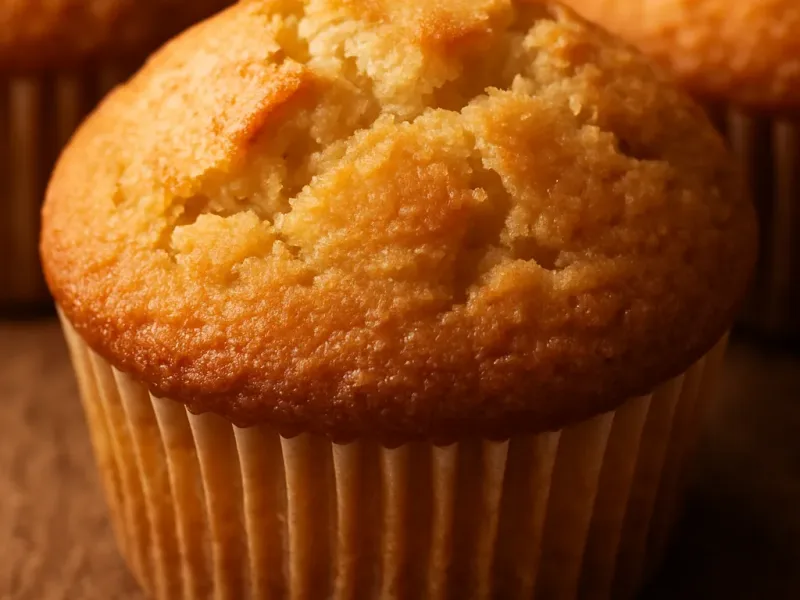
Muffins should be tender, light, and slightly moist, but many bakers face the frustration of dry muffins or dense, heavy results. These issues often come from a few key factors: ingredient ratios, mixing techniques, oven temperature, and resting times. Learning how to balance these elements can transform your muffins into consistently delightful treats.
Why muffins sometimes fail
Ingredient balance
The proportion of flour, sugar, fat, and liquid defines the texture. Too much flour leads to heaviness, while insufficient fat or liquid makes the muffin crumb dry. Overly sweet batters can also caramelize too quickly, leaving the inside undercooked.
Mixing methods
Overmixing is one of the most common causes of dense muffins. Gluten develops rapidly when flour and liquid are mixed for too long, leading to a chewy texture rather than a tender crumb. Under-mixing, on the other hand, leaves uneven pockets of dry flour that can cause irregular baking.
Oven conditions
An oven that is too hot bakes the outside quickly, leaving the inside underdone and gummy. Too low a temperature can dry the muffins before they set. Maintaining a consistent temperature and preheating properly is essential for achieving fluffy muffins.
Resting time
Allowing batter to rest briefly before baking helps starches hydrate and can improve texture. However, letting the batter sit for too long can cause leavening agents to lose their power, resulting in flat, heavy muffins.
Origins and history of muffins
Muffins originated in the United Kingdom during the 18th century, where the term described a yeast-leavened bread cooked on a griddle. These “English muffins” were very different from the American muffins known today. In the 19th century, baking powder became widely available, allowing bakers to create quick muffins with a soft crumb and rounded tops. Over time, muffins evolved into a versatile baked good, bridging the gap between bread and cake.
Common mistakes and how to fix them
- Using too much flour: Measure with precision, preferably by weight.
- Not enough fat: Butter, oil, or sour cream adds essential moisture.
- Overmixing: Stir until ingredients are just combined.
- Incorrect oven temperature: Use an oven thermometer for accuracy.
- Ignoring resting time: Bake soon after mixing for the best rise.
Practical ideas for better muffins
Simple tricks that work every time
- Substitute part of the flour with finely ground almonds or oats for extra tenderness.
- Add yogurt, buttermilk, or sour cream to increase moisture and tang.
- Use room temperature ingredients for better mixing and even baking.
- Fold in fresh fruit or chocolate at the very end to prevent sinking.
Useful flavor combinations
- Blueberry with lemon zest for a fresh, bright taste.
- Banana with walnuts for a hearty, moist muffin.
- Pumpkin with cinnamon and nutmeg for a seasonal touch.
- Double chocolate for an indulgent, rich muffin.
Inspiration from traditional and modern cuisine
- From traditional American diners: classic blueberry muffins with a sugar-streusel topping.
- From Mediterranean kitchens: olive oil and orange muffins with a subtle citrus aroma.
- From modern cafés: matcha muffins with white chocolate chunks.
- From Scandinavian baking: cardamom muffins with pearl sugar sprinkled on top.
Why this method works
Muffins succeed when three elements come together: accurate measurement, gentle handling, and proper baking. Each adjustment, whether using moisture-rich ingredients or carefully controlling oven heat, directly affects the final result. A muffin should be light yet satisfying, sweet but not overpowering, and always pleasantly soft.
Chef’s tip
For perfectly domed tops, start baking at a slightly higher temperature for the first 5 minutes, then lower it for the remainder of the baking time. This helps the muffins rise quickly before the crust sets.
Common mistakes to avoid
- Using cold eggs and butter straight from the refrigerator.
- Adding fruit directly from the freezer without coating in flour.
- Filling muffin cups unevenly, leading to inconsistent baking.
- Skipping liners or greasing incorrectly, which makes muffins stick.