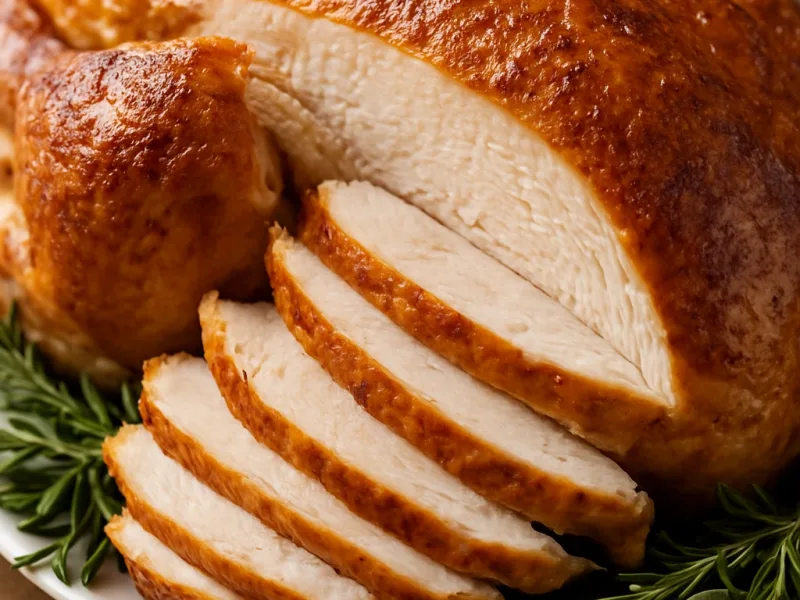
Expert tips for achieving juicy, tender, and evenly cooked turkey every time
Perfecting your turkey cooking time per pound is the foundation of every successful roast — whether for Thanksgiving dinner, a festive Christmas feast, or a cozy family gathering. A perfectly cooked turkey combines crisp golden skin with moist, flavorful meat, and getting the timing right is crucial. This detailed guide reveals everything you need to know about determining the exact cooking time per pound of turkey, including the science behind roasting, the influence of temperature, and how to adapt your method to both traditional ovens and modern kitchen appliances.
The importance of time and temperature balance
The golden rule of roasting a turkey is balance — too little time and you risk undercooking, too much and you lose moisture. On average, the turkey cooking time per pound depends on several factors:
- Oven temperature (typically between 160°C–180°C / 325°F–350°F)
- Stuffed or unstuffed bird
- Weight and type of turkey (fresh, frozen, or organic)
- Resting time before carving
A general reference for a perfectly roasted bird is:
- Unstuffed turkey: 13–15 minutes per pound (29–33 minutes per kg)
- Stuffed turkey: 15–17 minutes per pound (33–37 minutes per kg)
Always use a meat thermometer to confirm doneness — the internal temperature should reach 74°C (165°F) at the thickest part of the breast and 82°C (180°F) at the thigh.
A brief look into the history of turkey roasting
The art of roasting turkey dates back to early 16th-century North America, when native tribes and European settlers discovered the bird’s rich, lean meat. Over centuries, roasting traditions evolved — from open-fire methods to refined oven-roasting techniques used today. In Europe, turkey replaced goose and duck as the centerpiece of festive meals during the 19th century, thanks to its versatility and ability to serve large gatherings.
Best methods for calculating turkey cooking time
There are two main approaches professionals use to ensure precision:
- By weight: Calculate total cooking time by multiplying the weight (in pounds) by the average time per pound.
- By internal temperature: Monitor the internal heat rise to ensure the meat reaches safe and optimal doneness.
Many chefs prefer combining both — using weight-based estimates for scheduling and thermometers for confirmation.
Practical ideas and simple tricks for perfect results
Achieving the ideal juicy roast turkey requires more than just timing. Here are essential chef-approved techniques:
- Bring the turkey to room temperature before roasting to ensure even cooking.
- Pat the skin dry with paper towels for a crisp golden finish.
- Brush with melted butter or oil for better browning and moisture retention.
- Use herbs and aromatics like rosemary, thyme, garlic, lemon, and sage for rich flavor.
- Rest the turkey for at least 20–30 minutes after roasting — this allows the juices to redistribute evenly.
- Tent with foil if the skin darkens too quickly, preventing overbrowning.
Inspiration from traditional and modern cuisine
In traditional American cuisine, turkey is often roasted with a simple blend of butter, salt, pepper, and herbs, complemented by side dishes like mashed potatoes and gravy. In modern variations, chefs experiment with global influences:
- Mediterranean-style turkey: Infused with olive oil, lemon zest, oregano, and garlic.
- Asian-inspired glaze: A mix of soy sauce, honey, and ginger adds depth and sweetness.
- French technique: Butter-basting every 30 minutes ensures unparalleled tenderness.
For a smoky twist, many prefer grilling or smoking their turkey outdoors, introducing rich aroma and complexity.
Useful combinations and serving inspirations
Pairing the perfect roast with complementary dishes enhances the entire experience. Ideal companions include:
- Creamy mashed potatoes or truffle-infused purée
- Savory stuffing with chestnuts or wild rice
- Sweet-tart cranberry sauce
- Roasted seasonal vegetables like carrots, parsnips, and Brussels sprouts
- Light gravy with fresh herbs or a pan reduction sauce
For beverages, full-bodied white wines such as Chardonnay or light reds like Pinot Noir pair beautifully with roasted turkey.
Common mistakes and how to avoid them
Many cooks struggle with dry meat, uneven cooking, or overcooked skin. To prevent these:
- Avoid opening the oven frequently — it lowers temperature and extends cooking time.
- Do not overstuff the cavity, as it slows down heat circulation.
- Always calculate total cooking time before starting and monitor progress.
- Resting is non-negotiable — skipping this step causes loss of juices.
Why mastering turkey cooking time matters
Precision in timing not only guarantees a safe, flavorful meal but also defines the texture and aroma that elevate a holiday turkey from good to exceptional. Understanding how cooking time per pound interacts with temperature and preparation method is the secret to consistently delivering tender, golden, and aromatic results worthy of a festive table.
Chef’s tip
To ensure the ultimate balance between flavor and juiciness, roast the turkey breast-side down for the first half of the cooking process, then flip it for the remaining time. This allows natural juices to flow into the breast meat, resulting in an incredibly moist finish.
Why this method works
Controlled timing per pound combined with gradual heat creates uniform internal temperature and prevents moisture loss. This is the culinary principle behind every perfectly roasted turkey — scientifically precise, yet deeply traditional.
Commonly searched related phrases
- turkey cooking time chart
- how long to cook a turkey per pound
- perfect roast turkey tips
- juicy Thanksgiving turkey recipe
- oven temperature for turkey
Understanding and mastering turkey cooking time per pound transforms your kitchen into a space of precision, creativity, and confidence — ensuring every roast is as memorable as the occasion itself.