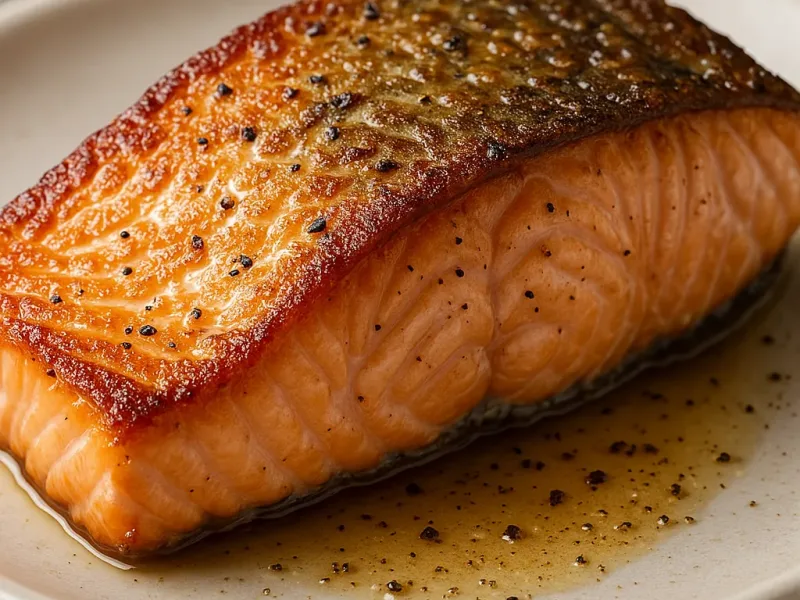
Practical Insights for Avoiding Common Salmon Mistakes
Choosing and preparing salmon with precision transforms an everyday dish into a refined and deeply flavorful experience. Many home cooks unintentionally compromise texture, aroma, and overall balance by repeating the same salmon cooking errors that professionals consciously avoid. Understanding these details elevates the natural richness of the fish and ensures consistently impressive results.
Salmon has a long culinary history across Nordic, Indigenous Pacific, and Japanese traditions. Each region developed its own method—smoking, curing, slow-poaching, and pan-searing—reflecting the value placed on the fish’s delicate structure. Learning from these traditional practices makes it easier to prevent overcooking, dryness, or loss of aroma.
Common mistakes often begin with selecting the wrong cut. Thin tail pieces cook faster and frequently lead to uneven doneness, while thick center-cut fillets provide a more stable result. Another frequent issue is skipping the rest period after cooking. Allowing the fish to sit briefly helps redistribute juices, preventing a chalky texture. High heat mismanagement, improper seasoning timing, and crowding the pan are also contributors to poorly cooked fish.
Moisture control plays a crucial role. Patting fish dry before searing ensures the skin turns crisp instead of steaming. Many cooks also forget that salmon continues to cook with residual heat; removing it from the pan slightly earlier protects its buttery tenderness. These practical adjustments significantly improve flavor and prevent the most widespread salmon mistakes.
Key Errors to Avoid
- Using excessively high heat that scorches the exterior.
- Over-marinating the fillet, which breaks down the surface and creates mushiness.
- Cooking straight from the fridge instead of letting the fish temper lightly.
- Neglecting to remove pin bones, disrupting the eating experience.
- Leaving the skin on in methods where crispness cannot develop.
- Applying too much salt too early, causing moisture loss.
Practical Ideas and Simple Flavor-Boosting Techniques
- Pair salmon with citrus-based glazes or herb oils to enhance its natural fattiness.
- Use gentle cooking approaches such as low-temperature roasting or controlled skillet searing for balanced doneness.
- Experiment with global traditions: Nordic dill-cured styles, Japanese miso marinades, Mediterranean fennel blends, or Alaskan cedar-plank grilling.
- Combine salmon with contrasting textures—crisp vegetables, roasted nuts, or lightly pickled garnishes.
- Try modern combinations like chili-honey drizzle, soy-maple reduction, or smoked paprika butter to create layered depth.
- Build sauces with yogurt, crème fraîche, tahini, or citrus vinaigrettes for brightness and balance.
Inspiration from Traditional and Modern Cuisine
- Scandinavian cuisine emphasizes fresh herbs and subtle acidity, ideal for preserving the fish’s clean profile.
- Japanese cooking maximizes umami with miso, soy, and mirin, complementing salmon’s richness without overwhelming it.
- Modern fusion approaches use bold sweetness, aromatics, and heat to create more complex flavors suited for quick weeknight meals or refined dinner menus.
Avoiding these common salmon cooking errors brings out the fish’s full potential—soft flakes, balanced seasoning, and a clean, radiant flavor. Applying these insights helps create dishes that feel both contemporary and deeply rooted in culinary heritage, merging precision with creativity for consistently exceptional results.