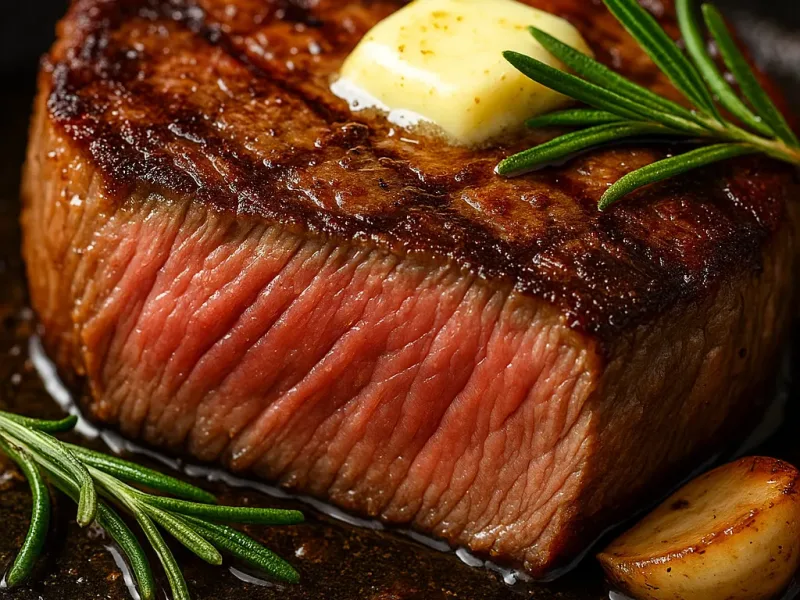
A refined chef’s approach to consistent, restaurant-quality steak
Cooking a perfect steak at home is an art shaped by heat control, timing, and understanding how beef behaves under intense temperature. Using my top 10 tips for cooking the perfect steak at home, this guide explores the essential details that influence tenderness, caramelization, and flavor. With a careful balance of traditional technique and modern culinary insight, any home cook can consistently transform a simple cut of beef into a beautifully seared, deeply juicy steak.
A brief look into steak origins
Steak preparation has grown from ancient open-fire cooking to today’s sophisticated pan-searing and grilling methods. Cultures across Europe and America shaped techniques that emphasize high-heat searing, resting, and the importance of marbling. These traditions form the foundation for modern steak craftsmanship.
Entities and essential factors
Core elements influencing steak quality
- Marbling and fat distribution
- Heat conductivity of cast iron
- Searing temperature and timing
- Salt absorption and surface drying
- Cut selection such as ribeye, striploin, tenderloin
- Resting time and juice retention
My Top 10 Tips for Cooking the Perfect Steak at Home
Tip 1: Choose the right cut
Ribeye, striploin, and tenderloin offer the best balance of flavor, juiciness, and texture due to their natural marbling.
Tip 2: Bring the steak to room temperature
Temperatures closer to room level ensure even cooking and prevent a cold center.
Tip 3: Pat completely dry before seasoning
Removing moisture helps form a bolder, more crispy crust during the sear.
Tip 4: Use generous salt
Salt enhances natural beef flavors and supports surface browning. Pepper may be added before or after depending on flavor preference.
Tip 5: Use a heavy pan
Cast-iron pans deliver strong heat retention, crucial for deep caramelization.
Tip 6: Start with high heat
The first contact with intense heat creates a signature crust and locks in aroma.
Tip 7: Add aromatics at the end
Garlic, thyme, or rosemary release flavor quickly in hot fat without burning.
Tip 8: Spoon butter over the steak
Basting with melted butter adds richness and helps finish the steak evenly.
Tip 9: Monitor internal temperature
A precise reading ensures the steak remains tender—rare, medium-rare, or medium depending on preference.
Tip 10: Always rest before slicing
Resting allows juices to redistribute, resulting in a tender, flavorful interior.
Practical ideas, combinations, and flavor inspiration
Simple tricks to elevate the experience
- Sear in clarified butter for cleaner flavor.
- Add a splash of lemon juice for brightness.
- Press lightly during searing for full contact between steak and pan.
- For thick cuts, try reverse searing for uniform doneness.
Traditional and modern influences
- Classic European styles focus on minimal seasoning and intense heat.
- Modern techniques embrace sous-vide, infused butters, and controlled resting times.
- South American methods inspire bold combinations like chimichurri.
Useful combinations
- Herb-infused butter for richness
- Charred vegetables for earthy contrast
- Creamy mashed potatoes for balance
- Crisp salads for a lighter pairing
By applying these methods and refining small details, anyone can achieve a consistently perfect steak at home, bringing professional texture and flavor into everyday cooking.