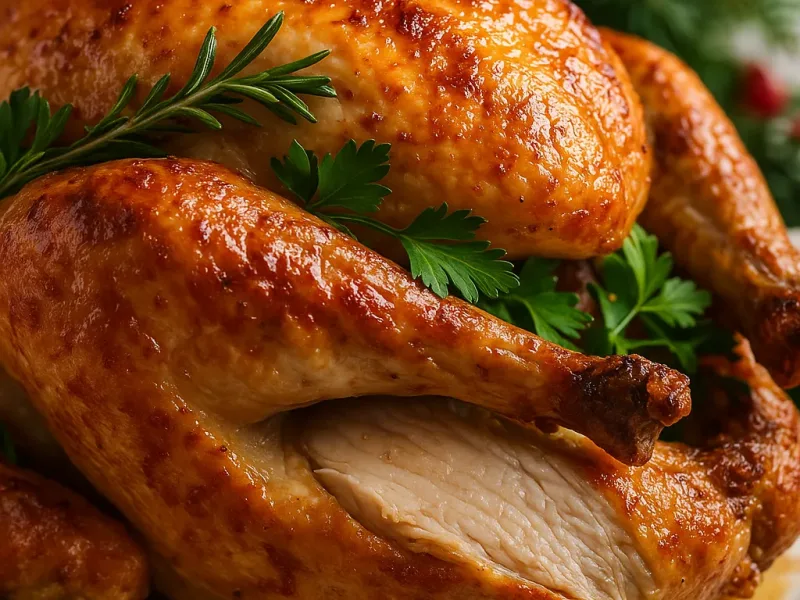
Expert guidance for achieving a juicy, flavorful Christmas centerpiece
Key principles for perfect turkey cooking
Choosing a high-quality bird is the foundation of a perfect Christmas turkey, but equally important are thoughtful preparation, consistent heat control, and careful resting. A well-executed approach enhances natural tenderness, preserves moisture, and supports rich seasonal flavors. These Christmas dinner techniques help cooks avoid dryness and bring out deep roasted aromas that define a festive meal. Attention to detail matters: from balanced seasoning to mindful carving, each action shapes the final result.
Origins and cultural heritage of Christmas turkey
Turkey became a holiday tradition in many regions during the 16th century, replacing more extravagant meats previously served at winter feasts. Its popularity grew due to its size, ability to feed large families, and its association with celebration. Over centuries, regional traditions shaped unique preparations, inspiring both classic and modern approaches to the holiday turkey.
Essential entities and culinary elements
Seasonal flavor components
- Herb butter
- Stuffing aromatics
- Crispy skin technique
- Moisture retention methods
- Roasting schedule
My 10 key insights for cooking the perfect Christmas turkey
Understanding bird size and preparation
Selecting the right weight ensures even cooking. Large turkeys benefit from longer resting times, while smaller birds allow more flexibility. Proper thawing is essential for consistent internal temperature.
Creating a balanced seasoning base
A combination of salt, pepper, fresh herbs, and aromatic ingredients supports depth without overpowering the natural flavor of the meat. Rubbing herb butter under the skin increases juiciness and elevates aroma.
Managing moisture effectively
Frequent basting can be helpful, but letting the turkey roast without constant opening of the oven maintains stable heat and prevents moisture loss. Using a roasting rack promotes airflow and crispier skin.
Temperature control
Slow, steady heat helps the bird cook evenly. Finishing at higher heat creates a golden exterior and accentuates the crispy turkey skin that many guests love.
Stuffing strategy
Cooking stuffing separately allows the turkey to roast more efficiently. When aromatics are added inside the cavity instead, they infuse gentle flavor without delaying cooking time.
Practical ideas and modern inspirations
Smart, tried-and-true turkey strategies
- Add citrus and fresh herbs for brighter seasonal notes
- Use a flavorful brine to enhance tenderness
- Customize butter blends with rosemary, sage, or thyme
- Introduce subtle spice influences from global cuisine
Simple tricks for confident cooking
- Let the turkey rest before carving to retain natural juices
- Pat the skin dry before seasoning to support browning
- Wrap the wings and legs early, then remove foil later for uniform roasting
Useful flavor combinations
- Herb butter + garlic + lemon for freshness
- Apple + sage for classic winter balance
- Smoked paprika + thyme for a modern twist
Inspiration from traditional and contemporary cuisine
Classic holiday traditions
Centuries-old European preparations rely on earthy herbs, root vegetables, and rich pan sauces that highlight comforting winter flavors. These traditions remain popular because they deliver recognizable, festive dinner satisfaction.
Modern culinary creativity
Contemporary chefs experiment with lighter interpretations, global spice blends, and innovative roasting techniques. These ideas allow home cooks to adapt the Christmas turkey to personal taste while preserving authenticity.
Why these techniques work
Culinary science behind moist, flavorful turkey
- Controlled heat protects proteins from toughening
- Fat under the skin helps baste the meat naturally
- Aromatics in the cavity release steam that gently perfumes the bird
- Proper resting ensures even redistribution of juices
Chef’s tip
A day-ahead preparation routine—drying the skin, seasoning thoroughly, and letting the turkey rest uncovered in the refrigerator—greatly improves texture and enhances browning, creating a more flavorful and visually appealing holiday centerpiece.