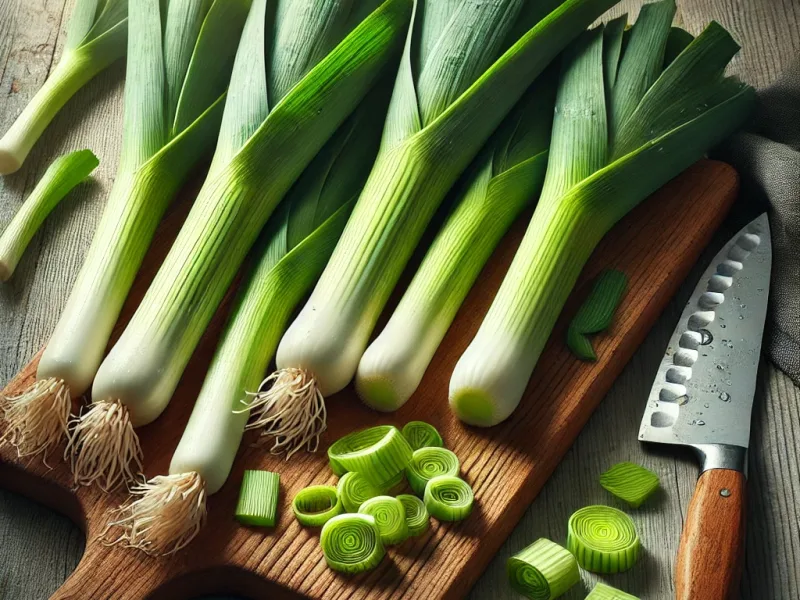
Leeks (Allium ampeloprasum) are a versatile and nutritious vegetable belonging to the Allium family, which also includes onions, garlic, and chives. Known for their mild, sweet flavor and unique layered structure, leeks have been cultivated and enjoyed in various cuisines for centuries. This comprehensive guide delves into the characteristics, culinary uses, health benefits, cultivation practices, nutritional profile, and more, providing an in-depth understanding of this remarkable vegetable.
Characteristics of Leeks
Leeks are biennial plants typically grown as annuals for their edible stalks. They feature a long, cylindrical stem composed of tightly wrapped, overlapping leaves that transition from white at the base to dark green at the top. Unlike onions, leeks do not form a bulb; instead, their elongated stems are the primary edible part.
The plant's structure consists of a bundle of leaf sheaths, also known as the stem or stalk, which can grow up to 50 cm (20 inches) in length and 5 cm (2 inches) in diameter. The white base, often referred to as the "shank," is prized for its tender texture and subtle flavor, while the green tops are typically more fibrous and are commonly used to flavor stocks and soups.
Culinary Uses of Leeks
Leeks are celebrated for their delicate, sweet flavor, making them a versatile ingredient in various culinary traditions. They can be enjoyed both raw and cooked, lending themselves to a multitude of dishes.
Soups and Stews
One of the most popular uses of leeks is in soups and stews. Their mild flavor enhances broths without overpowering other ingredients. A classic example is Potato Leek Soup, where leeks are sautéed and combined with potatoes, broth, and cream to create a comforting and hearty meal.
Quiches and Tarts
Leeks pair exceptionally well with eggs and cheese, making them a favored addition to quiches and tarts. Their subtle sweetness complements savory custards, resulting in dishes like Leek and Gruyère Quiche, a staple in French cuisine.
Stir-Fries and Sautés
In stir-fries and sautés, leeks add a gentle onion-like flavor. They can be sliced thinly and cooked quickly to retain their crispness, making them a delightful addition to vegetable medleys or as a topping for meats and fish.
Salads
When used raw, leeks provide a crunchy texture and mild taste to salads. It's essential to slice them thinly and soak them in cold water to reduce any potential bitterness. Leek and Apple Salad is a refreshing combination that balances the leek's mild sharpness with the sweetness of apples.
Pies and Pasties
In British cuisine, leeks are often used in savory pies and pasties, frequently combined with chicken or ham. Their flavor melds well with creamy sauces, creating comforting dishes like Chicken and Leek Pie.
Health Benefits of Leeks
Leeks are not only valued for their culinary versatility but also for their impressive health benefits. Rich in essential nutrients and bioactive compounds, they contribute to overall well-being in several ways.
Rich in Antioxidants
Leeks are abundant in antioxidants, particularly flavonoids such as kaempferol. These compounds help protect the body's cells from oxidative damage, reducing the risk of chronic diseases like heart disease and certain cancers.
Supports Heart Health
The presence of kaempferol in leeks has been linked to promoting heart health by protecting blood vessels from damage. Additionally, leeks contain allicin, a sulfur compound known for its potential to lower cholesterol levels and reduce blood pressure, further supporting cardiovascular well-being.
Promotes Digestive Health
Leeks are a good source of dietary fiber, which aids in maintaining a healthy digestive system. The fiber content helps regulate bowel movements and supports a healthy gut microbiome by acting as a prebiotic, feeding beneficial bacteria in the gut.
Enhances Immune Function
The combination of vitamins A and C in leeks plays a crucial role in supporting the immune system. Vitamin A is essential for maintaining the integrity of mucosal surfaces, such as those in the respiratory tract, while vitamin C stimulates the production of white blood cells, enhancing the body's defense mechanisms.
Supports Vision Health
Leeks are a source of lutein and zeaxanthin, carotenoids that accumulate in the retina and help protect against age-related macular degeneration and cataracts, thereby supporting eye health.
Nutritional Profile of Leeks
Leeks are nutrient-dense, offering a variety of vitamins and minerals while being low in calories. A 100-gram serving of raw leeks provides approximately:
- Calories: 31 kcal
- Carbohydrates: 7.6 g
- Protein: 1.5 g
- Fat: 0.3 g
- Fiber: 1.8 g
- Vitamin K: 47 µg (39% DV)
- Vitamin C: 12 mg (13% DV)
- Vitamin A: 1667 IU (33% DV)
- Folate: 64 µg (16% DV)
- Manganese: 0.2 mg (10% DV)
- Iron: 2.1 mg (12% DV)
Growing Leeks: A Guide for Home Gardeners
Leeks are relatively easy to grow and thrive in various climates, making them an excellent choice for home gardeners. Here are key steps for successful cultivation:
Choosing the Right Variety
There are several leek varieties, categorized based on their growing season:
- Summer leeks – Fast-growing, milder in flavor, and best suited for warmer climates.
- Autumn leeks – Medium-sized, slightly hardier, and ideal for harvesting in fall.
- Winter leeks – Larger, more robust, and tolerant of frost, making them perfect for colder climates.
Soil Preparation
Leeks prefer well-drained, fertile soil with a pH between 6.0 and 7.0. They thrive in sandy loam soil enriched with compost or well-rotted manure.
Planting
Leeks can be started indoors from seeds or directly sown into the garden. Transplant seedlings when they are about 15 cm (6 inches) tall, spacing them 15 cm apart in rows.
Caring for Leeks
- Watering: Keep the soil consistently moist but not waterlogged.
- Hilling: To achieve long, white stalks, mound soil around the base of the plants as they grow.
- Mulching: Apply mulch to retain moisture and suppress weeds.
Harvesting
Leeks are typically ready for harvest 90 to 120 days after planting. They can be dug up as needed, as they remain fresh in the ground during cool weather.
Storing and Preserving Leeks
Leeks can be stored in the refrigerator for up to two weeks. To extend their shelf life:
- Freezing: Chop and blanch them before freezing for long-term storage.
- Drying: Dehydrated leeks make an excellent addition to soups and stews.
- Pickling: Pickled leeks add a tangy, crunchy element to dishes.
Leeks are a nutritious and flavorful addition to any diet. Their versatility in cooking, coupled with numerous health benefits, makes them a staple ingredient in many cuisines worldwide. Whether enjoyed in soups, quiches, or salads, or grown in a home garden, leeks are a valuable and rewarding vegetable to incorporate into daily life.