Mastering measurements for baking and cooking success
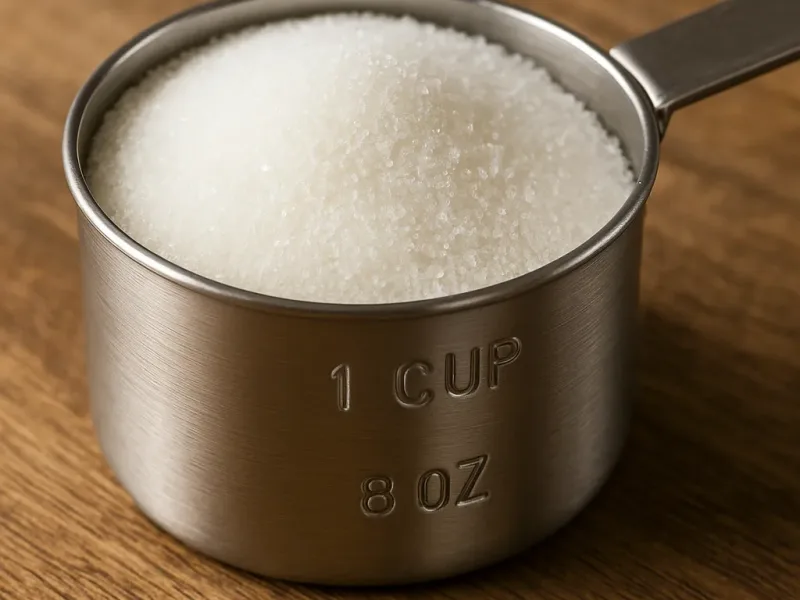
Cooking and baking often depend on precision, and one of the most common questions is how many ounces in a cup. This simple conversion can make the difference between a light, fluffy cake and one that turns out too dense. In the United States, the cup is a standard unit of measurement in recipes, while ounces can represent both weight and volume, depending on the ingredient. Knowing how to convert cups to ounces correctly ensures consistency, accuracy, and better results in both home kitchens and professional settings.
The basics of cup to ounce conversions
A standard cup equals 8 fluid ounces when measuring liquids such as water, milk, or oil. However, for dry ingredients like flour, sugar, or rice, the number of ounces varies by weight, since each ingredient has a different density. For example:
- 1 cup all-purpose flour = about 4.25 ounces (120 g)
- 1 cup granulated sugar = about 7 ounces (200 g)
- 1 cup butter = 8 ounces (225 g)
Understanding the difference between fluid ounces (volume) and ounces (weight) is essential. Fluid ounces measure liquid volume, while weight ounces measure mass.
Historical background of cup measurements
The concept of the “cup” as a unit of measurement has roots in both European and American culinary traditions. Before standardized kitchen tools, cooks relied on household vessels such as mugs or bowls. In the late 19th and early 20th centuries, with the rise of published cookbooks, the standard cup was defined more clearly. The U.S. cup became fixed at 240 ml (8 fluid ounces), while other countries often use a metric cup of 250 ml. This small difference explains why recipes may vary slightly when shared internationally.
Why conversions matter in modern kitchens
Precision matters in recipes that require chemical reactions, such as bread, cakes, or pastries. Too much flour can result in dry textures, while too little sugar can flatten flavor. Accurate cup to ounce conversions help avoid errors, especially when adapting recipes from different regions. For busy cooks, having a quick reference to ounces in a cup saves time and reduces guesswork.
Practical conversion chart
Liquids:
- 1 cup = 8 fl oz
- ½ cup = 4 fl oz
- ⅓ cup = 2.7 fl oz
- ¼ cup = 2 fl oz
Dry ingredients (approximate by weight):
- Flour (all-purpose): 1 cup = 4.25 oz
- Sugar (granulated): 1 cup = 7 oz
- Brown sugar (packed): 1 cup = 7.5 oz
- Butter: 1 cup = 8 oz
Practical ideas and simple tricks
- Use a kitchen scale to ensure accuracy, especially for baking. Scales eliminate confusion between fluid ounces and weight ounces.
- When measuring dry ingredients, spoon flour into the cup and level it off with a knife. Scooping directly can compress the flour, adding extra weight.
- Keep a laminated conversion chart on your fridge or inside a cabinet door for quick reference.
- Try combining traditional recipes with modern techniques, such as using metric measurements alongside cups for more precise results.
- In traditional cuisine, many recipes were passed down orally, with “a handful” or “a pinch” as the standard. Modern kitchens balance these intuitive methods with accurate conversions, blending heritage with convenience.
Useful combinations in cooking
- Baking bread: Convert cups of flour to ounces for reliable dough texture.
- Making sauces: Liquid conversions ensure consistency in gravies and custards.
- Smoothies and soups: Measuring in ounces keeps flavor balanced.
- Global recipes: Adapting international dishes often requires converting metric cups to U.S. cups.
Inspiration from traditional and modern cuisine
- Traditional European baking often favors weight-based measurements, offering accuracy for delicate pastries.
- American home cooking emphasizes cups and fluid ounces, reflecting accessibility and simplicity.
- Modern chefs combine both systems, ensuring recipes are approachable yet reliable, no matter the kitchen.
- In fusion cooking, understanding ounces in a cup helps integrate diverse traditions while preserving authentic flavors.
Common mistakes to avoid
- Confusing fluid ounces with weight ounces.
- Assuming all dry ingredients weigh the same per cup.
- Not leveling off ingredients when using cups.
- Ignoring the difference between U.S. and metric cups.
Why this knowledge is essential
Mastering how many ounces in a cup is more than a technical detail—it supports creativity, consistency, and confidence in the kitchen. Whether preparing family dinners, exploring international recipes, or refining baking skills, these conversions connect tradition with modern precision, ensuring every dish is both delicious and dependable.