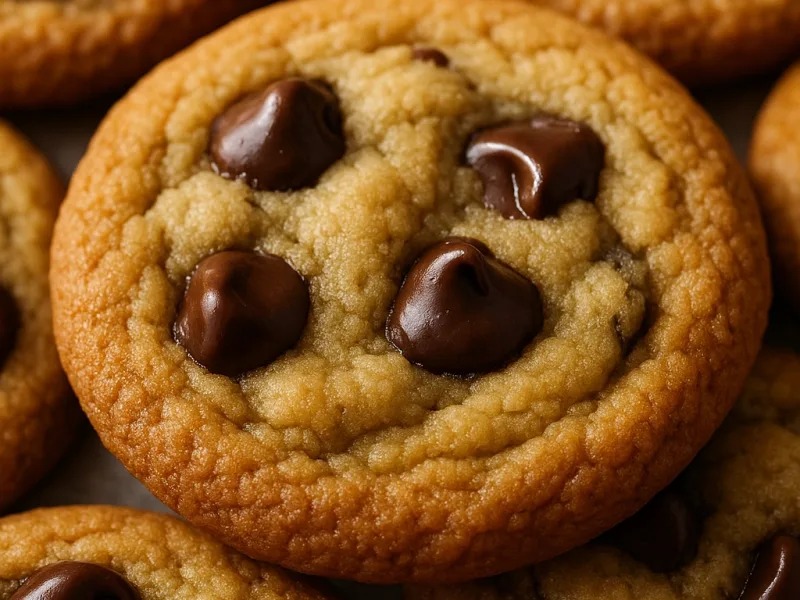
Expert Techniques for Achieving Bakery-Quality Texture and Flavor
Creating soft and chewy cookies is a delicate balance of science, precision, and artistry. Each ingredient plays a vital role in determining texture, flavor, and moisture retention. From the type of sugar used to the baking temperature and resting time, every step influences how the final cookie turns out. Whether you love the classic chocolate chip cookie or enjoy experimenting with modern flavor combinations, mastering the fundamentals ensures consistently delicious results.
The Science of Soft and Chewy Texture
The secret behind irresistibly soft cookies lies in the moisture content and fat-to-flour ratio. Using brown sugar instead of white adds not only a deeper caramel flavor but also extra moisture due to its molasses content. Butter creates richness and tenderness, while eggs act as a binding agent, providing both structure and softness.
A slightly lower baking temperature allows the cookies to spread slowly, creating that perfect contrast between crispy edges and a soft, chewy center. Allowing the dough to rest before baking lets the flour absorb moisture, resulting in improved texture and flavor depth.
Key Ingredients and Their Functions
Understanding ingredient roles is crucial for achieving professional-quality cookies:
- Butter – Adds flavor and softness through its fat content. Melted butter leads to a chewier texture, while creamed butter makes cookies lighter.
- Brown sugar – Retains moisture, giving cookies a dense, chewy center.
- White sugar – Promotes crispness and aids in spreading.
- Flour – The foundation of structure; using all-purpose flour balances chewiness and stability.
- Eggs – Provide richness, moisture, and binding properties.
- Baking soda – Encourages spreading and creates a tender crumb.
- Salt – Enhances flavor and balances sweetness.
- Vanilla extract – Deepens flavor complexity and aroma.
From Tradition to Modern Baking
The origin of cookies dates back to 7th-century Persia, where sugar became widely available. Traders later introduced the concept to Europe, and by the 17th century, cookies were a beloved part of both European and American cuisine. Over time, regional variations emerged — from buttery shortbread in Scotland to gooey chocolate chip cookies in the United States, each culture added its own signature twist. Today, bakers combine traditional techniques with modern innovations like brown butter, sea salt finishes, and gluten-free flours to create gourmet results at home.
Expert Techniques for Perfect Results
Professional bakers use subtle adjustments to achieve excellence in texture and flavor:
- Chill the dough for at least 24 hours to enhance chewiness.
- Use high-quality vanilla extract for a richer aroma.
- Replace part of the flour with bread flour for a stronger gluten network and more chew.
- Add a touch of cornstarch for a tender, melt-in-your-mouth interior.
- Bake one tray at a time for consistent heat distribution.
Common Mistakes to Avoid
Even experienced bakers can make small errors that affect the final texture:
- Overmixing the dough results in tough cookies.
- Baking too long dries them out; remove when edges are golden but centers appear slightly underbaked.
- Skipping the resting step leads to uneven texture and spreading.
- Incorrect flour measurement can ruin the balance of moisture and structure.
Creative Flavor Variations
Modern cookie creations often merge traditional foundations with bold, global flavors. Try these ideas for inspiration:
- Salted caramel chocolate chip – balances sweetness with a touch of sea salt.
- White chocolate and macadamia nut – creamy and crunchy contrast.
- Espresso and dark chocolate – perfect for coffee lovers.
- Lemon zest and pistachio – a fresh Mediterranean twist.
- Peanut butter and oats – hearty and satisfying texture.
Practical Ideas and Simple Tricks
- Roll cookies into uniform balls for even baking.
- Line baking sheets with parchment paper for smoother bottoms.
- Store cookies with a slice of bread in an airtight container to retain softness.
- Freeze portions of cookie dough for on-demand baking.
- Drizzle melted chocolate or sprinkle flaky salt right after baking for a gourmet finish.
Useful Combinations and Pairings
Soft and chewy cookies pair beautifully with various beverages and desserts:
- Milk or hot chocolate for a nostalgic treat.
- Espresso or cappuccino to complement sweetness.
- Vanilla ice cream sandwiched between two cookies for a decadent dessert.
- Fresh berries or lemon curd for a lighter, fruity contrast.
Inspiration from Traditional and Modern Cuisine
From French sablés to American-style chocolate chip cookies, the art of baking has evolved to reflect different textures and cultural preferences. Modern bakers experiment with ingredients like almond flour, matcha powder, and sea salt flakes, creating combinations that merge tradition and innovation. The key to perfection remains the same — balance sweetness, fat, and moisture with precision and care.
Why This Method Works
This approach focuses on moisture control, proper fat ratios, and resting time, all essential to achieving bakery-quality results. By understanding how ingredients interact and adapting classic methods to modern preferences, you can consistently produce soft, chewy, flavorful cookies that stay fresh longer and delight every palate.
Chef’s Tip
For an extra depth of flavor, try browning the butter before mixing. This technique enhances the nuttiness and aroma, giving your cookies a luxurious, toffee-like finish that elevates even the simplest recipe into a professional masterpiece.