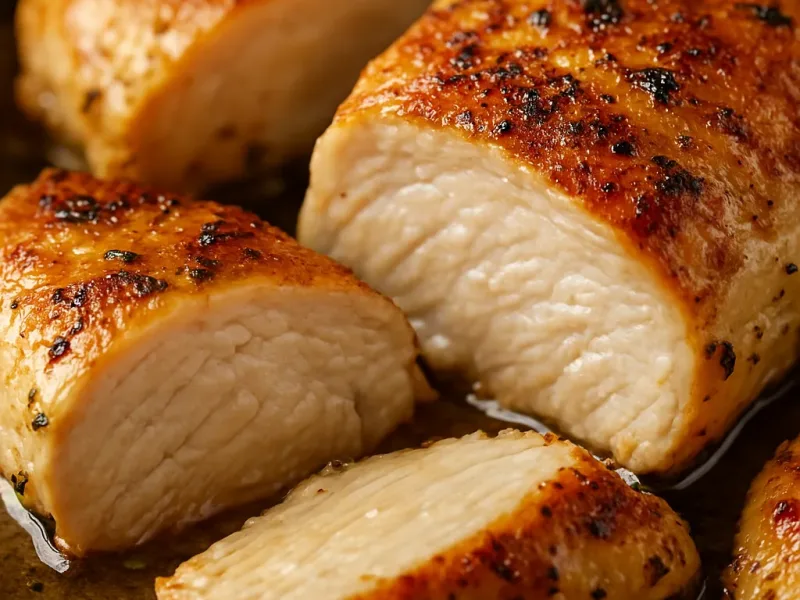
Professional guidance for consistently tender results
Understanding moisture retention in poultry
Achieving juicy chicken relies on controlling temperature, managing muscle fibers, and using methods that preserve internal moisture. When chicken cooks too quickly or at excessively high heat, proteins contract, pushing out natural juices. By applying chef techniques like controlled resting, gentle heat, balanced seasoning, and smart preparation, the texture becomes tender, succulent, and flavorful. These principles apply to every cut—breasts, thighs, drumsticks, and whole roasted birds.
Historical context and origin of moisture-focused methods
Early cooks across Mediterranean and Middle Eastern regions discovered that marinating poultry in acidic and aromatic mixtures prevented drying during long cooking. With time, European chefs refined gentle-heat approaches, while modern culinary schools introduced precision techniques like brining, butter basting, and low-temperature roasting. Today, these traditions merge with new tools, creating a universal foundation for maintaining moisture in chicken dishes.
Core principles chefs use to keep chicken juicy
Temperature precision
Keeping internal heat stable is essential. Controlled cooking—whether sautéing, grilling, roasting, or poaching—ensures chicken stays tender. Lower temperatures allow juices to remain inside the meat, creating a succulent texture.
Flavor carriers that protect moisture
Ingredients that support juiciness often include:
- Fat sources such as butter or olive oil
- Acidic components like lemon juice or yogurt
- Moisture binders such as salt from brines
- Aromatics that penetrate fibers and soften texture
These elements allow chicken to retain more natural juices while enhancing taste.
Techniques from classic and modern cooking
Brining and dry-brining
A salt-based brine restructures proteins, letting the meat hold more moisture. Dry-brining adds flavor concentration and surface crispness.
Marinades that hydrate
Yogurt, buttermilk, or citrus-based marinades soften fibers while boosting moisture retention. They form a protective layer that shields the meat during heat exposure.
Searing and finishing gently
Searing locks in flavor through caramelization, while finishing at a lower temperature maintains tenderness. This balance is a hallmark of professional kitchens.
Resting for juice redistribution
Allowing cooked chicken to rest before slicing enables internal juices to settle evenly, preventing dryness and ensuring a tender bite.
Practical ideas, simple tricks, and useful combinations
- Use herb-infused oils to coat chicken before grilling for both moisture and aroma.
- Combine citrus zest with mild dairy for marinades that achieve softness and brightness.
- Try slow-roasted chicken thighs finished with a quick broil for crisp skin without losing moisture.
- Pair lean chicken breasts with moisture-preserving accompaniments like roasted vegetables in olive oil.
- Use pan sauces created from drippings to reinforce flavor and juiciness.
Inspiration from traditional and modern cuisine
- Mediterranean cooks rely on olive oil, garlic, and lemon to maintain tenderness.
- Indian cuisine uses yogurt marinades to soften chicken in tandoor-style dishes.
- East Asian preparations apply soy-based marinades, offering both seasoning and hydration.
- Contemporary chefs utilize sous-vide techniques to achieve consistent moisture levels unmatched by traditional cooking methods.
Chef’s tip
Rubbing chicken with a thin layer of fat before cooking—whether butter, ghee, or oil—creates an even barrier against intense heat, elevating tenderness and enhancing browning.
Why this method works
- Moisture remains inside the meat due to controlled protein contraction.
- Balanced seasoning opens the muscle structure for better juice retention.
- Gentle heat preserves the natural water content of the fibers.
Common mistakes
- Cooking directly from the refrigerator, which causes uneven doneness.
- Cutting chicken immediately after cooking, leading to juice loss.
- Using excessively high heat during the entire cooking process.