Techniques, traditions, and modern methods to elevate homemade bread
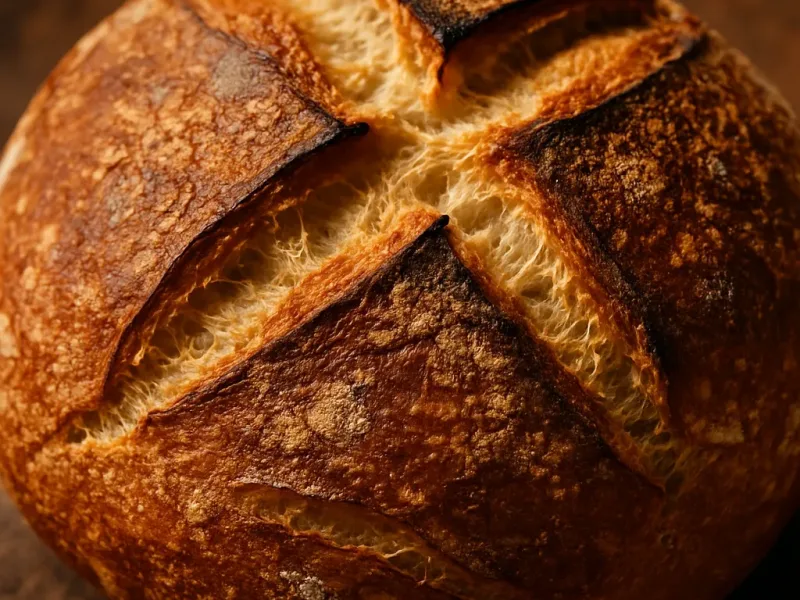
A crisp bread crust is one of the most satisfying qualities in a loaf of freshly baked bread. It provides contrast to the soft, airy crumb inside and enhances the overall flavor experience. Achieving that golden, shattering crunch at home is possible with the right techniques, careful ingredient handling, and a deep understanding of how heat, steam, and fermentation interact. Bakers throughout history have refined these methods, leaving us with timeless knowledge that we can now combine with modern culinary science.
A short history of crust development
The art of breadmaking stretches back thousands of years, with early civilizations in Egypt and Mesopotamia already mastering fermentation. Traditionally baked in clay ovens, bread often developed a natural crisp crust thanks to high heat and retained steam. European wood-fired ovens in the Middle Ages continued this tradition, producing loaves with deep flavor and characteristic crust. Today, the pursuit of crust perfection blends heritage techniques with contemporary kitchen tools, ensuring that homemade loaves can rival those from professional bakeries.
Factors that influence a crisp crust
Steam and moisture
- Introducing steam in the first minutes of baking helps the crust expand before it sets, leading to a glossy, crisp surface.
- A simple way at home is to place a pan of hot water in the oven or mist the dough just before baking.
Heat and baking surface
- Baking stones or steel retain heat, creating strong bottom crusts.
- Higher oven temperatures at the start of baking encourage caramelization and deeper color.
Dough hydration and fermentation
- Properly hydrated dough ensures elasticity and open crumb structure.
- Slow fermentation allows natural sugars to develop, enhancing both crust color and crunch.
Practical ideas and simple tricks
- Bake on a preheated stone or steel for maximum heat transfer.
- Use steam for the first 10–15 minutes to keep the dough surface elastic.
- Brush the loaf lightly with water before placing it in the oven for a shinier finish.
- Slash the dough confidently with a sharp blade to control expansion.
- Leave the bread in the oven with the door slightly open for a few minutes after baking to let excess moisture escape.
Useful combinations from tradition and modern cuisine
- Rustic country breads often combine rye and wheat flours, yielding earthy flavors with strong crusts.
- Adding a touch of olive oil or malt syrup enhances browning and deepens taste.
- Seeds such as sesame or sunflower not only add nutrition but also toast beautifully on the crust.
- For a modern touch, pair sourdough loaves with roasted vegetables, artisan cheeses, or infused oils.
Inspiration for perfect homemade loaves
- Traditional French baguettes showcase long fermentation and high-heat baking, producing thin, glass-like crusts.
- Italian ciabatta emphasizes open crumb and blistered crust through high hydration and olive oil.
- German farmers’ breads use mixed flours and long proofing for robust, chewy crusts.
- Contemporary bakers experiment with flavored crusts, incorporating herbs, spices, or grains.
Why crust matters
A crisp crust is not only about texture but also about flavor development. During baking, natural sugars caramelize and proteins undergo the Maillard reaction, producing nutty, roasted aromas. This makes each bite more complex and satisfying. The crust also acts as a protective layer, keeping the interior fresh for longer and preserving the bread’s structure.
Chef’s tip
Always allow the bread to cool completely on a wire rack before slicing. This prevents steam from softening the crust and ensures the loaf retains its crispness. Patience is essential—cutting too soon can undo hours of careful work.
Common mistakes to avoid
- Baking at too low a temperature leads to pale, soft crusts.
- Forgetting steam in the early baking stages makes the crust thick and tough instead of thin and crisp.
- Overproofing results in collapsed loaves with uneven crust formation.
- Using dull blades for scoring tears the dough instead of creating clean cuts.
By combining historical techniques, practical tricks, and modern insights, every baker can achieve a crisp crust on homemade bread that delights the senses. Each loaf becomes a testament to craftsmanship, where tradition meets creativity, and the kitchen transforms into a personal bakery.