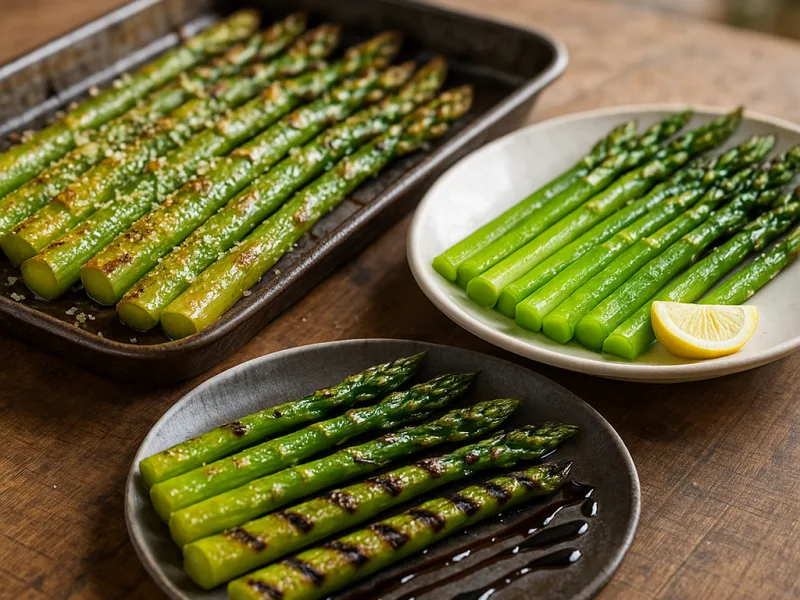
What Makes Asparagus a Springtime Favorite?
Asparagus is a versatile and nutrient-rich vegetable, celebrated for its earthy flavor, crisp texture, and simple preparation methods. Whether you're roasting it in the oven, steaming it until just tender, or grilling it to achieve that perfect char, asparagus offers something for every palate. In this guide, you’ll learn how to cook asparagus using different techniques while preserving its vibrant green color, natural sweetness, and nutritional value.
How to Choose and Store Fresh Asparagus
Selecting the Best Asparagus Spears
To cook perfect asparagus, you need to start with fresh, high-quality stalks. Look for the following characteristics:
- Firm, straight spears with closed, compact tips
- A bright green color with a slight purple tinge near the tips
- Stalks that are uniform in thickness for even cooking
Avoid spears that are limp, dry, or shriveled at the ends.
Proper Storage to Retain Freshness
Once purchased, asparagus should be used within a few days. To extend its freshness:
- Trim the ends slightly and place the spears upright in a jar with about 2.5 cm (1 inch) of water.
- Cover loosely with a plastic bag and store in the refrigerator.
- Alternatively, wrap the ends in a damp paper towel and keep them in a perforated plastic bag.
Prepping Asparagus for Cooking
Washing and Trimming
Before cooking, rinse asparagus thoroughly to remove any dirt or sand, especially near the tips. Then, snap off the woody ends by bending each stalk near the base—they will naturally break at the right point.
Alternatively, trim the ends with a knife to create uniform lengths.
Peeling (Optional)
Thicker stalks may have tougher skins. In that case, use a vegetable peeler to gently remove the outer layer from the lower part of the stalk.
Roasting Asparagus in the Oven
Why Roast Asparagus?
Roasting brings out a deep, nutty flavor and provides a slightly crispy texture. This method is ideal for caramelizing the natural sugars in asparagus.
Step-by-Step Roasting Guide
- Preheat the oven to 220°C (425°F).
- Line a baking sheet with parchment paper.
- Spread the trimmed asparagus in a single layer.
- Drizzle with extra virgin olive oil, and sprinkle with salt and freshly ground black pepper.
- Optional: Add minced garlic, lemon zest, or parmesan cheese for extra flavor.
- Roast for 12–15 minutes, depending on the thickness of the stalks. Flip once halfway through for even browning.
The spears should be tender with golden brown edges.
Steaming Asparagus for a Healthy Option
Why Choose Steaming?
Steaming preserves the bright green color, natural flavor, and essential nutrients of asparagus. It’s an ideal method if you're watching your fat intake.
How to Steam Asparagus Perfectly
- Place a steamer basket over a pot with about 2.5 cm (1 inch) of boiling water.
- Add asparagus to the basket in a single layer.
- Cover and steam for 3–6 minutes, depending on stalk thickness.
- Remove immediately and transfer to a bowl of ice water if you want to stop the cooking process and retain color.
Season with a drizzle of olive oil or a squeeze of lemon juice before serving.
Grilling Asparagus for a Smoky Finish
Benefits of Grilling Asparagus
Grilling imparts a smoky, charred flavor that enhances the natural taste of asparagus. It’s perfect for outdoor cooking and barbecues.
Best Grilling Method
- Preheat your grill to medium-high heat.
- Toss asparagus with olive oil, salt, and pepper.
- Lay the spears perpendicular to the grill grates or use a grill basket.
- Cook for 5–7 minutes, turning occasionally until nicely charred.
Serve immediately, topped with balsamic glaze or crumbled feta.
Boiling and Blanching Asparagus
Quick and Simple Technique
Boiling is a fast way to prepare asparagus, especially when you need it as an ingredient in salads or pasta.
Boiling Instructions
- Bring a pot of salted water to a boil.
- Add asparagus and cook for 2–4 minutes, depending on size.
- Drain and serve immediately, or plunge into ice water if blanching.
Blanching helps retain color and firmness when asparagus is used in cold dishes.
Sautéing Asparagus on the Stovetop
Fast and Flavorful
Sautéing in a skillet is another quick method, allowing for customized seasoning and rapid cooking.
Sautéing Instructions
- Heat a tablespoon of olive oil or butter in a pan over medium-high heat.
- Add trimmed asparagus and cook, stirring frequently.
- After 5–8 minutes, the asparagus should be tender-crisp.
- Finish with garlic, lemon, or herbs for extra flavor.
Cooking Asparagus in an Air Fryer
A Modern Approach
The air fryer offers a crisp exterior without using much oil. It’s a convenient and healthier alternative to traditional frying.
Air Fryer Method
- Preheat your Air Fryer to 200°C (400°F).
- Lightly coat asparagus with olive oil and seasoning.
- Air fry for 7–10 minutes, shaking the basket halfway through.
Expect golden tips and tender stalks.
Using Asparagus in Everyday Dishes
Salads and Bowls
Add lightly cooked asparagus to grain bowls, pasta salads, or green salads. It pairs well with ingredients like quinoa, feta, cherry tomatoes, and vinaigrette.
Omelets and Frittatas
Incorporate steamed or sautéed asparagus into egg-based dishes for a pop of color and flavor.
Pasta and Risottos
Toss roasted asparagus with lemon pasta or stir into creamy risottos for a satisfying main course.
Health Benefits of Asparagus
Nutritional Powerhouse
Asparagus is low in calories but rich in essential nutrients. One cup (about 134g) of cooked asparagus provides:
- 3.6g fiber, aiding digestion
- 2.9g protein, for muscle repair
- Vitamin K (57% of the daily recommended intake)
- Folate, crucial for cell development
- Antioxidants like vitamins A, C, and E
Potential Health Benefits
- Supports healthy digestion due to high fiber content
- Acts as a natural diuretic, reducing water retention
- Helps with heart health through anti-inflammatory compounds
- May support healthy pregnancy because of its folate levels
Frequently Asked Questions About Cooking Asparagus
How do I keep asparagus from getting soggy?
Avoid overcooking. Whether steaming or roasting, monitor the time closely and remove from heat as soon as it’s tender.
Can I eat asparagus raw?
Yes! Thinly sliced raw asparagus adds crunch to salads and slaws.
What herbs and seasonings go well with asparagus?
Popular pairings include:
- Lemon zest and juice
- Parmesan cheese
- Garlic and shallots
- Tarragon, thyme, and parsley
Can I freeze cooked asparagus?
It’s best to blanch and freeze raw asparagus. Cooked asparagus can turn mushy when frozen and thawed.
Final Tips for Cooking Asparagus Perfectly
- Use uniform stalks for even cooking.
- Don’t be afraid to season generously.
- Mix textures by combining roasted tips with steamed stalks.
- Try different cooking methods depending on your dish and preference.
Cooking asparagus doesn’t need to be intimidating. With the right method and a few simple tips, you can enjoy this seasonal vegetable in countless delicious ways.