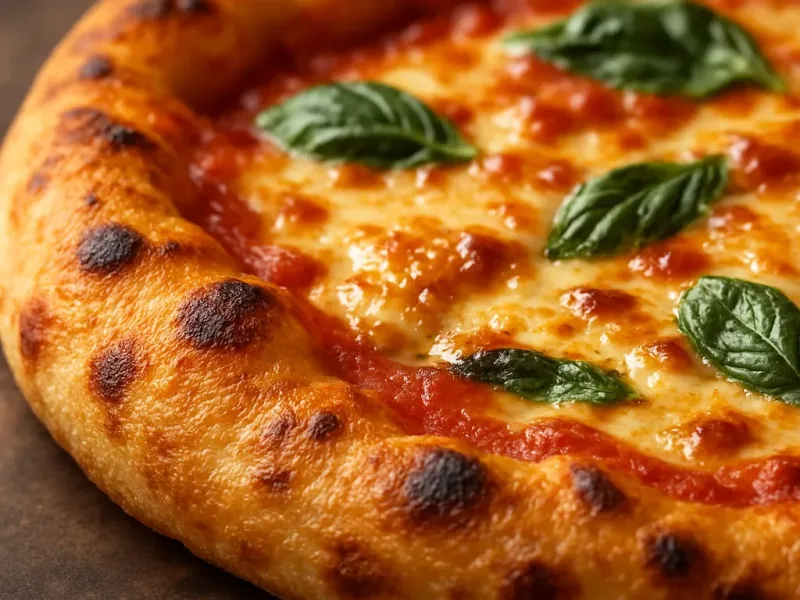
Mastering texture, flavor, and a golden crust
Creating an authentic pizza with a golden brown crust is an art that combines precise technique, quality ingredients, and a balance of tradition with innovation. The foundation of great pizza lies in the dough and the way it responds to heat. Achieving that distinctive crisp yet airy crust depends on hydration levels, resting time, and baking method. From a rustic Neapolitan pizza to a modern New York–style slice, the golden crust is the signature that defines excellence.
The origin and history of pizza
Pizza has its roots in Naples, Italy, where bakers in the 18th century began preparing flatbreads topped with tomatoes, cheese, and olive oil. This humble dish quickly spread across regions and continents, adapting to local flavors and evolving into countless variations. Today, pizza remains one of the most beloved dishes worldwide, celebrated for its versatility and cultural identity.
Key factors influencing a golden brown crust
- Dough hydration: Higher water content in the dough helps create a lighter, crispier crust.
- Fermentation time: Allowing dough to rest and rise slowly enhances flavor and texture.
- Baking temperature: High heat is essential to produce caramelization and the characteristic golden hue.
- Baking surface: Pizza stones, steel plates, or wood-fired ovens retain heat and ensure even cooking.
Ingredients that matter most
- Strong bread flour with high protein content for better gluten structure.
- Quality yeast for reliable fermentation.
- Extra virgin olive oil for subtle flavor and browning.
- Sea salt to balance flavors.
- Fresh toppings that release minimal moisture to avoid soggy bases.
Practical ideas and useful tricks
- Preheat your oven for at least 30 minutes to maximize heat retention.
- Dust your pizza peel with semolina flour to prevent sticking and to enhance crispness.
- Use a thin layer of sauce to avoid excess moisture while still delivering flavor.
- Brush the dough edges with olive oil before baking for intensified color and aroma.
Traditional and modern inspirations
- Traditional Neapolitan style: Soft, chewy interior with charred, blistered edges from wood-fired baking.
- Roman pizza al taglio: Rectangular, baked in large trays, offering a lighter, crunchy base.
- New York style: Foldable slices with a balanced chew and crispness.
- Modern gourmet pizzas: Incorporating unique toppings such as truffle oil, fig jam, or smoked cheeses.
Flavorful combinations to try
- Classic Margherita with mozzarella, basil, and tomatoes.
- White pizza with ricotta, garlic, and spinach.
- Prosciutto and arugula added after baking for freshness.
- Spicy chorizo with roasted peppers for a smoky profile.
Simple tricks for consistency
- Always let the dough come to room temperature before shaping.
- Stretch dough gently by hand rather than rolling to maintain air pockets.
- Rotate the pizza halfway through baking for even color.
- Allow the baked pizza to rest briefly before slicing, preventing loss of toppings.
Chef’s tip
A drizzle of high-quality olive oil or a sprinkle of finishing salt just after baking enhances both aroma and flavor, elevating even the simplest pizza.
Common mistakes to avoid
- Overloading toppings, which can weigh down the crust.
- Using cold dough straight from the fridge, leading to uneven baking.
- Baking at too low a temperature, resulting in pale and dense crust.
- Not allowing proper fermentation, which diminishes flavor depth.
Why these methods work
The science behind a golden crust lies in caramelization and Maillard reaction. High heat activates these processes, creating the characteristic brown color and complex flavors. When hydration and fermentation are balanced, the dough bakes into a crust that is crisp on the outside yet tender inside.
Inspiration for creative baking
Pizza can be more than a main dish—it can become a fast dinner idea, a vegetarian dish, or even a refined centerpiece for special occasions. Experimenting with seasonal produce, artisanal cheeses, and international spices allows endless combinations while keeping the essence of a perfect golden crust intact.
Structured summary for success
- Use high-protein flour and allow dough to ferment slowly.
- Bake at the highest temperature your oven supports.
- Employ pizza stones, steels, or wood-fired ovens for superior results.
- Keep toppings light and balanced.
- Finish with a drizzle of olive oil or fresh herbs for enhanced presentation.
By combining historical roots, technical mastery, and modern culinary creativity, baking pizza with a golden brown crust becomes not only achievable but also a rewarding experience that reflects both authenticity and innovation.