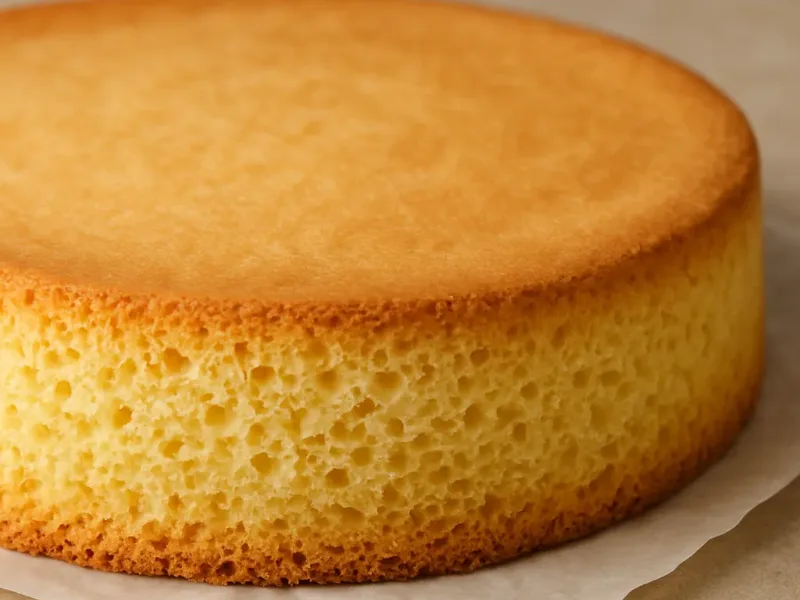
Techniques for Consistently Tender Cake Layers
A flat, soft cake sponge is the foundation of elegant layer cakes, delicate tortes, and professional-style pastries. While many home bakers struggle with domed or dry results, mastering the techniques that guarantee even rise and lasting softness transforms every baking project. Whether preparing a birthday cake, a wedding centerpiece, or a simple afternoon dessert, achieving that soft, airy texture with a perfectly level surface is both an art and a science.
The origin of sponge cakes
The sponge cake has its roots in the Renaissance, believed to have been first prepared in Italy before spreading to France and England. By the 17th century, sponges became prized for their light texture, created without yeast but by whipping eggs into a foam. Over time, techniques evolved, leading to the refined methods that ensure light, moist, and flat sponge cakes found in both traditional European patisserie and modern layered desserts.
Key principles for a flat and soft sponge
Ingredient balance
- Proper ratio of eggs, sugar, and flour keeps the sponge elastic and tender.
- Adding fats such as melted butter or oil ensures moist crumb and reduces dryness.
- Precise measurement is crucial—too much flour causes heaviness, while excess liquid creates instability.
Mixing techniques
- Whipping eggs to the right volume incorporates air, giving the sponge its signature lightness.
- Folding dry ingredients gently prevents loss of air bubbles and helps keep the structure uniform.
Baking conditions
- Using the right oven temperature avoids rapid rising and collapsing.
- Even heat distribution in the oven helps the sponge bake uniformly with no dome.
- A well-prepared pan lined with parchment promotes even rise and easy release.
Practical ideas and simple tricks
- Use baking strips around the pan to maintain even heat and reduce doming.
- Avoid opening the oven door too early; sudden temperature changes disturb the structure.
- Tap the pan lightly on the counter before baking to release large air bubbles.
- Level the surface with a long knife after cooling if slight unevenness occurs.
Useful combinations in traditional and modern cuisine
- Pair a classic vanilla sponge with fruit fillings such as strawberry, raspberry, or apricot for freshness.
- Layer a chocolate sponge with cream cheese or mascarpone for richness.
- Combine sponge layers with coffee syrup, custard, or liqueurs for elegant desserts.
- In modern pastry, sponges are often paired with mousse, mirror glaze, or praline for refined finishes.
Inspiration from traditional and modern baking
From Victorian-era tea cakes to contemporary entremets, the sponge cake remains central to celebrations and everyday indulgence. Traditional recipes rely on simplicity and balance, while modern approaches emphasize creativity, decorative finishes, and innovative pairings. This versatility allows bakers to adapt sponges to countless flavor profiles, textures, and cultural styles.
Common mistakes and how to avoid them
Overmixing
Excessive folding causes gluten development, resulting in dense sponges.
Wrong oven temperature
High heat makes the cake dome, while low heat can dry it out. A moderate, steady bake ensures softness and evenness.
Poor ingredient quality
Old eggs or low-grade flour reduce volume and structure. Fresh, high-quality ingredients always produce superior results.
Why these methods work
- Consistency in measurements ensures balance and stability.
- Gentle handling preserves the delicate foam structure of whipped eggs.
- Controlled baking prevents sudden expansion and collapse, giving a flat, soft sponge ideal for layering.
Professional and home uses
A flat sponge cake is essential for:
- Birthday cakes with buttercream or fondant
- Multi-layer wedding cakes requiring structural stability
- Simple roulades filled with jam or cream
- Modern plated desserts paired with sorbets and sauces
Final expert tips
- Always allow the sponge to cool completely before filling or decorating.
- Store layers wrapped in film to retain moisture before assembly.
- For added softness, brush cooled sponges with a light syrup.
A soft, flat cake sponge combines tradition, technique, and creativity. By understanding its origins, applying precise methods, and exploring both classic and modern combinations, bakers can consistently produce cakes that are both visually flawless and delightfully tender. This timeless foundation continues to inspire recipes across cultures and remains a symbol of mastery in the world of baking.