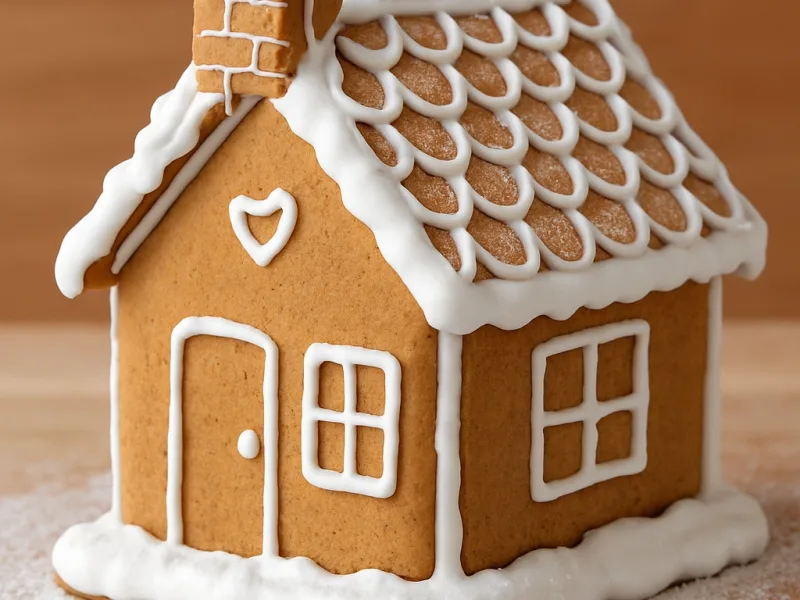
Expert Tips and Decorating Ideas for Perfect Holiday Results
Building a gingerbread house is more than a festive activity — it’s a creative culinary art that blends baking precision, architectural imagination, and decorative skill. Whether you’re crafting your first house or refining your holiday tradition, understanding the structure, texture, and decorating techniques can make the difference between a collapsing project and a show-stopping centerpiece.
The Sweet Origin of Gingerbread Houses
The tradition of gingerbread houses dates back to 16th-century Germany, where bakers began sculpting spiced dough into elaborate homes inspired by the fairy tale Hansel and Gretel. These edible works of art became symbols of warmth, hospitality, and festive joy. Over time, the tradition spread across Europe and North America, evolving into a beloved Christmas baking ritual celebrated for its creativity and flavor.
Essential Foundations for a Perfect Gingerbread House
A sturdy gingerbread house begins with precision baking and accurate measurements. Use a firm dough designed to hold its shape — avoid recipes meant for soft cookies. When baking, allow the walls and roof to cool completely before assembling to ensure stability.
Key factors for success include:
- Texture: The dough should be firm yet pliable.
- Uniform thickness: Aim for about 0.5 cm (¼ inch) to prevent warping.
- Even baking: Rotate trays halfway through to ensure consistent color.
- Cooling time: Let baked pieces rest for at least 2 hours before construction.
Assembling with Precision and Confidence
When building your structure, royal icing acts as both adhesive and decoration. It should be thick enough to hold pieces together without sliding. Pipe icing along the edges and allow each section to dry before adding the next. For better support, use cans or jars to stabilize walls as they set.
Assembly tips for stability:
- Use a strong base such as a wooden board or thick cardboard.
- Apply icing generously on interior joints for added strength.
- Allow the structure to dry overnight before adding roof decorations.
- Avoid humidity — moisture weakens icing and softens gingerbread.
Decorating Inspiration: From Classic to Contemporary
The beauty of a gingerbread house lies in its limitless design potential. Combine traditional patterns with modern textures for a striking result.
Decorating ideas include:
- Traditional elegance: Use royal icing snow patterns, silver dragées, and white sugar dust.
- Colorful modern look: Add pastel candy, edible glitter, and fondant accents.
- Rustic charm: Decorate with dried fruit, almonds, and a dusting of icing sugar for a natural aesthetic.
- Minimalist design: Opt for monochromatic tones and clean geometric lines.
Practical Ideas and Simple Tricks
To elevate your gingerbread artistry, focus on detail and planning. Here are expert-approved techniques to simplify the process:
- Blueprint first: Sketch your design before baking. Templates help maintain proportion and symmetry.
- Pre-bake adjustments: Trim warm gingerbread pieces with a knife for perfect edges.
- Temperature control: Slightly warm royal icing flows better and sets cleaner.
- Storage secret: Keep finished houses in cool, dry areas away from direct sunlight.
- Decorating shortcuts: Use small piping bags or zip bags with cut corners for precise details.
Useful Combinations for Flavor and Aesthetics
Pairing flavor and texture enhances both visual and taste appeal. A gingerbread house can be delicious as well as decorative.
Perfect pairings include:
- Spiced gingerbread with orange zest and clove.
- Chocolate icing with peppermint candy.
- Honey-based dough combined with almond or nut decorations.
- Lemon royal icing for a refreshing balance to the rich spices.
Inspiration from Traditional and Modern Cuisine
Modern pastry chefs draw inspiration from classic European baking and innovative culinary trends to transform gingerbread houses into edible art. In professional kitchens, precision cutters and airbrushed sugar work meet time-honored spiced dough recipes.
Examples of inspired styles:
- Nordic simplicity: Natural tones, minimal icing, and subtle spice.
- French patisserie touch: Macarons and meringue kisses as roof décor.
- American extravagance: Bright candy, gumdrops, and bold colors.
- Contemporary minimalism: Sleek designs emphasizing texture over color.
Why These Methods Work
The structural integrity of a gingerbread house depends on how moisture, sugar, and temperature interact. The low water content in the dough prevents collapse, while royal icing hardens into a sugar cement that secures each piece. Cooling and drying times ensure balance between flexibility and firmness, creating an enduring edible sculpture.
Common Mistakes to Avoid
Even skilled bakers can encounter pitfalls. Prevent them with these essential reminders:
- Don’t rush drying time; icing needs hours to set.
- Avoid overbaking — too dark means brittle edges.
- Don’t overload with candy; excess weight can cause collapse.
- Store in a dry environment — humidity ruins texture and color.
Chef’s Tip
For a polished finish, add a thin coat of icing sugar dust or edible glitter before final presentation. This creates the illusion of fresh snow and enhances the festive charm.
Bringing Creativity to the Table
A gingerbread house is more than decoration — it’s a sensory celebration of the holidays, combining spice, craftsmanship, and nostalgia. Each step, from rolling the dough to adding the last sprinkle of sugar, invites both artistry and joy. By following these expert insights and embracing both traditional and modern influences, every baker can craft a masterpiece worthy of the festive season.