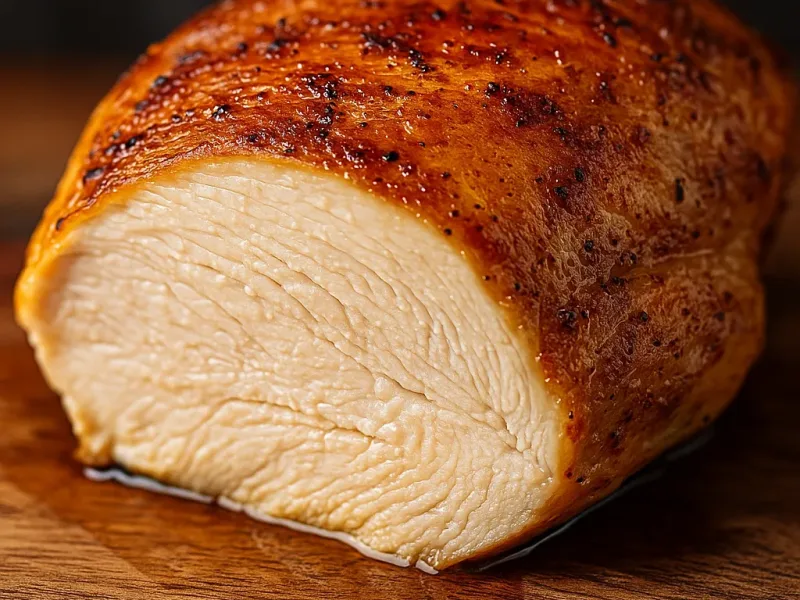
Key Techniques for Avoiding the Most Common Chicken Errors
Understanding frequent chicken cooking mistakes
Many home cooks unknowingly repeat small errors that lead to dry chicken, uneven cooking, or bland flavor. Mastering poultry requires attention to temperature control, seasoning balance, and preparation technique. By identifying these common pitfalls, it becomes easier to create consistently tender and juicy chicken dishes suitable for everyday meals or special occasions.
Origins and historical background
Chicken has been a culinary staple for thousands of years, from ancient Mediterranean kitchens to Asian street-food traditions. Its global popularity stems from its versatility, mild flavor, and ability to absorb marinades and spices. Over time, regional techniques developed—from slow stewing to high-heat roasting—shaping the modern understanding of poultry preparation.
Common errors that affect chicken quality
Overcooking and temperature mistakes
- Using high heat for too long causes moisture loss.
- Not using a thermometer often results in undercooked or dry texture.
- Cutting chicken immediately after cooking allows juices to escape.
Poor seasoning and flavor imbalance
- Applying salt only on the surface creates uneven taste.
- Skipping marination reduces depth and tenderness.
- Using too much sugar in glazes can burn the exterior.
Incorrect preparation before cooking
- Cooking straight from the refrigerator leads to uneven cooking.
- Rinsing chicken spreads bacteria and disrupts texture.
- Trimming too much fat removes natural flavor and moisture.
Practical ideas and simple improvements
Techniques that prevent dryness
- Allow chicken to reach room temperature for a more even cook.
- Use a meat thermometer to reach 75°C (165°F) at the thickest part.
- Rest cooked chicken for a few minutes before slicing.
Flavor-enhancing tricks
- Combine acid (lemon, vinegar), fat (oil, yogurt), and aromatics (garlic, herbs) for balanced marinades.
- Season under the skin for deeper flavor development.
- Add natural umami sources such as soy sauce, miso, or smoked paprika.
Useful ingredient combinations
- Lemon + thyme for bright Mediterranean notes.
- Ginger + garlic for classic Asian depth.
- Honey + mustard for a family-friendly chicken profile.
Inspiration from traditional and modern cuisine
Classic influences
- French pan-seared chicken uses butter basting for richness.
- Italian dishes highlight herbs, olive oil, and gentle braising.
- Middle Eastern methods rely on warm spices and slow roasting.
Contemporary approaches
- High-heat air frying creates crisp skin with less oil.
- Sous-vide cooking ensures perfect internal temperature.
- Sheet-pan methods offer a fast dinner idea ideal for busy households.
More practical ideas for everyday cooking
Quick adjustments that improve results instantly
- Use bone-in pieces for extra juiciness.
- Create a simple dry brine with salt for better moisture retention.
- Add moisture through broth or pan sauces for quick dinner idea versatility.
Smart pairings
- Serve chicken with roasted vegetables for a balanced healthy meal idea.
- Pair spicy chicken with cooling yogurt sauces.
- Complement grilled chicken with fresh seasonal salads.
Why these methods work
Science behind juicy chicken
- Salt breaks down proteins, improving tenderness.
- Controlled heat prevents water loss.
- Resting redistributes internal juices.
Common mistakes to avoid in modern kitchens
Overcrowding the pan
Too many pieces lower the temperature, preventing browning and creating a steamed texture.
Ignoring carryover cooking
Removing chicken at perfect temperature may still result in dryness as heat continues to rise—anticipate a slight increase by pulling it just before the final target.
Using the wrong pan
Nonstick pans often limit browning; cast-iron or stainless steel provides superior caramelization and deeper flavor.
Practical inspiration for every cook
- Try spice blends like za’atar, garam masala, or Cajun seasoning.
- Explore global sauces such as chimichurri, harissa, or teriyaki.
- Combine traditional roasting with modern finishing techniques for layered flavor.
Chef’s tip
Let marinades work for at least 30 minutes, but avoid overly long acidic marinades—they can make the texture mushy. Using a balanced mixture ensures tender, flavorful results without compromising structure.