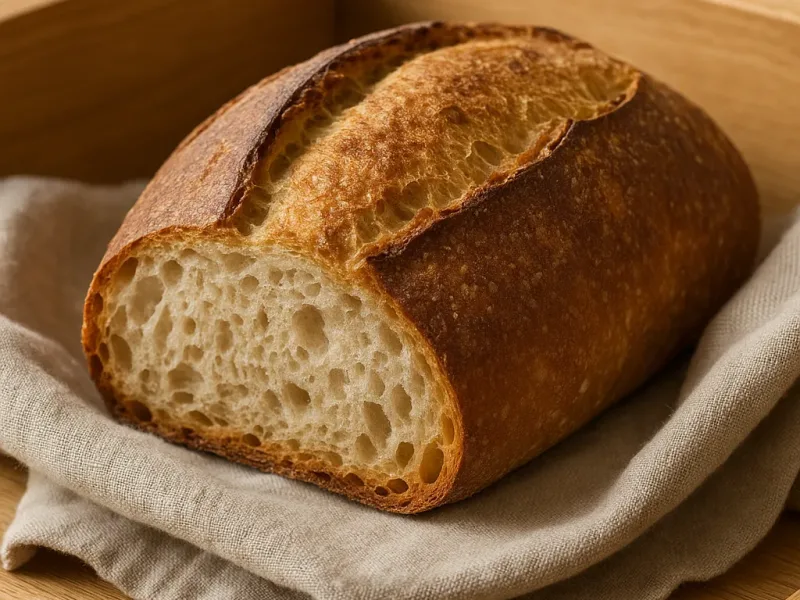
Effective storage methods to prevent bread from going stale
Bread has always been a central element of daily meals, from rustic sourdough loaves to soft sandwich bread. One of the biggest challenges is maintaining its texture, flavor, and freshness after baking. Understanding the best way to store bread is essential not only for avoiding waste but also for enjoying bread as it was meant to be: crisp on the outside and soft on the inside.
A brief look at the history of bread preservation
For centuries, people relied on traditional methods such as linen cloths, clay containers, and even underground storage to extend the life of bread. In Mediterranean regions, olive oil was sometimes brushed on crusts to slow drying, while in Northern Europe, loaves were stored in wooden boxes. Today, we combine traditional bread storage ideas with modern techniques to achieve better and longer-lasting freshness.
Key factors that affect bread freshness
- Moisture content of the bread
- Temperature and humidity in the storage environment
- Type of bread (sourdough, rye, baguette, sandwich loaf)
- Storage method used (plastic, paper, linen, freezing)
Practical ways to store bread at home
Storing bread properly is about balancing moisture retention with preventing mold growth. Different methods work better depending on the type of bread and how quickly it will be eaten.
Using bread boxes
A wooden or ceramic bread box allows air circulation, preventing condensation while keeping the crust crisp. This is a great solution for homemade loaves, sourdough, and rustic bread.
Wrapping bread in cloth or paper
- Linen or cotton bags protect bread from drying too quickly.
- Paper bags work well for crusty loaves, allowing them to breathe without becoming soggy.
- Avoid plastic bags for artisan bread unless you want a softer crust.
Freezing bread for longer storage
Freezing is one of the most effective methods to keep bread fresh for weeks.
- Slice the bread before freezing for easier portioning.
- Wrap in parchment and then place in a freezer bag to avoid freezer burn.
- To serve, toast slices directly from frozen or reheat whole loaves in the oven.
Inspiration from traditional and modern cuisine
Different cultures have their own approaches to storing and reusing bread:
- In Italy, stale bread becomes the base for panzanella salad or ribollita soup.
- French cuisine transforms day-old baguettes into pain perdu (French toast).
- In Middle Eastern cooking, dried bread is used in fattoush salad for crunch.
- Modern kitchens often combine these traditions with new ideas, such as using vacuum sealers or reusable beeswax wraps.
Simple tricks to extend bread freshness
- Store bread at room temperature in a cool, dry place away from direct sunlight.
- Keep only the amount you plan to eat within two days on the counter.
- Freeze the rest immediately to avoid staleness.
- Revive slightly stale bread by sprinkling it with water and warming it in the oven.
Useful combinations for better results
- Bread box + linen bag for artisan loaves.
- Freezing + slicing for sandwich bread.
- Beeswax wrap + room temperature for daily use.
Common mistakes to avoid
- Storing bread in the refrigerator: this accelerates staling due to starch retrogradation.
- Leaving bread unwrapped: it dries out quickly.
- Using plastic for long storage at room temperature: it traps moisture and encourages mold.
Why these methods work
Bread stales when starch molecules realign and lose water. Methods that balance moisture retention while preventing excessive humidity help keep the bread fresh. Wrapping, freezing, and choosing the right container slow down this natural process.
Chef’s tip
For crusty bread, place it cut side down on a wooden board overnight. This keeps the crust crisp while protecting the crumb from drying too fast.
Practical ideas and inspiration
- Combine traditional storage with modern freezing to reduce waste.
- Experiment with beeswax wraps for eco-friendly bread preservation.
- Use leftover bread creatively in soups, salads, and baked desserts.
- Consider buying smaller loaves if you struggle with storage.
Keeping bread fresh depends on choosing the right storage method for the type of bread and your eating habits. With simple steps—using cloth bags, bread boxes, or freezing—you can enjoy bread with its original flavor and texture for much longer. These bread storage ideas combine centuries of tradition with modern practical solutions, ensuring that every slice remains a pleasure to eat.