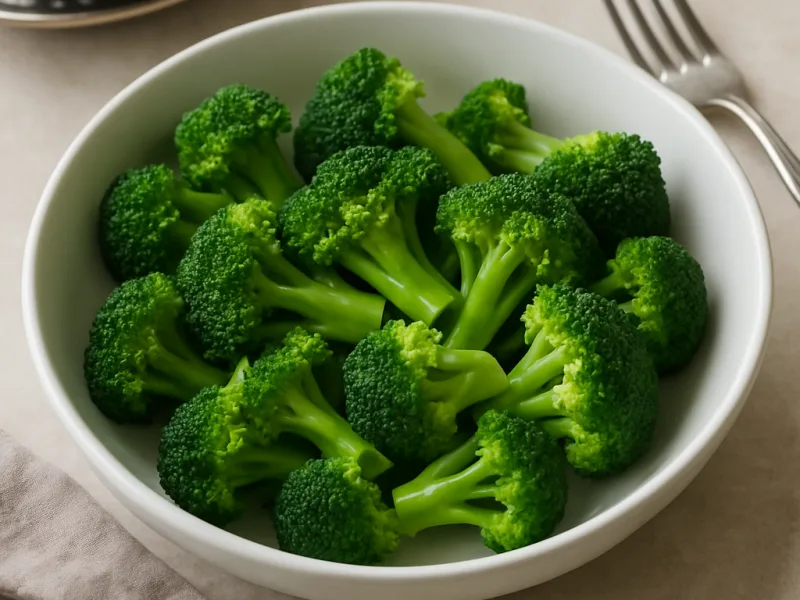
Science-backed methods that preserve vitamins, minerals, and flavor
Broccoli is widely recognized as one of the most nutrient-dense vegetables, valued for its high content of vitamin C, vitamin K, fiber, folate, and powerful antioxidants such as sulforaphane. Choosing the best way to cook broccoli to retain nutrients is not only a culinary decision but also a nutritional one. The cooking method directly affects heat-sensitive compounds, water-soluble vitamins, texture, taste, and bioavailability.
Why cooking method matters for broccoli nutrients
Broccoli contains a unique enzyme, myrosinase, which activates sulforaphane when the vegetable is chopped or lightly cooked. Excessive heat or prolonged contact with water can significantly reduce this benefit. The goal is to soften the fibers while preserving the internal structure of the florets.
Key nutrients affected by cooking:
- Vitamin C – highly sensitive to heat and water
- B vitamins – water-soluble and easily lost
- Sulforaphane – sensitive to high temperatures
- Minerals – generally stable but can leach into cooking water
Best cooking methods ranked by nutrient retention
Among all techniques, gentle and controlled heat offers the most balanced results.
- Steaming
Considered the best way to cook broccoli to retain nutrients, steaming minimizes nutrient loss while improving digestibility. Short steaming times (3–5 minutes) preserve vitamin C and keep myrosinase active.
- Stir-frying
Quick cooking over medium heat with minimal oil retains antioxidants and enhances flavor. Cutting broccoli into larger florets reduces surface nutrient loss.
- Blanching
Brief exposure to boiling water followed by rapid cooling helps preserve color and texture but should be limited to under 2 minutes.
- Roasting
Higher heat reduces vitamin C but enhances flavor through caramelization. Best combined with short cooking times and larger pieces.
- Boiling
Least effective method due to nutrient leaching. If used, the cooking water should be reused in soups or sauces.
Historical and culinary background
Broccoli originates from the Mediterranean region, particularly ancient Rome, where it was cultivated for both medicinal and culinary purposes. Traditional Italian cooking favored gentle preparation, often lightly steamed or sautéed with olive oil, garlic, and herbs. Modern cuisine has embraced broccoli in raw, fermented, and minimally cooked forms, aligning traditional wisdom with contemporary nutritional science.
Practical ideas and simple tricks
- Cut broccoli and let it rest for 30–40 minutes before cooking to activate myrosinase.
- Steam with the lid slightly open to prevent overcooking.
- Use the stalks as well – they contain valuable fiber and minerals.
- Add a small amount of healthy fat to improve absorption of fat-soluble nutrients.
Useful ingredient combinations
Certain foods naturally enhance broccoli’s nutritional impact:
- Mustard seeds or mustard powder – restore myrosinase activity
- Lemon juice – improves mineral absorption
- Garlic – complements antioxidant properties
- Extra virgin olive oil – supports vitamin absorption
Inspiration from traditional and modern cuisine
Traditional Mediterranean dishes rely on simplicity: lightly steamed broccoli dressed with olive oil and citrus. Modern plant-forward cuisine incorporates broccoli into grain bowls, warm salads, and fermented preparations, emphasizing texture and nutrient integrity. Asian-inspired quick stir-fries highlight how high heat for a short duration can preserve crunch and nutritional value.
Why gentle cooking works best
Broccoli does not need aggressive heat to be enjoyable or digestible. Gentle methods maintain cell integrity, reduce nutrient degradation, and support the natural activation of health-promoting compounds. Understanding how heat, water, and time interact with broccoli’s structure allows consistent results that balance nutrition, flavor, and texture.
By focusing on controlled cooking techniques, broccoli becomes more than a side dish—it becomes a functional, nutrient-rich ingredient suited for everyday meals and long-term wellness.