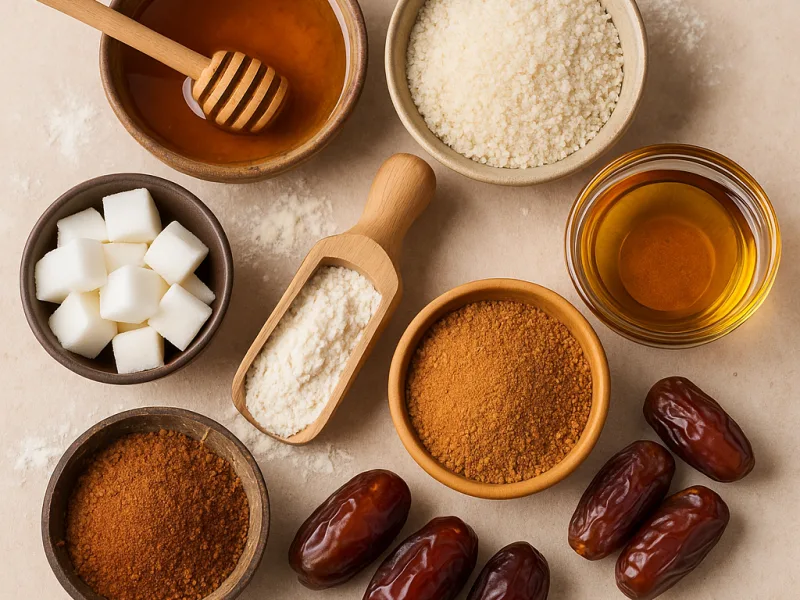
Exploring natural sugar alternatives for healthy baking recipes
When you step into the world of healthy baking, you soon discover that traditional granulated sugar, while reliable, is only one of many ways to sweeten your creations. Over the years, bakers have become increasingly curious about natural sweeteners for baking, driven by a desire to cut calories, control blood sugar levels, and experiment with more nutritious ingredients. This guide dives deep into the most effective sugar substitutes for baking, highlighting their origins, properties, and practical uses in everything from delicate pastries to hearty loaves. Whether you want to create a low-calorie dessert or simply reduce your dependence on refined sugar, understanding the nuances of these alternatives will empower you to make confident choices.
One of the first questions bakers often ask is: how do these natural sweeteners behave during mixing and baking? Unlike sugar, which caramelizes predictably and lends structure and moisture, sugar substitutes can behave differently under heat, sometimes absorbing more liquid or contributing less bulk. For this reason, learning to adapt your recipes is essential. Below, you’ll find a comprehensive look at the best options available, including their advantages, considerations, and the recipes where they shine.
What makes a good sugar substitute in baking?
Before choosing a replacement, it’s crucial to understand what you want from your sweetener. Traditional sugar does more than sweeten; it helps create golden crusts, tender crumbs, and moisture retention. A natural sugar alternative that delivers a similar experience will typically:
- Provide balanced sweetness without a harsh aftertaste
- Blend evenly into batters and doughs
- Retain moisture for softness
- Contribute to browning and caramelization
- Offer measurable health or nutritional benefits
The following sweeteners meet many of these criteria, each with unique properties.
Coconut sugar: the rich, caramel-like choice
Coconut sugar is a popular natural sweetener for baking because of its subtle caramel flavor and low glycemic index compared to regular sugar. Harvested from the sap of coconut palm blossoms, this granulated sweetener contains small amounts of minerals like potassium, iron, and zinc.
In recipes, coconut sugar behaves much like brown sugar. It blends seamlessly into muffins, cookies, and quick breads. However, because it’s less processed, it can clump if exposed to moisture, so it’s best stored in a cool, dry place.
Baking tips:
- Use a 1:1 ratio when replacing white or brown sugar
- Expect a slightly darker color in cakes and cookies
- Combine with a touch of honey or maple syrup if extra moisture is needed
Stevia: calorie-free sweetness derived from plants
Stevia is an intensely sweet plant extract that offers zero calories. While it’s up to 300 times sweeter than sugar, it doesn’t raise blood glucose levels, making it ideal for those managing diabetes or looking to create low-carb baked goods.
Because stevia lacks bulk, it often needs to be paired with another ingredient to create the right texture. Some brands offer stevia blends combined with erythritol or maltodextrin to mimic the volume of sugar more closely.
Baking tips:
- Use manufacturer guidelines for substitution ratios, as pure stevia is too concentrated to swap spoon for spoon
- Watch for a slightly bitter or licorice-like aftertaste in delicate recipes
- Works best in recipes where sugar’s structure isn’t critical, such as puddings or no-bake bars
Monk fruit sweetener: zero-calorie and heat-stable
Monk fruit extract has gained popularity among bakers seeking a natural sugar substitute that is both heat-stable and calorie-free. Derived from small green melons native to China, monk fruit extract is often blended with erythritol for better texture.
It doesn’t crystallize the way sugar does, so it’s less ideal for crunchy cookies but excellent in soft cakes, brownies, and frostings. Its clean sweetness and neutral flavor have made it a staple in many healthy baking recipes.
Baking tips:
- Use blends designed for baking to avoid measurement issues
- Expect less browning, so adjust your visual cues for doneness
- Pair with warm spices or cocoa to complement its mild profile
Erythritol: sugar alcohol with a familiar taste
Erythritol is a sugar alcohol occurring naturally in fruits like pears and melons. Unlike other sugar alcohols, it causes minimal digestive upset when used moderately. Containing about 70% of sugar’s sweetness, erythritol is ideal for low-sugar desserts and keto-friendly baked goods.
Its crystalline structure can lend a subtle crunch if not fully dissolved, which can be pleasant in shortbread or crisp cookies but less desirable in smooth cakes.
Baking tips:
- Use up to 1.3 times the amount of erythritol to match sugar’s sweetness
- Combine with moist ingredients to help it dissolve
- Be aware it may re-crystallize upon cooling, creating a slightly gritty texture
Xylitol: a sugar alcohol with moisture-retaining properties
Xylitol is another sugar alcohol prized for its clean sweetness and ability to maintain moisture in baked goods. It has a sweetness level similar to sugar and can often be swapped in equal amounts.
However, xylitol is highly toxic to dogs, so keep it safely stored away from pets.
Baking tips:
- Use a 1:1 substitution in recipes
- Expect a slightly cooling sensation in the mouth
- Suitable for muffins, quick breads, and soft cookies
Honey: nature’s liquid sweetener
Raw honey provides moisture, flavor complexity, and beneficial enzymes. Though not calorie-free, it is less processed and retains trace nutrients. It also offers antimicrobial properties and contributes to a tender crumb in cakes and breads.
Honey’s liquid nature requires adjustments to other ingredients. Generally, you’ll want to reduce the recipe’s overall liquid by about 15-20% to account for honey’s moisture content.
Baking tips:
- Use ¾ cup honey for every 1 cup of sugar
- Lower baking temperatures by about 4°C (25°F) to prevent over-browning
- Choose lighter honeys for delicate pastries and darker varieties for robust recipes
Maple syrup: earthy, rich, and naturally sweet
Pure maple syrup adds distinctive earthy undertones to baked goods and pairs beautifully with autumnal spices. It’s less refined than white sugar and offers antioxidants, minerals, and a lower glycemic impact.
Like honey, maple syrup requires liquid adjustments. It’s particularly delicious in granola, muffins, and rustic cakes.
Baking tips:
- Substitute ¾ cup maple syrup for every cup of sugar
- Reduce other liquids by about 60 ml (¼ cup)
- Consider adding a pinch more baking soda to balance acidity
Date sugar: whole-fruit sweetness
Made from finely ground dried dates, date sugar retains the fiber and nutrients of the fruit itself. It offers a mild caramel flavor and works best in recipes where slight grittiness won’t detract from the final product.
Date sugar doesn’t melt the way crystalline sugars do, so it’s less suited to recipes requiring smoothness.
Baking tips:
- Use 1 cup date sugar per cup of brown sugar
- Blend thoroughly to prevent clumps
- Excellent for oatmeal cookies, quick breads, and scones
Agave nectar: smooth liquid sweetness
Derived from the agave plant, agave nectar is about 30% sweeter than sugar and dissolves effortlessly into batters. It offers a mild flavor and is especially effective in recipes requiring smooth sweetness without the flavor of honey or maple syrup.
Baking tips:
- Use ⅔ cup agave nectar to replace 1 cup sugar
- Reduce other liquids accordingly
- Lower baking temperature slightly to avoid over-browning
Tips for successful baking with sugar substitutes
Replacing sugar is more art than science. Here are a few professional strategies for best results:
- Test in small batches before committing to large recipes
- Keep in mind that most substitutes lack sugar’s browning power, so visual doneness may differ
- When possible, combine sweeteners to balance flavor and texture
- Store finished baked goods carefully, as some sweeteners absorb moisture and soften over time
- If your recipe relies heavily on sugar for structure (such as meringue), consider using partial replacement rather than full substitution
Why choosing the right sweetener matters
Beyond calories and glycemic index, the sweetener you choose can dramatically impact taste, crumb, and moisture retention. Whether you prefer stevia for calorie-free bakes, coconut sugar for caramel richness, or maple syrup for depth, each ingredient offers unique qualities. Experimentation is part of the fun, allowing you to craft recipes that meet your dietary goals without compromising pleasure or creativity.
Chef’s tip: balancing sweetness and structure
When working with sugar substitutes in baking, remember that flavor intensity varies significantly. Taste your batter before baking if possible and adjust accordingly. If a sweetener is milder than expected, you may need to supplement with a small amount of another sweetener to achieve the perfect balance.
Common mistakes to avoid
- Using a substitute without adjusting liquid ratios
- Expecting identical browning to granulated sugar
- Overusing intensely sweet extracts like pure stevia
- Forgetting that some sugar alcohols can recrystallize after cooling
Why this approach works
Combining professional technique with a clear understanding of each sweetener’s properties helps you recreate the sweetness, structure, and golden crusts you expect from traditional recipes. When you use natural sugar alternatives, you can enjoy more nourishing treats while maintaining the familiar joy of baking.
With a thoughtful approach and a willingness to experiment, you’ll discover a world of possibilities that elevate both flavor and healthfulness in your kitchen.