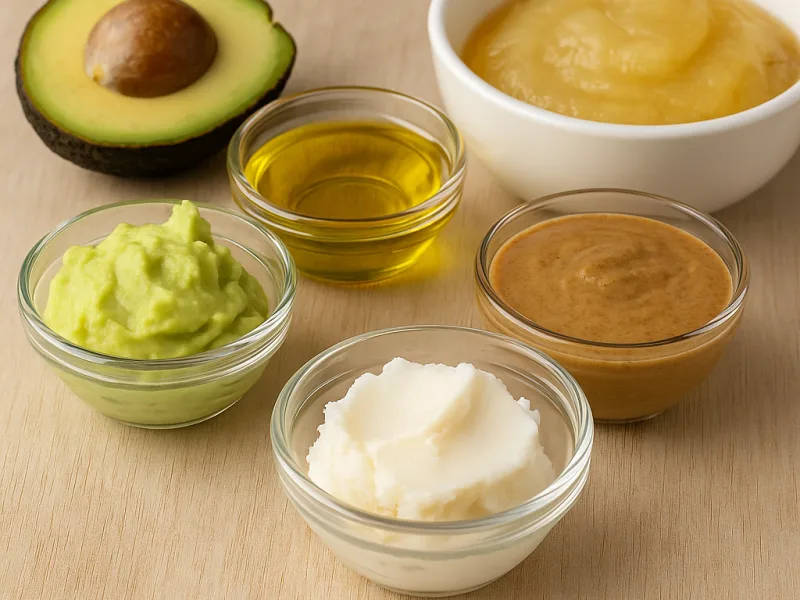
Understanding Why You Might Need to Replace Butter in Baking
For many passionate bakers, butter has long been considered essential, delivering rich flavor, tender crumb, and golden crust. Yet, whether you are managing a lactose intolerance, reducing saturated fats, following a vegan lifestyle, or simply exploring healthier options, there are compelling reasons to look for butter substitutes for baking. By understanding how butter functions—adding moisture, acting as a binder, enhancing taste—you can select the best alternatives that maintain or even improve your favorite recipes.
Professional bakers often emphasize that no single swap performs exactly the same in all recipes. Some alternatives excel in moist cakes, others are ideal for crispy cookies, and a few shine in flaky pastries. This comprehensive guide will walk you through the most effective replacements, their benefits, limitations, and expert tips to ensure your baked creations remain just as satisfying.
The Role of Fats in Baked Goods
Butter is prized not just for its flavor but for how it transforms the structure of baked goods. It helps trap air during creaming, which leavens cakes and muffins. It creates steam in the oven, adding lift to pastries. It coats flour particles, shortening gluten strands for tender textures. Therefore, when choosing a substitute, it’s crucial to consider fat content, water content, and whether your recipe relies on solid or liquid fats.
Understanding the technical aspects of baking empowers you to make smart choices. For example, oil-based substitutions often produce moister crumbs but less aeration. On the other hand, solid plant-based shortenings mimic butter’s texture, perfect for flaky pie crusts.
Popular Plant-Based Oils as Butter Substitutes
One of the most accessible replacements is vegetable oil. Neutral-tasting oils such as canola oil, sunflower oil, and grapeseed oil work seamlessly in cakes, muffins, and quick breads. They contribute moisture and softness but lack the aeration capacity of butter.
Olive oil deserves special mention for its nuanced, fruity aroma. Extra-virgin varieties enrich the flavor of citrus cakes, rustic breads, and biscotti. However, be mindful of its pronounced taste—it pairs best with recipes where savory notes are welcome.
Coconut oil is another favored choice among professional bakers. When solid, it behaves much like butter, creating tenderness in pie crusts and cookies. Its subtle sweetness complements tropical and chocolate desserts. If you prefer a neutral taste, refined coconut oil is ideal, as it has been processed to remove most coconut aroma.
When substituting oils for butter, the general conversion is to use about 80% of the butter quantity, as oils are 100% fat, while butter contains roughly 15–20% water.
Nut and Seed Butters for Richness and Depth
For recipes where you crave a wholesome flavor profile, nut butters like almond, cashew, and peanut butter can step in. They contribute richness, protein, and healthy fats. Nut butters are particularly well-suited for dense bakes—think brownies, blondies, and bar cookies.
Sunflower seed butter offers an allergy-friendly alternative to tree nuts and blends well in muffins and energy bites. Keep in mind that nut butters add density and a distinct flavor, so they are best used in recipes where those qualities are desired.
To replace butter with nut butter, use an equal measure by weight. If the mixture seems too stiff, a splash of plant milk can help restore the desired consistency.
Avocado and Fruit Purees for Moisture and Nutrition
Mashed avocado is a stellar butter substitute that adds creaminess and heart-healthy monounsaturated fats. It performs exceptionally in chocolate cakes, brownies, and quick breads. While it introduces a subtle green tint, the flavor is mild when balanced with cocoa or spices.
Applesauce, banana puree, and pumpkin puree offer lower-fat solutions that deliver moistness and natural sweetness. They are excellent in muffins, snack cakes, and breakfast breads. However, because they have high water content, you may need to slightly reduce other liquids in your recipe.
These purees can replace butter in a 1:1 ratio by volume, but be prepared for a denser texture. For the best results, combine them with a bit of oil to retain softness and structure.
Commercial Plant-Based Butters and Margarines
The market has evolved to offer high-quality vegan butter alternatives that closely emulate the taste and performance of dairy butter. Brands crafted from blends of coconut oil, palm oil, and canola oil can be used cup-for-cup in almost any baking recipe.
Look for products labeled as suitable for baking; some spreads are formulated for table use only and may contain too much water. High-fat, baking-specific vegan butters excel in laminated doughs, puff pastry, and classic cookies.
Be sure to check labels to ensure your chosen product is dairy-free and non-hydrogenated.
Yogurt and Buttermilk Replacements in Baking
For recipes calling for creamed butter and sugar, dairy-free yogurt or plant-based buttermilk can create moist, tender crumbs. While they don’t provide the same aeration, they contribute acidity and richness.
Soy and almond-based yogurts are especially useful in muffins and loaf cakes. For each cup of butter, you can use ¾ cup of non-dairy yogurt. If your batter appears too thick, a small amount of extra plant milk can balance it.
When to Use Solid Fats Versus Liquid Oils
Not all recipes tolerate a simple swap between solid and liquid fats. For example, in shortbread cookies, butter’s solid state is critical to the dough’s structure and crumbly texture. Here, a solid fat like refined coconut oil or vegan margarine is a better choice.
Conversely, in muffins and snack cakes, liquid oils excel, creating moist interiors without overdeveloping gluten. Understanding this distinction helps you choose confidently.
Professional Tips for Success with Butter Substitutes
- Always bring your butter alternative to the proper temperature: solid fats should be room temperature for creaming, while liquids can be used as specified.
- If you’re replacing butter with oil, reduce other liquids slightly to prevent soggy results.
- Consider flavor: oils like olive or coconut contribute more pronounced taste than neutral oils.
- When using fruit purees, combine with oil for a more tender texture.
- Test recipes before serving to guests or clients—some substitutions require minor adjustments to achieve perfect results.
Common Mistakes to Avoid
Even experienced bakers encounter issues when experimenting with healthy butter alternatives. These are the most frequent pitfalls:
- Assuming all fats perform identically: solid versus liquid consistency is critical.
- Overusing fruit purees, which can make baked goods rubbery.
- Forgetting to reduce liquids when using purees or yogurt.
- Expecting identical browning: dairy butter naturally browns and caramelizes; alternatives may result in paler bakes.
- Neglecting the impact on flavor: always taste and adjust seasoning if needed.
Why These Methods Work
Each substitution has been tested and refined by culinary professionals:
- Plant-based oils maintain moisture and tenderness.
- Solid fats like coconut oil recreate the structural benefits of butter.
- Nut butters enhance richness and nutrient content.
- Fruit purees deliver natural sweetness and moisture without saturated fat.
When used thoughtfully, these ingredients can produce baked goods every bit as delicious as their traditional counterparts.
Frequently Asked Questions About Baking Without Butter
Does replacing butter affect the baking time? Yes. Because alternatives may have higher or lower water content, you may need to adjust baking times slightly. Monitor for doneness using visual cues and a toothpick test.
Can I substitute butter with oil in cookies? You can, but the texture will be softer and less crisp. For classic crunch, opt for solid fats like coconut oil.
Is vegan butter healthier than regular butter? Many plant-based butters contain less saturated fat, but always review labels—some brands use palm oil, which can be high in saturated fats.
What’s the best butter substitute for pie crust? Refined coconut oil or high-fat vegan margarine performs best, keeping the crust flaky.
Chef’s Tip
When baking for professional clients or special occasions, conduct small-batch tests first. This allows you to fine-tune moisture, flavor, and texture, ensuring the final result exceeds expectations.
Nutritional Advantages of Butter Substitutes
Swapping butter for plant-based fats can enhance the nutritional profile of your baked goods. For example:
- Coconut oil provides medium-chain triglycerides, a form of fat metabolized more rapidly for energy.
- Olive oil is rich in antioxidants and monounsaturated fats that support heart health.
- Nut butters deliver protein, fiber, and essential minerals.
- Avocado contributes potassium and folate.
These benefits make butter alternatives appealing to health-conscious bakers.
Bringing It All Together
Embracing butter substitutes opens new dimensions of flavor, texture, and nutrition. Whether you’re creating tender vegan cookies, airy dairy-free cakes, or savory pastries, there’s a suitable option for every recipe. With a deeper understanding of how fats function and the unique characteristics of each replacement, you can bake confidently, delivering professional-quality results that satisfy diverse dietary needs.
Remember: the key to success is experimentation, observation, and adaptation. Every recipe tells its own story—and your choice of butter substitute can help write a healthier, more inclusive chapter in your baking journey.