Transform your everyday meals with expert-backed culinary strategies
Cooking at home is more than just following a recipe—it's about building skills, mastering techniques, and understanding ingredients. Whether you're just getting started or looking to refine your approach, the right knowledge can elevate your meals from basic to extraordinary. Below are 50 essential cooking tips trusted by professional chefs that every home cook should know. These are practical, actionable, and perfect for use in everyday kitchens.
How to cook like a professional chef at home
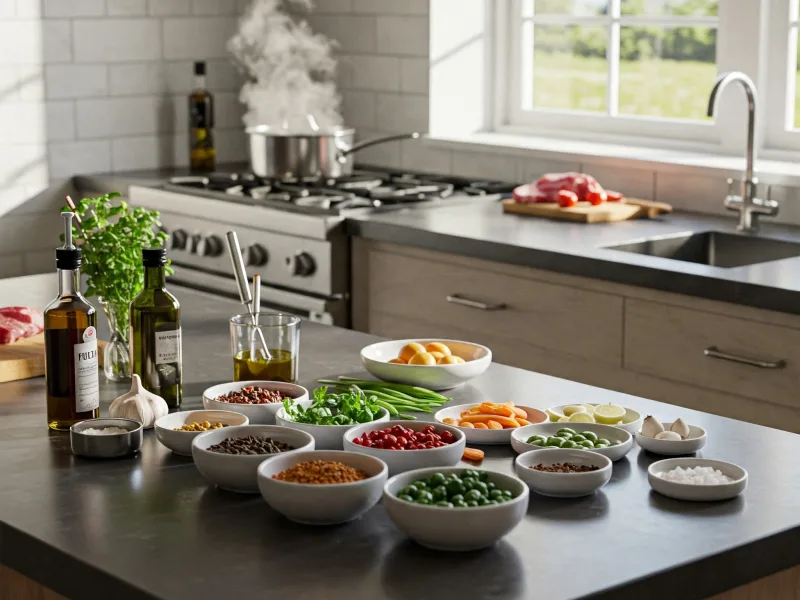
To cook like a pro, start by prioritizing preparation. Use the “mise en place” method: measure and prep ingredients before starting. Invest in quality tools like a sharp chef’s knife and heavy-bottomed pans. Learn basic techniques (sautéing, roasting, braising) and taste as you go to understand how ingredients evolve during cooking.
What are the most important kitchen tips for beginners?
Beginner cooks should focus on consistency and safety. Always read the full recipe first, clean as you go, and keep a clean cutting board for raw meats to avoid contamination. Start with simple meals, then gradually explore new cuisines and methods as confidence grows.
Essential cooking techniques every home cook should learn
Every home chef should know how to boil, steam, roast, grill, sauté, and braise. These fundamental techniques offer a variety of textures and flavors. Mastering them opens the door to countless dishes and encourages creative improvisation.
How to properly season food like a chef
Great seasoning is the heart of flavor. Use kosher salt or sea salt instead of table salt for better control. Season throughout the cooking process—at the start, during, and just before serving. Consider acidity, herbs, spices, and even umami boosters like soy sauce or anchovy paste.
Best time-saving cooking hacks for busy people
Use pre-chopped frozen vegetables, multi-purpose tools like a food processor, and one-pot recipes. Cook in batches and store portions in the freezer. Prepping ingredients for the week ahead can drastically reduce daily cooking time.
What knife skills do chefs recommend mastering first?
Learn how to chop, dice, julienne, and mince efficiently. A sharp knife and proper grip are crucial—use a pinch grip on the blade and let the knife do the work. Consistent cuts ensure even cooking and professional-looking results.
How to make your meals more flavorful without extra salt
Add layers of flavor with herbs, spices, citrus juices, and aromatics like garlic or onions. Toast spices before using to release their essential oils. Acidity, such as lemon juice or vinegar, can brighten flavors without relying on salt.
Which cooking mistakes should beginners avoid?
Avoid overcrowding pans, which leads to steaming instead of searing. Don’t skip resting time for meats, and never rely solely on color—use a thermometer. Taste frequently, and don’t be afraid to make adjustments mid-cook.
How to store fresh herbs to keep them longer
Wrap herbs like parsley or cilantro in damp paper towels and store in a resealable bag in the fridge. For basil, keep stems in a glass of water at room temperature. Alternatively, chop and freeze in olive oil using an ice cube tray.
What are the top food safety tips in the kitchen?
Always wash your hands, sanitize cutting boards, and separate raw meat from other ingredients. Use a thermometer to check internal cooking temperatures: chicken (75°C / 165°F), beef (63°C / 145°F for medium-rare), and fish (63°C / 145°F).
How to use a meat thermometer correctly
Insert the thermometer into the thickest part of the meat, avoiding bones. Wait until the temperature stabilizes. Clean the thermometer after each use to prevent cross-contamination.
Best way to organize your kitchen like a chef
Store frequently used items within reach. Group tools by function—cutting tools, measuring equipment, and mixing bowls. Use clear containers for pantry staples and label everything. A clutter-free prep area is key.
How to cook meat to the perfect doneness
Different meats have different ideal temperatures. Use visual cues like juice color and texture, but rely on a thermometer for accuracy. Let meat rest after cooking to allow juices to redistribute.
What is mise en place and why do chefs swear by it?
“Mise en place” means “everything in its place.” Chefs prepare and arrange all ingredients before cooking begins. This approach saves time, reduces mistakes, and creates a more enjoyable cooking process.
How to make vegetables taste amazing every time
Roast at high heat for caramelized edges, or sauté with garlic and butter for depth. Use fresh herbs, a squeeze of lemon, or parmesan cheese to add interest. Salt properly and don’t overcook—keep some bite and color.
What pantry staples should every cook have?
Stock your pantry with rice, pasta, canned tomatoes, beans, olive oil, vinegar, salt, pepper, dried herbs, and onions and garlic. These versatile items create a solid base for countless dishes.
How to read and follow a recipe properly
Read the recipe from start to finish before beginning. Check you have all ingredients and tools. Follow steps in order, and use your senses—smell, sight, taste—to guide you.
What’s the difference between sautéing and frying?
Sautéing uses less oil and high heat to cook food quickly while stirring often. Frying typically involves more oil and can be shallow or deep, often resulting in a crisp exterior.
How to balance flavors: sweet, salty, sour, and bitter
Great dishes include a balance of flavors. If a dish is too bitter, add sweetness. Too bland? Add salt or acidity. Taste often and adjust—this is where cooking becomes intuitive.
What are the top 5 cooking oils and how to use them?
- Olive oil – best for low to medium heat or finishing dishes.
- Canola oil – neutral and great for frying.
- Avocado oil – high smoke point, good for searing.
- Coconut oil – adds a distinct flavor, solid at room temp.
- Sesame oil – strong flavor, ideal for Asian dishes.
How to keep food warm without overcooking
Use a low oven (90°C / 200°F) or a warming drawer. Cover loosely with foil to retain moisture. For sauces or soups, a double boiler can help maintain gentle heat.
Best methods for cooking pasta like Italians do
Use plenty of salted water and stir often. Cook until “al dente” and reserve some pasta water to finish sauces. Never rinse pasta after draining—it removes flavor and starch.
How to prevent overcooking your eggs
Use low heat and remove eggs from the pan just before they’re done—they continue cooking off heat. For boiled eggs, transfer immediately to ice water to stop cooking and ease peeling.
What’s the right way to cook rice without sticking?
Rinse rice thoroughly to remove excess starch. Use the right ratio of water to rice, simmer gently, and let it rest covered off heat for 5–10 minutes after cooking.
How to make sauces from scratch (without a recipe)
Start with a base fat (butter or oil), add aromatics (onions, garlic), then liquid (stock, cream, wine). Finish with seasoning, fresh herbs, or cheese. Taste and adjust as needed.
How to sharpen your kitchen knives at home
Use a whetstone, honing steel, or a pull-through sharpener. Maintain your blade by honing it before each use and sharpening it monthly, depending on usage.
What does “deglazing” mean in cooking?
Deglazing involves adding liquid (wine, broth, vinegar) to a hot pan to lift the caramelized bits left after searing. This creates flavorful sauces and gravies.
How to rescue a dish that’s too salty
Add acid (lemon juice or vinegar), sweeteners (honey or sugar), or bulk (more vegetables, potatoes, or rice). A splash of cream can also help dilute excessive saltiness.
Best way to cook with wine and alcohol in recipes
Use only wines you’d drink. Add early for flavor integration, or near the end for aromatic impact. Allow time for alcohol to cook off unless it’s intended for flavor complexity.
What are the top healthy cooking swaps chefs use?
Use Greek yogurt instead of sour cream, mashed avocado instead of mayo, or cauliflower instead of rice or mashed potatoes. Choose baking, grilling, or steaming over frying.
How to use acid (like lemon juice or vinegar) to enhance flavor
Acid brightens dishes, balances richness, and can replace salt. Add lemon juice to seafood, vinegar to stews, or a splash of lime in spicy dishes to elevate flavor.
What’s the secret to juicy roasted chicken?
Brine the bird in saltwater, roast at high heat for crispy skin, and let it rest before carving. Use a thermometer to ensure it’s cooked through but not dry.
How to make crispy skin on fish or chicken
Pat skin dry, season well, and cook in a hot, oiled pan without moving it until crisp. Finish in the oven if needed, and serve skin-side up to retain crunch.
How to avoid soggy vegetables when roasting
Use high heat (220°C / 425°F), spread vegetables in a single layer, and don’t overcrowd the pan. Toss with oil and roast until edges are browned for the best texture.
What is the best way to meal prep for the week?
Plan your menu, cook in large batches, and portion meals into containers. Focus on versatile staples like roasted vegetables, grains, proteins, and sauces that mix and match easily.
How to use leftovers creatively like a chef
Turn roast chicken into tacos, soup, or salad. Use vegetable scraps in stock. Reinvent cooked pasta as a frittata. Think in flavor profiles and repurpose ingredients with intent.
What’s the best cookware material for home cooking?
Stainless steel offers durability and even heating. Cast iron retains heat and adds flavor. Non-stick pans are best for eggs and pancakes. Copper is ideal for precise control.
How to control cooking temperature on the stove
Know your stove’s heat output. Use medium-high for searing, low for simmering, and medium for sautéing. Adjust frequently—cooking is dynamic, not static.
Should you preheat your pan before cooking?
Yes—preheating ensures even cooking and prevents food from sticking. Add oil once the pan is hot, then the ingredients. It’s especially critical for searing proteins.
What are the signs of a well-cooked steak?
Look for a seared crust, pink interior (for medium-rare), and clear juices. Use the finger test or a thermometer: 57°C (135°F) for medium-rare, 63°C (145°F) for medium.
How to keep your cutting board from sliding
Place a damp paper towel or silicone mat under the board. This stabilizes the surface, making prep work safer and more efficient.
How to use umami ingredients to boost flavor
Umami-rich items include mushrooms, tomatoes, soy sauce, miso, parmesan, and anchovies. Use them to add depth, especially in vegetarian dishes or light broths.
What are the best herbs and spices for beginners?
Start with basil, thyme, rosemary, oregano, parsley, cumin, paprika, cinnamon, and chili powder. Learn their flavor profiles and pair them with appropriate proteins or vegetables.
How to blanch vegetables and why it's useful
Blanching means boiling vegetables briefly then shocking in ice water. It sets color, softens texture, and makes peeling easier (e.g., tomatoes, peaches).
What’s the proper way to taste-test food while cooking?
Use a clean spoon each time to prevent contamination. Taste early and often, especially before final seasoning. Check for balance and texture at each stage.
How to clean cast iron without damaging it
Avoid soap. Use hot water and a stiff brush, or salt for stuck bits. Dry thoroughly and re-season with oil after each use to maintain the non-stick surface.
Why resting meat is crucial after cooking
Resting allows juices to redistribute, making the meat more moist and flavorful. Cover loosely with foil and wait 5–10 minutes before slicing.
How to avoid cross-contamination in the kitchen
Use separate cutting boards for raw meat and vegetables. Wash knives and surfaces immediately. Sanitize countertops regularly and store raw meat on the bottom fridge shelf.
What’s the best way to cook for large groups?
Plan dishes that scale easily: stews, casseroles, sheet pan meals. Prep as much as possible ahead of time, and enlist help for serving and cleanup.
How to make any dish look restaurant-quality at home
Use white plates, wipe the rim clean, and add color contrast (herbs, sauces). Stack or layer elements with intention and garnish thoughtfully. Presentation enhances perceived flavor.