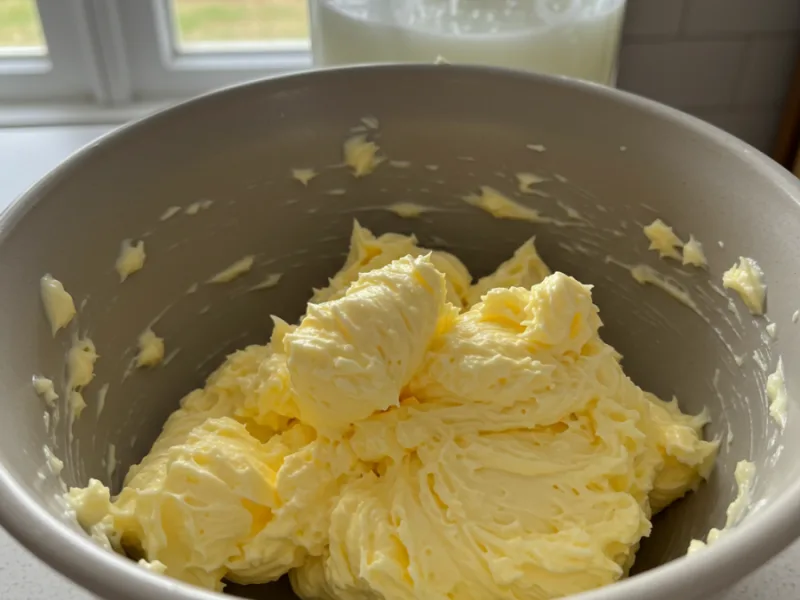
Base recipe: Makes approximately 250 g (8.8 oz) of butter, serving 8-10 people
Your kitchen companion
Ingredients
Check off ingredients as you prepare them.
Follow the steps at your own pace.
Method
Prepare the Cream Pour 500 ml of heavy cream into a large mixing bowl, stand mixer, or food processor. If using a jar, ensure it has a tight-fitting lid. The cream should be at room temperature for faster churning.
Start Churning If using a stand mixer or hand mixer, beat the cream on medium-high speed. First, it will turn into whipped cream. Continue mixing until the fat separates from the liquid (buttermilk). This usually takes 7-10 minutes.
Separate the Butter and Buttermilk Once the butterfat clumps together and separates from the buttermilk, turn off the mixer. Strain the butter through a fine-mesh sieve or cheesecloth into a bowl. Save the buttermilk for baking or cooking.
Rinse the Butter To remove excess buttermilk (which can cause spoilage), rinse the butter under ice-cold water while kneading it with a spoon or spatula. Continue rinsing until the water runs clear.
Season the Butter (Optional) If making salted butter, mix in 2 g (½ tsp) salt and knead until evenly distributed. For flavored butter, add herbs, garlic, or honey at this stage.
Store the Butter Shape the butter into a ball or block and wrap it in parchment paper or store in an airtight container. Keep in the refrigerator for up to 2 weeks or freeze for longer storage.
Extra technique, safety notes and details when you want to go deeper.
More tips & details
The Ultimate Guide to Making Homemade Butter From Cream
There's something truly magical about transforming fresh cream into rich, creamy homemade butter. With just one ingredient and a few simple steps, you can create butter that’s fresher, tastier, and more natural than anything store-bought. Whether you’re a passionate home cook, a baking enthusiast, or simply love the idea of making things from scratch, this method will change the way you think about butter.
Once you try homemade butter, you’ll immediately notice the difference. It’s creamier, richer, and has an unmistakable depth of flavor that enhances everything from freshly baked bread to delicate pastries and gourmet dishes. Plus, when you make your own butter, you control the ingredients—no additives, preservatives, or artificial flavors. Just pure, wholesome goodness.
Why You’ll Love This Recipe
Fresh, Natural, and Pure
Store-bought butter often contains stabilizers and artificial ingredients. But when you make butter from cream, you know exactly what’s in it—just pure dairy goodness. This is especially important for those who prefer organic, additive-free food or follow a clean eating lifestyle.
Incredibly Easy to Make
Many people assume making butter is complicated, but it’s actually one of the simplest kitchen techniques. You don’t need any fancy equipment—just a hand mixer, stand mixer, or even a simple jar if you want to shake it by hand. With minimal effort, you’ll have freshly churned butter in minutes.
Customizable Flavors
One of the biggest advantages of making butter at home is the ability to customize the taste. Want a hint of sea salt? A touch of garlic, herbs, or honey? You can easily create flavored butter to match your favorite recipes. Imagine spreading homemade garlic butter on a warm baguette or adding a dollop of honey butter to fluffy pancakes.
Buttermilk Bonus
The process of making butter also gives you fresh buttermilk, which is perfect for baking fluffy pancakes, biscuits, and tender cakes. It’s a fantastic way to get two homemade products from one simple process.
The Science Behind Butter-Making
Butter is created by churning cream, which separates the butterfat from the buttermilk. This happens when the fat molecules in the cream break down and reassemble, forming solid butter while releasing the liquid. The process mimics traditional butter churning but is much quicker with modern kitchen tools.
Using heavy cream with a higher fat content (at least 35%) ensures a smooth and creamy butter. The higher the fat content, the better the texture. Some people even use raw cream for an ultra-fresh taste, while others prefer cultured cream for a slightly tangy, European-style butter.
How to Use Your Homemade Butter
Once you’ve made fresh butter, the possibilities are endless:
- Spread it on warm toast, biscuits, or croissants
- Use it in baking cakes, cookies, and pie crusts
- Melt it over steamed vegetables, grilled meats, or seafood
- Make compound butters by mixing in fresh herbs, honey, or citrus zest
- Enjoy it with a drizzle of honey or jam on warm scones
And let’s not forget homemade buttermilk—perfect for making tender pancakes, fluffy muffins, and creamy dressings.
Try It Today and Taste the Difference
If you've never made butter from cream, now is the perfect time to start. The process is quick, rewarding, and incredibly delicious. Once you taste homemade butter, you may never go back to store-bought again.
So grab some fresh cream and give it a try. Your kitchen will be filled with the irresistible aroma of freshly churned butter, and your meals will never be the same again.
How to Customize and Enhance Homemade Butter From Cream
Making homemade butter is a rewarding process, but there are many ways to enhance and personalize it to suit different tastes, dietary needs, and cooking applications. Whether you want to adjust the texture, flavor, fat content, or nutritional value, small modifications can make a big difference.
Choosing the Right Cream for the Best Butter
The type of cream you use significantly affects the texture, flavor, and richness of your butter.
Heavy Cream vs. Light Cream
- Heavy cream (35-40% fat) produces richer, creamier butter with a high yield.
- Light cream (20-30% fat) results in softer butter with a lighter mouthfeel but a lower yield.
Raw Cream vs. Pasteurized Cream
- Raw cream retains natural enzymes, offering a richer flavor and a more natural taste. However, it has a shorter shelf life.
- Pasteurized cream is more common and safer to use, but some claim it has a slightly milder flavor.
Cultured Cream for European-Style Butter
If you prefer slightly tangy butter with a deeper flavor, let the cream sit with 1 tbsp of yogurt or buttermilk at room temperature for 12-24 hours before churning. This process creates cultured butter, commonly used in French and European cuisine.
Adjusting the Texture and Consistency
Butter consistency can vary depending on how much buttermilk is removed, the type of cream used, and storage conditions.
Making Firmer Butter
- Use higher fat cream (closer to 40%) for a firmer, denser texture.
- Knead the butter thoroughly under ice-cold water to remove all excess buttermilk, preventing spoilage and keeping the butter firm.
Making Softer Butter
- Incorporate a small amount of olive oil or coconut oil while kneading for a spreadable texture, even when refrigerated.
- Blend in whipped cream at the end for an airy, lighter butter.
Enhancing Flavor with Additions
Homemade butter provides a blank canvas for creative flavors. Whether you prefer savory, sweet, or aromatic infusions, here are some great ways to enhance the taste.
Making Salted Butter
Adding salt not only enhances flavor but also extends shelf life.
- Use fine sea salt for even distribution.
- Start with 2 g (½ tsp) salt per 250 g (8.8 oz) of butter and adjust to taste.
- For a gourmet touch, try smoked salt, Himalayan salt, or flaky sea salt.
Creating Herb-Infused Butter
Infused butter pairs perfectly with steaks, grilled vegetables, and pasta dishes.
- Mix in chopped fresh herbs like thyme, rosemary, basil, or chives.
- For an Italian-inspired flavor, add garlic, parmesan, and sun-dried tomatoes.
- If making butter for seafood, try blending in lemon zest, dill, and a touch of cayenne pepper.
Making Sweet Butter
Sweet butter works wonderfully for pancakes, pastries, and toast.
- Mix in honey or maple syrup for a natural sweetness.
- Add cinnamon, nutmeg, or vanilla for extra warmth.
- Blend in crushed berries or citrus zest for a fruity touch.
Substituting Ingredients for Dietary Needs
Homemade butter can be adapted for those with dietary restrictions or preferences.
Dairy-Free Alternatives
If you can’t consume dairy but want a buttery spread, try these options:
- Coconut butter – Offers a naturally sweet, rich texture with a hint of coconut flavor.
- Nut-based butters – Made from almonds, cashews, or macadamia nuts, these provide a smooth, creamy consistency.
- Ghee (clarified butter) – Removes milk solids and lactose, making it a good option for lactose-intolerant individuals.
Lowering Fat Content
For a lighter version of butter, try:
- Blending half butter with Greek yogurt for a creamy yet lower-fat spread.
- Mixing butter with avocado puree, which retains creaminess but adds beneficial monounsaturated fats.
Storage and Preservation Tips
To maintain freshness and quality, proper storage is key.
Refrigeration vs. Freezing
- Refrigerated butter lasts 2-3 weeks when stored in an airtight container.
- Frozen butter keeps for up to 6 months—wrap it in parchment paper and store in an airtight bag to prevent freezer burn.
Preventing Rancidity
- Keep butter away from strong-smelling foods in the fridge, as it absorbs odors easily.
- Rinse butter thoroughly during preparation to remove buttermilk, as residual buttermilk can cause faster spoilage.
How Different Butter Types Affect Cooking
Homemade butter can be used in various cooking applications, but minor differences in texture and composition affect the results.
Baking with Homemade Butter
- Higher fat content in homemade butter makes pastries flakier and richer.
- If using cultured butter, expect a slightly tangy taste, ideal for croissants, biscuits, and pie crusts.
- Unsalted butter allows better control over the salt content in baking recipes.
Cooking and Sautéing
- Clarified butter (ghee) has a higher smoke point (250°C / 482°F), making it better for high-heat cooking.
- Homemade butter browns faster due to its natural milk solids, so reduce heat slightly when sautéing.
Customizing Homemade Butter
Making butter from cream is incredibly rewarding, but small adjustments can enhance flavor, texture, and usability. Whether you choose to infuse herbs, sweeten it with honey, or create a spreadable texture, each change adds a unique twist. Experiment with different creams, mix-ins, and techniques to find your perfect version of homemade butter.
Recivelle · /recipe/how-make-butter-cream