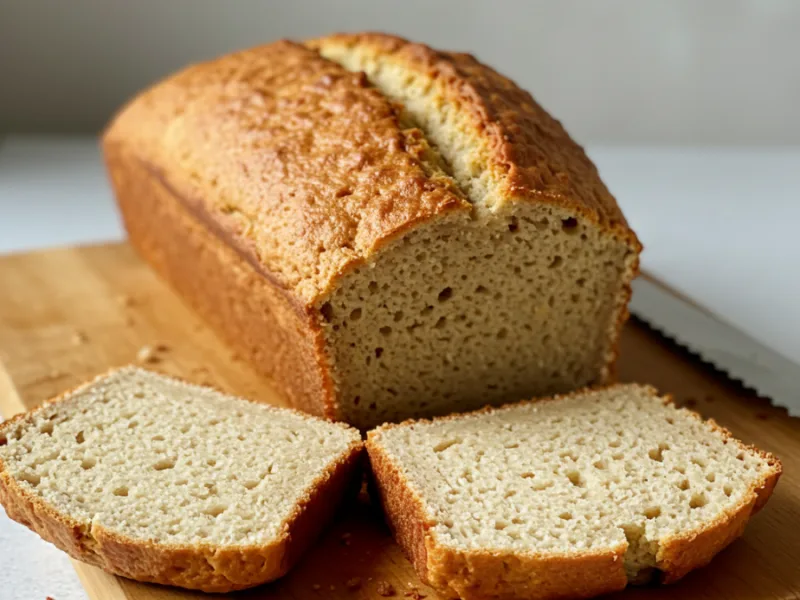
Base recipe: Makes 1 loaf (approximately 10 slices)
Your kitchen companion
Ingredients
Check off ingredients as you prepare them.
Follow the steps at your own pace.
Method
Preheat the oven to 175°C (350°F). Grease a 20 cm x 10 cm (8x4-inch) loaf pan and line it with parchment paper for easy removal.
Whisk the eggs in a large mixing bowl until they are well combined and slightly frothy. This helps to create a light texture in the bread.
Add the wet ingredients—melted coconut oil, almond milk, and apple cider vinegar—into the eggs and mix well.
Sift the dry ingredients—coconut flour, baking powder, baking soda, and salt—into a separate bowl to remove any lumps. Coconut flour absorbs a lot of liquid, so it’s important to ensure an even texture.
Combine wet and dry ingredients by gradually adding the dry mixture into the wet mixture while stirring continuously. Let the batter sit for 2-3 minutes to allow the coconut flour to absorb the liquid. The batter will be thicker than traditional bread batter.
Pour the batter into the prepared loaf pan, smoothing out the top with a spatula.
Bake for 40 minutes, or until the top is golden brown and a toothpick inserted into the center comes out clean.
Cool the bread in the pan for about 10 minutes, then transfer it to a wire rack to cool completely before slicing.
Extra technique, safety notes and details when you want to go deeper.
More tips & details
A Deliciously Soft and Nutritious Homemade Coconut Flour Bread
If you’re looking for a gluten-free, grain-free, and low-carb bread that is not only delicious but also packed with nutrients, this homemade coconut flour bread is a perfect choice. With its light texture, slightly sweet and nutty flavor, and moist crumb, this bread is ideal for anyone following a healthy lifestyle. Whether you're on a ketogenic diet, need a low-carb alternative, or simply want to explore the versatility of coconut flour, this recipe is sure to impress.
Unlike traditional wheat-based breads, this coconut flour bread is naturally high in fiber, making it more filling and satisfying. It’s also an excellent source of healthy fats and essential nutrients. Plus, it requires just a few simple ingredients and is incredibly easy to make, making it a great choice for home bakers of all skill levels.
What Makes This Coconut Flour Bread Special?
This recipe is designed to provide the perfect balance of softness and structure, ensuring that every bite is light yet sturdy enough to hold spreads, toppings, or sandwich fillings. Many gluten-free breads tend to be dense or crumbly, but the combination of eggs and coconut flour in this recipe creates a beautifully soft loaf that holds together well.
Another highlight of this bread is its versatile flavor. The natural sweetness of coconut flour pairs wonderfully with both sweet and savory toppings, making it a great option for breakfast, lunch, or even a healthy snack. Toast it and spread it with butter or almond butter, use it as a base for avocado toast, or enjoy it as a side with soups and salads.
Why You’ll Love This Recipe
A Perfect Low-Carb Bread Alternative
For those who follow a low-carb or keto diet, finding a bread that satisfies cravings without adding too many carbs can be a challenge. This coconut flour bread contains far fewer carbohydrates than traditional wheat bread, making it a great choice for anyone looking to reduce their carb intake.
Gluten-Free and Gut-Friendly
This bread is completely gluten-free, making it ideal for individuals with gluten intolerance or celiac disease. Additionally, coconut flour is known for its digestive benefits, as it is high in fiber, which supports a healthy gut and stable blood sugar levels.
Rich in Healthy Fats and Protein
Eggs are an essential part of this recipe, contributing high-quality protein and essential fats that help keep you full and energized. The healthy fats in coconut flour also support brain function, hormone balance, and overall well-being.
Quick and Easy to Prepare
With just a handful of ingredients and minimal preparation time, this bread is one of the easiest gluten-free loaves you can make at home. Unlike yeast-based breads, which require long resting and rising times, this bread comes together quickly and bakes in under an hour.
How to Enjoy This Coconut Flour Bread
There are so many delicious ways to enjoy this bread:
- Breakfast Toast: Top with butter, jam, or a drizzle of honey for a satisfying morning treat.
- Savory Pairings: Serve alongside soups, salads, or spread with hummus or guacamole.
- Sandwiches: Use it as a base for your favorite sandwich fillings, such as turkey, cheese, or smoked salmon.
- French Toast: Slice and dip in a mixture of eggs and milk for a delicious gluten-free French toast.
Ready to Bake the Best Coconut Flour Bread?
This homemade coconut flour bread is the perfect way to enjoy a healthy, grain-free alternative that doesn’t sacrifice taste or texture. With its soft interior, slightly nutty flavor, and endless versatility, this loaf is sure to become a staple in your kitchen.
Now is the perfect time to try this delicious, homemade recipe. Gather your ingredients, preheat your oven, and get ready to enjoy a slice of warm, freshly baked coconut flour bread. Once you try it, you’ll wonder why you didn’t make it sooner!
How to Customize Your Homemade Coconut Flour Bread
Homemade coconut flour bread is not only a fantastic gluten-free, grain-free, and low-carb alternative to traditional bread, but it is also highly versatile. By making a few adjustments, you can tailor the texture, flavor, and nutritional profile to better suit your preferences. Below, you'll find detailed tips on how different ingredient substitutions affect the outcome, allowing you to create a loaf that is perfectly suited to your dietary needs and taste preferences.
Adjusting the Texture of Coconut Flour Bread
Coconut flour is unique in its ability to absorb moisture, which means it behaves differently from wheat flour or other gluten-free flours. If you find that your bread is too dense, dry, or crumbly, there are several ways to modify the recipe for a more balanced texture.
Increasing Moisture and Softness
- Add an extra egg: Since coconut flour absorbs a significant amount of liquid, eggs are essential for binding and creating a soft, fluffy texture. Adding one extra egg will increase the moisture and make the bread slightly softer.
- Use an additional tablespoon of oil or butter: This enhances the tenderness and prevents dryness. Coconut oil adds a subtle sweetness, while butter provides a richer, more savory flavor.
- Increase the almond milk or replace it with full-fat coconut milk: A higher fat content will make the bread moister and slightly denser, which is perfect if you prefer a softer loaf.
Making a Lighter and Fluffier Bread
- Separate the egg whites and beat them until stiff peaks form: Folding in whipped egg whites before baking will add airiness and create a more brioche-like texture.
- Add ½ teaspoon of xanthan gum or psyllium husk: These act as binding agents, preventing crumbling and making the bread more elastic.
Modifying the Flavor Profile
While coconut flour naturally has a mildly sweet and nutty flavor, you can adjust the taste depending on your preference.
Enhancing Sweetness
- Add 1-2 tablespoons of honey, maple syrup, or a low-carb sweetener: This will bring out the natural coconut flavors and make the bread more suitable for breakfast and desserts.
- Incorporate vanilla extract or cinnamon: These ingredients complement the subtle sweetness of coconut flour and add warmth to the flavor.
Making a More Savory Bread
- Reduce the eggs slightly: Using one less egg will result in a less eggy taste, which can be beneficial for those who prefer a neutral flavor.
- Add ½ teaspoon of garlic powder or onion powder: These enhance the savory depth of the bread, making it a great pairing for soups, salads, and sandwiches.
- Mix in shredded cheese: Adding cheddar, parmesan, or mozzarella to the batter will create a delicious cheesy bread that pairs well with butter, avocado, or even eggs.
Substituting Ingredients for Dietary Needs
If you have dietary restrictions or want to experiment with different ingredients, consider these effective substitutions.
Egg-Free Alternative
Coconut flour relies heavily on eggs, but if you need an egg-free version, try using:
- Flaxseed or chia seed eggs: Mix 1 tablespoon of ground flaxseed or chia seeds with 3 tablespoons of water per egg. This will help bind the ingredients, though the bread will be denser and slightly more crumbly.
- Aquafaba (chickpea brine): 3 tablespoons of aquafaba can replace one egg and will provide some structure and lightness.
Dairy-Free and Nut-Free Options
- Replace almond milk with coconut milk or oat milk: Both options keep the bread dairy-free while maintaining moisture and softness.
- Use ghee instead of butter: If you prefer a dairy-free version with a rich, buttery flavor, ghee is a perfect substitute.
Lower-Carb and Keto-Friendly Adjustments
- Use MCT oil instead of coconut oil: This increases the healthy fat content while maintaining the moisture and softness of the bread.
- Reduce the baking powder and increase baking soda: Baking soda reacts with acidic ingredients (such as apple cider vinegar), leading to better leavening and a lighter texture.
Experimenting with Add-Ins
Coconut flour bread is an excellent base for a variety of flavor enhancements and nutritious add-ins.
Adding Seeds and Nuts for Extra Crunch
- Flaxseeds or sunflower seeds: These provide a crunchy texture and additional fiber, omega-3s, and antioxidants.
- Chopped walnuts, pecans, or almonds: These give the bread a nutty richness and increase healthy fats, making it more satiating.
Making a Spiced or Herb-Infused Bread
- Rosemary, thyme, or basil: These work well in savory versions of coconut flour bread, making it a great companion for soups or sandwiches.
- Pumpkin spice or nutmeg: If you want a fall-inspired loaf, these spices add warmth and depth to the flavor.
Incorporating Chocolate or Dried Fruits
- Dark chocolate chips (sugar-free for keto): A sweet variation of this bread with melted chocolate pieces makes for a perfect snack or breakfast option.
- Dried cranberries or raisins: These provide a natural sweetness, though they increase the carbohydrate content.
How Baking Techniques Affect the Bread
The way you mix, bake, and cool your coconut flour bread will significantly impact its final outcome.
Mixing the Ingredients Properly
- Do not overmix the batter: Since coconut flour absorbs liquid quickly, overmixing can make the bread too dense. Stir until just combined for the best texture.
- Let the batter rest for a few minutes: This allows the coconut flour to fully absorb the liquid, leading to a more consistent texture after baking.
Ensuring Even Baking
- Use a smaller loaf pan (20 cm x 10 cm / 8x4 inches): A larger pan will spread the batter too thin, resulting in uneven baking and a flatter loaf.
- Cover with foil if it browns too quickly: If the top starts to darken before the center is fully baked, loosely tent the bread with aluminum foil during the last 15 minutes of baking.
Cooling for the Perfect Texture
- Allow the bread to cool completely before slicing: Cutting into the bread too soon can make it crumbly and fragile. Cooling ensures that the structure sets properly.
- Store in an airtight container: Keep the bread at room temperature for up to 3 days, or refrigerate for up to a week. It can also be frozen for longer storage.
Customizing Coconut Flour Bread
Homemade coconut flour bread is an incredibly versatile recipe that can be adjusted in many ways to meet different dietary needs, flavor preferences, and textural desires. Whether you want it lighter, denser, sweeter, or more savory, small modifications can create a completely different experience. By experimenting with different ingredients, techniques, and flavors, you can find the perfect combination that suits your taste and lifestyle.
Now that you have all these customization tips, it’s time to get baking and create your ideal coconut flour bread!
Recivelle · /recipe/homemade-coconut-flour-bread